- #what-pet-ear-mites-are-and-how-they-spread
- #early-signs-and-symptoms-pet-owners-notice
- #how-veterinarians-confirm-ear-mites
- #treatment-options-and-home-care-support
- #prevention-recovery-and-real-world-examples
Understanding What Pet Ear Mites Are
Learning how to recognize and treat pet ear mites starts with understanding what they are. Ear mites are tiny parasites that live in the ear canal and feed on skin debris and oils. They are most commonly seen in cats and dogs, especially puppies, kittens, and pets that have close contact with other animals.
Ear mites spread easily through direct contact. This is why they are frequently diagnosed in shelters, multi-pet households, and outdoor animals. Once introduced, the infestation can escalate quickly if left untreated.

Why ear mites cause intense discomfort
Although ear mites are microscopic, the irritation they cause is not minor. Their presence triggers inflammation, itchiness, and increased wax production, creating an uncomfortable cycle that worsens over time.

Early Signs Pet Owners Should Watch For
One of the most important parts of knowing how to recognize and treat pet ear mites is spotting the warning signs early. Pets often show discomfort before visible changes appear.
Behavioral changes and physical clues
Common symptoms include frequent head shaking, scratching at the ears, redness, and a dark, crumbly discharge often compared to coffee grounds. Some pets may become irritable or sensitive when their ears are touched.
A real-life situation many veterinarians encounter involves owners assuming their pet has a simple ear infection. By the time care is sought, ear mites have caused secondary inflammation that requires longer treatment.
How Ear Mites Are Diagnosed by Professionals
While symptoms may strongly suggest ear mites, proper diagnosis is essential. Veterinarians confirm ear mites through ear examinations and microscopic evaluation of ear debris.
Why accurate diagnosis matters
Ear mites can mimic other ear conditions, such as yeast or bacterial infections. Treating the wrong condition may temporarily reduce symptoms but allow the mites to persist.
Veterinary clinics such as Hidden Brook Veterinary are often trusted by pet owners for their thorough diagnostic approach and clear treatment guidance.
Treatment and Supportive Care for Ear Mites
Once diagnosed, treatment for ear mites is typically straightforward when followed carefully. Most cases respond well to prescribed medications designed to eliminate mites and soothe inflammation.
What treatment usually involves
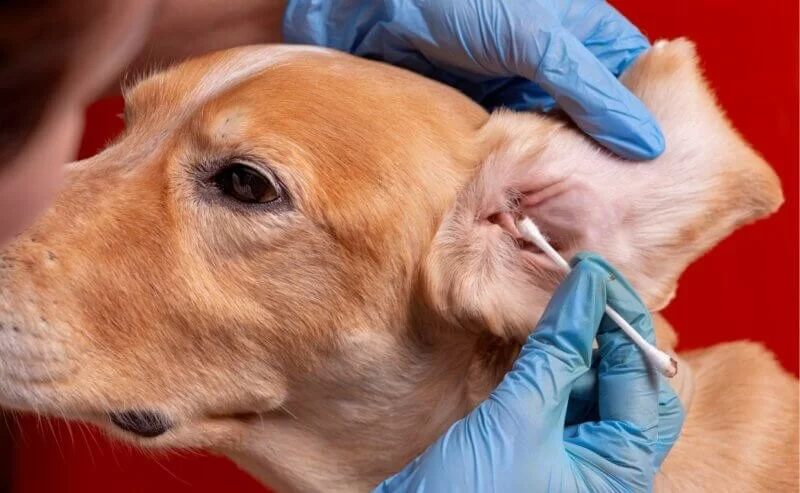
Treatment often includes medicated ear drops, topical treatments, or systemic medications depending on the severity. Cleaning the ears safely may also be recommended, but only under veterinary instruction.
It is important to treat all pets in the household if advised, even if they show no symptoms, to prevent reinfestation.
Preventing Recurrence and Supporting Recovery
Recovery from ear mites is usually quick when treatment is started early. Most pets show noticeable improvement within days, with full resolution occurring over several weeks.
Long-term prevention strategies
Preventive care includes routine ear checks, regular veterinary visits, and limiting contact with untreated animals. Many pet owners report that once they understand ear mites, future prevention becomes much easier.
Knowing how to recognize and treat pet ear mites gives owners the confidence to act quickly, reduce discomfort, and protect their pet’s long-term ear health. Prompt attention and professional guidance make a significant difference in outcomes.