- 1-how-to-prevent-fleas-ticks-and-parasites-year-round
- 2-understanding-the-risk-of-fleas-ticks-and-parasites
- 3-year-round-prevention-methods
- 4-top-products-to-keep-fleas-and-ticks-at-bay
- 5-common-mistakes-when-preventing-parasites
- 6-when-to-consult-your-veterinarian
- 7-visit-hidden-brook-veterinary-for-parasite-prevention
1. How to Prevent Fleas, Ticks, and Parasites Year-Round
Preventing fleas, ticks, and parasites year-round is essential to keeping your pets healthy and comfortable. These pests can cause serious health issues, including skin infections, Lyme disease, and other illnesses. While the warmer months are often considered peak seasons for flea and tick activity, it's important to recognize that these parasites can be active year-round, especially in certain climates. In this article, we’ll explore effective methods and tips for ensuring your pets are protected from fleas, ticks, and parasites no matter the season.

2. Understanding the Risk of Fleas, Ticks, and Parasites
Fleas, ticks, and other parasites pose a significant risk to pets, and the threat isn’t limited to summer months. Understanding the risks associated with these pests can help you take preventative measures before they cause harm.

2.1 Fleas: A Year-Round Threat
Fleas are one of the most common external parasites, especially for pets that spend time outdoors. Fleas are not just a seasonal problem; they thrive in warm, humid environments, making them active year-round in many areas. Flea infestations can cause itching, hair loss, and skin infections, and they can also lead to tapeworms in pets.
2.2 Ticks: A Danger in Both Warm and Cold Months
Ticks are more than just a summer concern. While they are most active during warm months, they can survive in colder temperatures and are active year-round in certain climates. Ticks can transmit dangerous diseases such as Lyme disease, Rocky Mountain spotted fever, and anaplasmosis, making tick prevention essential for pet health.
2.3 Other Parasites: The Hidden Risks
In addition to fleas and ticks, there are other parasites like heartworms, mites, and ear infections that can affect pets year-round. These parasites often go unnoticed until they cause serious health issues, so regular preventive care is essential.
3. Year-Round Prevention Methods
There are several strategies that can help prevent fleas, ticks, and parasites throughout the year. These include both lifestyle changes and proactive treatment methods. Below are some of the most effective year-round prevention methods for your pets.
3.1 Regular Use of Preventive Medications
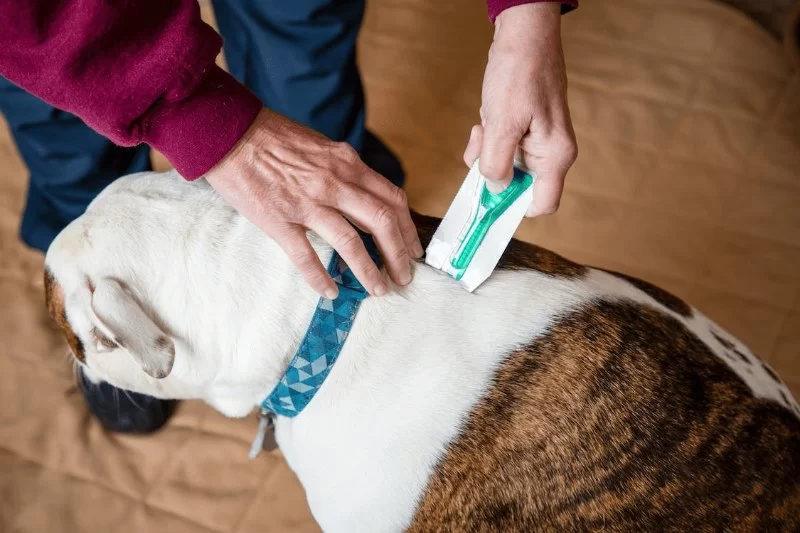
One of the most effective ways to prevent fleas, ticks, and other parasites is through regular use of preventive medications. Many flea and tick treatments are available in the form of topical treatments, oral medications, or collars. These medications work by killing or repelling fleas, ticks, and other parasites before they can cause harm.
3.2 Regular Grooming and Bathing
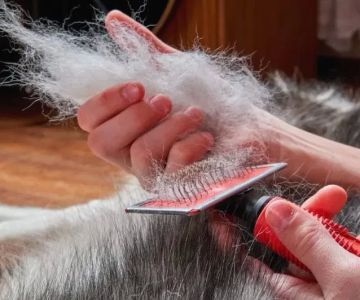
Frequent grooming and bathing can help remove fleas and ticks that might be on your pet's fur. Bathing your pet with a flea and tick shampoo will kill any existing pests, while regular brushing can help spot new infestations early. This is especially important after walks or outdoor play sessions, particularly in areas where ticks are prevalent.
3.3 Keep Your Home and Yard Clean
Keeping your home and yard clean is an essential step in parasite prevention. Fleas and ticks often live in yard grass or underbrush, and they can easily jump onto your pet when they go outside. Regularly mowing the lawn, removing weeds, and cleaning your pet’s bedding can help minimize exposure. You can also treat your home and yard with safe, pet-friendly pest control products to prevent infestations.
4. Top Products to Keep Fleas and Ticks at Bay
There are many products on the market designed to protect pets from fleas, ticks, and other parasites. Below are some of the top products recommended by veterinarians for year-round parasite prevention:
4.1 Spot-On Treatments
Spot-on treatments are one of the most popular methods for preventing fleas and ticks. These treatments are applied directly to the skin and are absorbed into the pet’s bloodstream, where they kill pests. Popular brands like Frontline, Advantage, and Revolution offer reliable options for year-round use.
4.2 Oral Medications
Oral medications, like NexGard and Bravecto, are another effective option. These medications are usually given once a month and work by killing fleas and ticks before they can lay eggs. Oral treatments are great for pets that don’t like topical solutions and can be given easily with food.
4.3 Flea and Tick Collars
Flea and tick collars, such as the Seresto collar, provide long-lasting protection against fleas and ticks. These collars release insect-repelling chemicals over time, providing a consistent level of protection for several months. They are easy to use and can be worn continuously.
5. Common Mistakes When Preventing Parasites
While preventing fleas, ticks, and parasites year-round is essential, there are common mistakes that pet owners often make that can undermine their efforts. Here are a few things to watch out for:
5.1 Skipping Regular Treatments
One of the most common mistakes is failing to administer preventive treatments consistently. It’s important to follow the recommended schedule for medications, whether they are monthly treatments or annual vaccinations, to ensure continuous protection.
5.2 Using Products Not Meant for Pets
Some pet owners may use human insect repellents or treatments that are not safe for pets. Always use products specifically designed for animals, as some ingredients in human products can be harmful or even toxic to pets.
5.3 Overlooking Indoor Flea Infestations
Fleas aren’t only an outdoor problem. Indoor pets can bring fleas inside, so it’s essential to treat both the pets and the environment. Regular cleaning, vacuuming, and treating your home for fleas can help eliminate indoor infestations.
6. When to Consult Your Veterinarian
If you notice that your pet is scratching excessively, losing fur, or exhibiting other signs of a flea or tick infestation, it’s time to consult your veterinarian. They can help identify the problem, recommend the best treatment, and provide advice on keeping your pet protected year-round.
7. Visit Hidden Brook Veterinary for Parasite Prevention
At Hidden Brook Veterinary, we offer a range of services and products designed to keep your pets free from fleas, ticks, and parasites. From regular check-ups to tailored parasite prevention plans, our team of experts is here to help. Visit us today to learn more about how you can protect your pet year-round.