- 1. Why Hydration is Essential for Pets
- 2. Signs of Dehydration in Pets
- 3. Best Ways to Keep Your Pet Hydrated
- 4. Hydration Products for Pets
- 5. How Hidden Brook Veterinary Can Help
1. Why Hydration is Essential for Pets
Just like humans, pets need proper hydration to stay healthy. I first realized how important hydration was for pets when I adopted my dog, Max. He seemed a little lethargic and disinterested in his food one day, and after a quick trip to the vet, it turned out he was dehydrated. Just as dehydration can cause fatigue and sluggishness in humans, it does the same for our pets.
Water is crucial for maintaining your pet’s body temperature, aiding digestion, and keeping their organs functioning properly. In fact, water makes up about 60-70% of a dog’s body weight and about 80% of a cat’s. Without sufficient hydration, pets can face serious health problems, from kidney failure to heat stroke. Keeping your pet well-hydrated isn’t just about giving them water—it’s about ensuring they are comfortable and their body is functioning at its best.

2. Signs of Dehydration in Pets
As a pet owner, it’s important to be vigilant and recognize the signs of dehydration in your furry friend. I learned the hard way that dehydration in pets can be subtle, so I now keep an eye out for these common symptoms:

1. Dry Gums and Nose
One of the easiest ways to check for dehydration is by examining your pet’s gums and nose. If their gums appear dry or sticky, or if their nose feels dry instead of moist, this could be a sign that they’re not getting enough water.
2. Lethargy
When pets are dehydrated, they often become tired and lethargic. My cat, Luna, tends to sleep even more than usual when she’s dehydrated. If you notice that your pet isn’t as active as they normally are, dehydration could be the cause.
3. Loss of Appetite
A dehydrated pet may lose interest in food. This is something I noticed with Max when he wasn’t drinking enough water. He would skip meals, and I had to make sure he was drinking enough before he felt like eating again. If your pet refuses food, hydration should be one of the first things you check.
4. Sunken Eyes
Sunken eyes are another sign of dehydration. It’s more noticeable in pets with lighter fur, but you can usually tell by the overall look of the eyes. If they appear dull or sunken, it may be time to get your pet to the vet.
5. Thick, Sticky Saliva
If you notice that your pet’s saliva is thicker and stickier than normal, it may be due to dehydration. The lack of moisture can cause saliva to become less watery, which can be uncomfortable for your pet.
3. Best Ways to Keep Your Pet Hydrated
Now that you understand why hydration is important and how to spot the signs of dehydration, let’s dive into the best ways to ensure your pet stays hydrated. Over the years, I’ve learned some practical tips and strategies to keep my pets healthy and well-hydrated:
1. Provide Fresh Water at All Times
The simplest way to keep your pet hydrated is by ensuring they always have access to clean, fresh water. I make sure to refill Max’s water bowl multiple times a day and place water bowls in several locations around the house, especially if I’m away for an extended period. Cats are notorious for drinking less water, so I keep an extra bowl of water near their food area to encourage them to drink more.
2. Add Wet Food to Their Diet
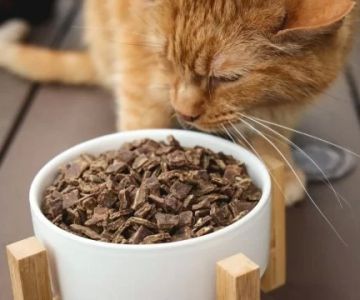
Adding wet food to your pet’s diet can be a great way to increase their water intake. Wet food typically contains a significant amount of moisture—around 70-80% of its content. I’ve noticed that Luna enjoys her meals much more when I mix in wet food with her dry kibble. It not only helps her stay hydrated but also adds variety to her diet.
3. Use a Pet Water Fountain
Pet water fountains have been a game-changer for Max. He used to drink very little from his bowl, but after I got him a water fountain, he started drinking more frequently. The constant flow of fresh water appeals to pets’ natural instincts, and many pets find it more enticing than still water in a bowl.
4. Freeze Water in Ice Cubes
During the summer months, I like to make ice cubes for Max by freezing small pieces of fruit, like berries, in the cubes. These not only encourage him to drink water but also provide a cool treat on hot days. Cats can enjoy this too, especially if you use tuna water or chicken broth to make the ice cubes. It’s a fun way to keep hydration exciting!
5. Offer Electrolyte Drinks
If your pet is extremely dehydrated or recovering from illness, offering electrolyte drinks specifically designed for pets can be helpful. I always keep electrolyte solutions on hand for emergencies. These can help restore essential minerals and fluid balance if your pet is significantly dehydrated.
4. Hydration Products for Pets
When it comes to keeping your pet hydrated, several products can help make hydration easier. Over the years, I’ve found some great options that have worked wonders for Max and Luna:
1. Pet Water Bottles
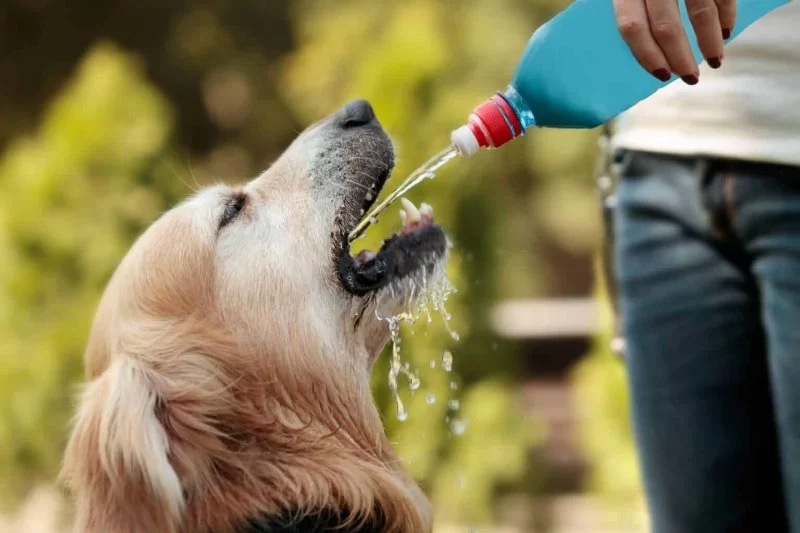
Pet water bottles are perfect for road trips or hikes, especially when you're on the go. These bottles typically come with a built-in bowl for easy drinking. I use these bottles during our outdoor adventures to ensure Max always has access to water. It’s a convenient way to hydrate your pet when you’re not near home.
2. Hydration Tablets
Hydration tablets can be added to your pet’s water to ensure they get the electrolytes they need. These are especially useful if your pet is recovering from an illness or is an older pet who struggles with hydration. I’ve used these with both of my pets during the summer months to keep them hydrated during hot weather.
5. How Hidden Brook Veterinary Can Help
If you’re unsure whether your pet is getting enough hydration or you have concerns about their health, Hidden Brook Veterinary is a great resource. Our team of experts can provide personalized advice on hydration strategies tailored to your pet’s needs. Whether your pet is recovering from illness or you simply want to prevent dehydration, we can help you create a hydration plan that ensures their health and comfort.