1 - Understanding Sensitive Digestion in Pets
As a pet owner, it can be concerning when your furry friend struggles with digestive issues. Just like humans, pets can have sensitive digestion, which can lead to discomfort, irritability, and an overall lack of enjoyment during mealtime. Sensitive digestion in pets can manifest in various ways, including vomiting, diarrhea, gas, and even changes in appetite. It’s important to understand the underlying causes of these issues to ensure that your pet’s digestive health is well taken care of.
Sensitive digestion in pets can be caused by a variety of factors. Some pets have naturally sensitive stomachs, while others may develop digestive issues due to food intolerances, allergies, or even stress. Certain breeds are more prone to these problems, and older pets may also experience a decline in digestive health. It’s essential to pay attention to your pet's eating habits and look out for signs of digestive discomfort, as these can impact their overall well-being.

2 - Signs Your Pet Might Have Digestive Issues
Knowing the signs of digestive issues in pets is the first step toward helping them. If your pet experiences any of the following symptoms, it may indicate that they have a sensitive stomach or other digestive concerns:
- Vomiting: Frequent vomiting, especially after meals, can be a sign that your pet's stomach is struggling to process food.
- Diarrhea or soft stool: Changes in stool consistency, such as loose or watery stools, are common signs of digestive upset.
- Loss of appetite: If your pet suddenly loses interest in food or refuses to eat, it could be due to digestive discomfort.
- Excessive gas: Pets with digestive issues may experience increased flatulence or bloating after meals.
- Behavioral changes: Pets who experience stomach pain may become more irritable, lethargic, or show signs of distress after eating.
If you notice any of these signs, it's important to consult with a veterinarian to rule out any serious conditions. A proper diagnosis will help you find the best solution to make mealtime more enjoyable for your pet.

3 - How to Improve Mealtime for Pets with Sensitive Digestion
Once you have identified that your pet has sensitive digestion, there are several steps you can take to make mealtime more enjoyable and comfortable for them. Here are some practical tips to help improve your pet’s digestive health:
3.1 - Choose the Right Food
The first and most important step in supporting your pet’s digestive health is selecting the right food. Pets with sensitive digestion benefit from high-quality, easily digestible foods. Look for pet food that is specifically formulated for sensitive stomachs. These foods often contain lean proteins, such as chicken or turkey, and are free from artificial additives that can irritate your pet’s digestive system.
Additionally, consider food that contains prebiotics and probiotics. Prebiotics help promote the growth of beneficial gut bacteria, while probiotics can aid in the digestion process and help balance your pet's gut health. Foods with these ingredients are often gentler on pets’ stomachs and can reduce the frequency of digestive issues.
3.2 - Divide Meals into Smaller Portions
Large meals can be overwhelming for pets with sensitive stomachs. Instead of feeding your pet one or two large meals a day, try splitting their meals into smaller, more frequent portions. This can help reduce the strain on their digestive system, making it easier for their stomachs to process the food. Smaller meals can also help reduce bloating and gas after eating.
3.3 - Avoid Table Scraps and Human Food
While it can be tempting to share your food with your pet, many human foods can cause digestive upset in pets. Foods like chocolate, onions, garlic, and spicy items can be harmful to pets and should be avoided at all costs. Even safe human foods, such as fatty cuts of meat or dairy, can upset your pet's stomach.
If you want to treat your pet, stick to pet-safe snacks and avoid feeding them table scraps. There are plenty of healthy, pet-friendly treats available that will not irritate their digestive system.
3.4 - Introduce New Foods Gradually
If you decide to switch your pet's food, it’s important to introduce the new food gradually. Sudden changes in diet can upset their digestive system and cause symptoms like vomiting or diarrhea. To avoid this, mix the new food with their current food over a period of about 7–10 days, gradually increasing the amount of new food while decreasing the old food.
4 - Case Study: How We Helped My Dog with Sensitive Digestion
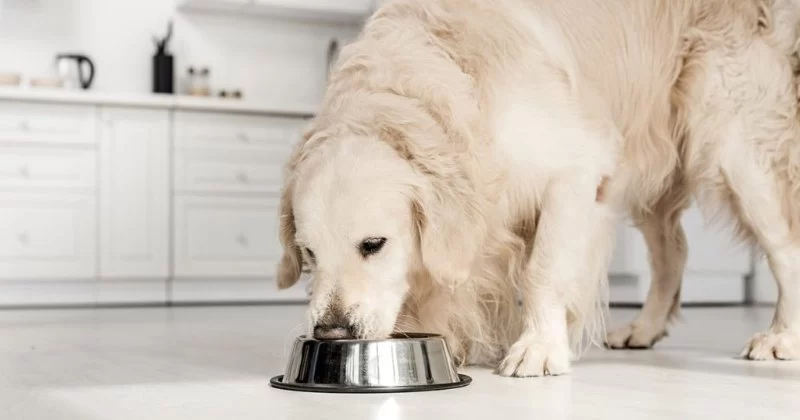
When I first adopted my dog Max, he struggled with digestive issues from the very start. He often had loose stools, and after every meal, he would seem lethargic and uncomfortable. I knew something was wrong, so I took him to the vet, where we discovered that he had a sensitive stomach and was struggling to process regular commercial dog food.
Following the vet’s advice, I switched Max to a high-quality, easily digestible food designed for sensitive digestion. We also started feeding him smaller meals throughout the day, and I made sure to avoid giving him any human food or treats. After a few weeks, Max’s digestion significantly improved. His stools became more consistent, and he was much more energetic after mealtime. The changes we made to his diet truly made a world of difference, and Max was able to enjoy his meals again without discomfort.
5 - Helpful Products for Pets with Sensitive Digestion
If your pet suffers from sensitive digestion, there are a variety of products available that can help improve their digestive health. Some products to consider include:
- Digestive supplements: These can help support healthy digestion and alleviate symptoms like bloating or gas. Probiotics, enzymes, and fiber supplements are commonly used to promote digestive health in pets.
- Sensitive stomach pet food: As mentioned earlier, choosing food that is specifically formulated for pets with sensitive digestion is essential. These foods typically contain easily digestible proteins and minimal ingredients to avoid irritation.
- Interactive feeders: Slow-feed bowls and puzzle feeders can help slow down your pet’s eating, reducing the risk of stomach discomfort caused by eating too quickly.
If you're looking for quality products to help manage your pet’s sensitive digestion, I recommend checking out Hidden Brook Veterinary. They offer a wide range of specially formulated foods and supplements that can make a big difference for pets with sensitive stomachs.