- pet-mobility-after-injury
- helping-pets-walk-after-injury
- pet-injury-rehabilitation-tips
- improving-pet-mobility-after-injury
- recovery-for-pets-after-injury
1. Understanding the Importance of Pet Mobility After Injury
When a pet suffers an injury, one of the most critical aspects of their recovery is regaining mobility. Whether it’s a broken leg, a sprained muscle, or even after surgery, pets need time, care, and support to return to their normal activities. Understanding the importance of mobility recovery is key in ensuring your pet’s quality of life is restored.
Injuries can significantly impact your pet’s daily routines, such as walking, climbing stairs, or even sitting comfortably. Therefore, it’s essential to not only address the injury but also to focus on rehabilitation and support techniques that aid in regaining movement.
2. Helping Your Pet Walk After Injury
After an injury, some pets may struggle to walk or bear weight on the injured limb. Here’s how you can help:
- Provide a Safe and Comfortable Environment: Make sure your pet has a space that minimizes the risk of further injury. Keep floors non-slippery and provide ramps or steps for easier access to furniture.
- Assist with Walking: If your pet is having trouble walking, use a harness or leash to guide them gently. This can help support their weight while they relearn how to walk. For dogs, there are also specialized mobility aids like dog wheelchairs.
- Gradual Exercise: It’s essential to start with short, low-impact walks. Overexertion can slow down recovery, so give your pet plenty of breaks and monitor their progress.
3. Rehabilitation Techniques for Pets
Rehabilitation plays a key role in restoring your pet’s mobility after an injury. Depending on the severity of the injury, various methods can be incorporated to speed up recovery:
- Physical Therapy: Just like humans, pets benefit from physical therapy. Techniques like massage, range-of-motion exercises, and hydrotherapy can help improve muscle strength and flexibility. Professional pet physiotherapists can guide you through the best exercises for your pet’s injury.
- Laser Therapy: Low-level laser therapy (LLLT) can help reduce pain, inflammation, and improve tissue repair, speeding up the recovery process.
- Acupuncture: Some pet owners find acupuncture to be an effective treatment option to reduce pain and improve mobility in pets recovering from injuries.
4. Improving Mobility Through Nutrition and Supplements
Proper nutrition and supplements can make a significant difference in your pet’s recovery process. Providing a balanced diet ensures that your pet gets the nutrients they need to heal and regain strength. Here are some tips to improve mobility through nutrition:
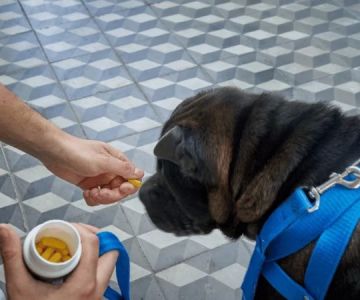
- Joint Supplements: Glucosamine and chondroitin supplements are often recommended for pets with joint injuries. These supplements help rebuild cartilage and lubricate the joints, improving mobility.
- Anti-Inflammatory Foods: Adding anti-inflammatory foods such as fish oil or turmeric can help reduce swelling and promote faster recovery.
- Weight Management: Keeping your pet at a healthy weight is essential for recovery. Excess weight can place additional strain on injured joints, prolonging the healing process.
5. Recovery for Pets: Signs of Progress and When to Seek Help
It’s important to monitor your pet’s progress as they recover. Here are some signs that indicate your pet is improving:
- Increased movement and weight-bearing on the injured limb.
- Reduced swelling and pain when touched.
- Resumption of normal behavior, such as playing or walking at their usual pace.
However, if your pet shows signs of prolonged pain, refuses to walk, or the injury doesn’t seem to be healing, it’s important to consult with your vet. They may need a reassessment, and additional treatment options could be recommended.
At Hidden Brook Veterinary, we offer expert advice and treatment for pets recovering from injuries. If you're unsure how to manage your pet's injury recovery, don’t hesitate to get in touch with us.