1. Common Symptoms of Cat Urinary Problems
1.1 Behavioral Clues
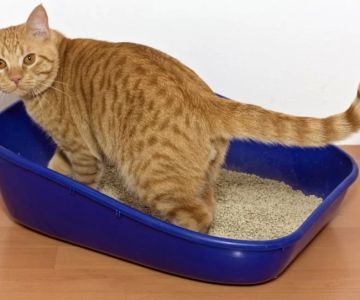
Cats with urinary issues often visit the litter box frequently but produce little urine. Owners may notice straining, crying, or attempts to urinate outside the litter box.

1.2 Physical Indicators
Blood in the urine, strong odors, or excessive licking of the genital area are also red flags. Early recognition of these symptoms can prevent serious complications.
2. Understanding the Causes of Urinary Issues in Cats
2.1 Dietary Factors
Diets high in certain minerals can contribute to crystal formation in the bladder. Cats fed only dry food may also be at higher risk due to low water intake.

2.2 Stress and Environment
Environmental stressors—like moving, introducing new pets, or changes in household routine—can trigger urinary problems such as feline idiopathic cystitis (FIC).
2.3 Infections and Medical Conditions
Bacterial urinary tract infections, though less common in young cats, may occur in older cats or those with weakened immune systems.
3. Recognizing Serious Urinary Conditions in Cats
3.1 Urinary Blockage
Blockages, more common in male cats, can quickly become life-threatening. If your cat is straining without producing urine, it’s an emergency requiring immediate veterinary care.
3.2 Bladder Stones
Bladder stones may form from mineral imbalances, causing pain and recurrent infections. Veterinary diagnostics such as X-rays or ultrasounds often confirm their presence.
4. Home Care Tips for Cats with Urinary Problems
4.1 Hydration
Encouraging water intake with fountains or wet food can help dilute urine and reduce risks. Cats often prefer moving water, making fountains a practical solution.
4.2 Litter Box Management
A clean, stress-free litter box environment reduces anxiety that could trigger urinary issues. Providing multiple boxes in multi-cat households is essential.
5. Veterinary Treatment and Professional Care
5.1 Diagnostic Steps
Veterinarians may conduct urinalysis, blood tests, or imaging to determine the root cause. Each test provides critical insights into the best treatment approach.
5.2 Medical and Surgical Interventions
Treatment may include antibiotics, special diets, or even surgery in severe cases. Professional care ensures tailored solutions that safeguard a cat’s health.
6. Real-Life Stories and Case Insights
6.1 Case of a Young Male Cat
One owner shared the story of their two-year-old male cat who developed a urinary blockage. Immediate veterinary intervention saved his life, and a prescription diet kept him healthy long-term.
6.2 Lessons Learned
These stories highlight how quick action and consistent care are vital. Owners often become more attentive to subtle signs after experiencing such cases firsthand.
7. Prevention Strategies and Lifestyle Adjustments
7.1 Stress Reduction
Interactive toys, scratching posts, and safe spaces reduce feline stress, lowering the risk of idiopathic urinary problems.
7.2 Long-Term Diet Management
Specialized urinary care diets help prevent recurrence. Balanced moisture-rich food supports a healthier urinary tract overall.