- 1 - Introduction to Leash Training
- 2 - Common Reasons Dogs Pull on Leash
- 3 - Effective Leash Training Techniques
- 4 - Mistakes to Avoid in Leash Training
- 5 - Benefits of Leash Training
- 6 - Real-Life Case Studies
1. Introduction to Leash Training
Leash training is an essential skill every dog owner should master. If you’ve ever taken your dog for a walk only to be pulled and tugged in every direction, you know how frustrating it can be. Whether you're a first-time dog owner or have a few dogs under your belt, effective leash training is key to enjoyable and safe walks.
Leash training, when done correctly, ensures that your dog learns how to walk calmly by your side without dragging you along. It’s not only about teaching your dog good behavior but also about strengthening the bond between you and your dog. In 2025, many pet owners are looking for ways to improve their walking experience with their dogs, especially as we continue to embrace positive reinforcement techniques.
This article will guide you through essential leash training tips, common mistakes to avoid, and provide practical advice for stopping pulling and tugging. We'll explore why this behavior occurs, how to correct it, and the benefits of a well-trained leash walk for both you and your dog.

1946 S Christopher Columbus Blvd, Philadelphia, PA 19148, USA
See Details2. Common Reasons Dogs Pull on Leash
Understanding why your dog pulls on the leash is the first step in addressing the behavior. Dogs pull for various reasons, and knowing the cause can help you correct it effectively. Below are some of the most common reasons dogs pull on the leash:
- Excitement: Many dogs pull because they are excited about going on a walk and want to explore. This excitement can make it difficult for them to walk calmly by your side.
- Leash Training Gaps: If your dog has not been properly trained to walk on a leash, they may not understand the expectations and will naturally pull towards things that interest them.
- Lack of Exercise: Dogs that do not receive enough physical or mental stimulation may pull on the leash out of pent-up energy or frustration.
- Curiosity: Dogs are naturally curious creatures. They may pull to get closer to interesting smells, sights, or sounds that they want to investigate.
Addressing the root cause of the pulling behavior will make it easier to implement successful training techniques. Understanding your dog’s motivations will also help you approach training with patience and consistency.

3. Effective Leash Training Techniques
Leash training doesn’t have to be a battle. By using the right techniques, you can teach your dog how to walk calmly on the leash. Here are some effective leash training methods that can help you stop the pulling and tugging:
1. Positive Reinforcement
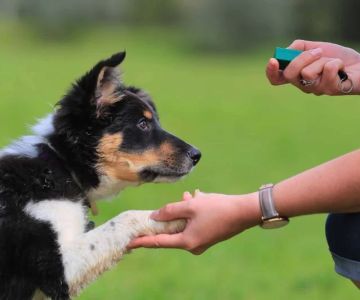
One of the most effective training techniques is positive reinforcement. Rewarding your dog when they walk calmly on the leash reinforces good behavior. This can be done with treats, praise, or toys. Every time your dog walks without pulling, give them a reward to encourage this behavior. Positive reinforcement helps your dog associate walking calmly with something positive, making them more likely to repeat the behavior.
2. Stop and Go Method
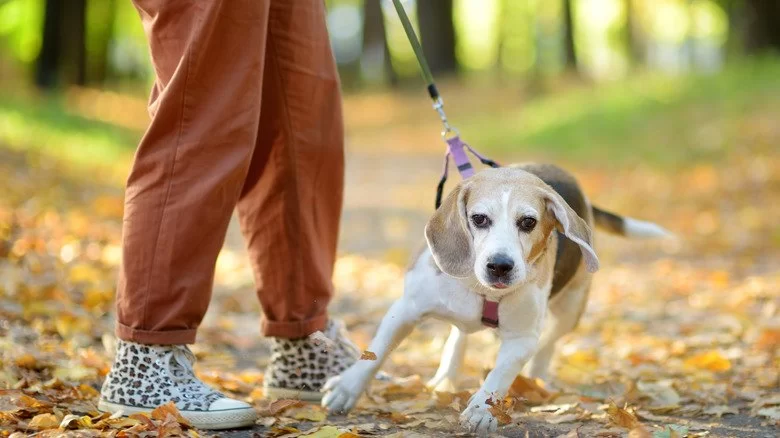
The stop and go method is a technique that teaches your dog that pulling will not get them anywhere. If your dog starts pulling, stop walking immediately. Wait for them to calm down and return to your side before you continue walking. This teaches your dog that pulling will only slow them down, and walking calmly gets them what they want.
3. The “Loose Leash” Technique
The loose leash technique involves holding the leash loosely in your hand, allowing the dog to walk naturally beside you. If the leash becomes taut, stop walking and wait until the leash loosens before continuing. This teaches your dog that pulling results in no progress, while a relaxed leash means a rewarding walk.
4. Using a No-Pull Harness
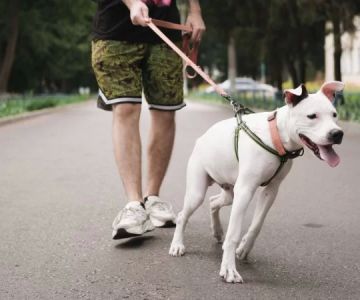
If your dog continues to pull despite consistent training, you may consider using a no-pull harness. These harnesses are designed to discourage pulling by redirecting the dog’s attention or applying gentle pressure to discourage forward movement. While not a replacement for training, a no-pull harness can provide immediate relief and help make walks more enjoyable.
4. Mistakes to Avoid in Leash Training
Leash training can take time and consistency, but some common mistakes can derail the process. Here are some key mistakes to avoid:
- Using punishment: Leash training should be about positive reinforcement. Avoid punishing your dog for pulling, as this can create fear and confusion. Instead, focus on rewarding good behavior.
- Inconsistency: Inconsistent training can confuse your dog. Be sure to practice regularly and consistently with the same commands and rewards. Everyone in the household should be on the same page when it comes to training.
- Walking too fast: If you’re rushing through your walk, your dog may feel the need to pull to keep up. Make sure to pace yourself and give your dog enough time to explore at a comfortable pace.
- Not enough exercise: Dogs with excess energy are more likely to pull on the leash. Make sure your dog is getting enough physical and mental stimulation outside of their walks.
5. Benefits of Leash Training
Proper leash training offers numerous benefits, not just for you, but for your dog as well:
- Improved safety: Walking your dog without pulling reduces the risk of accidents, such as tripping or running into traffic.
- Better bond: Successful leash training builds a stronger bond between you and your dog, as it promotes communication and trust.
- Enjoyable walks: With proper leash training, you can enjoy peaceful walks without the stress of pulling or tugging.
- Socialization: Walking calmly on a leash makes it easier for your dog to socialize with other dogs and people, which is essential for their overall development.
6. Real-Life Case Studies
Real-life examples often provide the best insight into the success of leash training. Take the case of a Golden Retriever named Daisy. Daisy’s owner struggled with her pulling during walks, which was becoming a safety issue. After several training sessions using positive reinforcement and the stop-and-go method, Daisy learned to walk calmly by her owner’s side. Today, Daisy’s walks are peaceful and enjoyable for both her and her owner.
Another example involves a puppy named Buddy. Buddy’s owners started leash training early on, using a no-pull harness and reward-based techniques. Within weeks, Buddy was walking on a loose leash without pulling, thanks to consistent training and patience. These stories show that with the right techniques, any dog can learn to walk politely on a leash.