- 1 - Understanding Why Dogs Pull on the Leash
- 2 - The Importance of Choosing the Right Gear
- 3 - Positive Reinforcement Training Methods
- 4 - Using the Stop-and-Go Technique
- 5 - Redirecting Attention with Commands
- 6 - Why Short Training Sessions Work Best
- 7 - Managing Social Distractions During Walks
- 8 - Real-Life Stories from Pet Parents
- 9 - Expert Insights on Building Long-Term Success
- 10 - How to Make Walks Enjoyable for Both Dog and Owner
1. Understanding Why Dogs Pull on the Leash
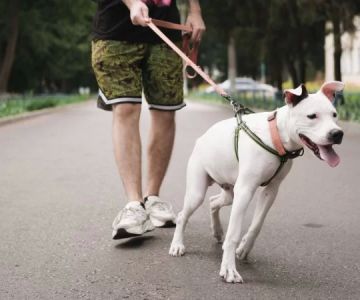
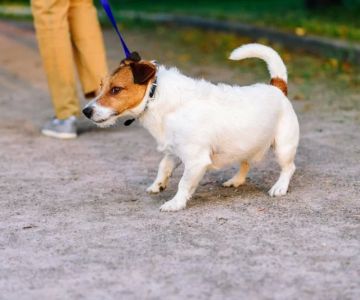
Dogs often pull because they are excited, curious, or naturally walking at a faster pace than humans. Puppies especially have boundless energy and want to explore everything. Recognizing the cause of pulling helps pet parents tailor their training approach rather than assuming it's defiance.

2. The Importance of Choosing the Right Gear
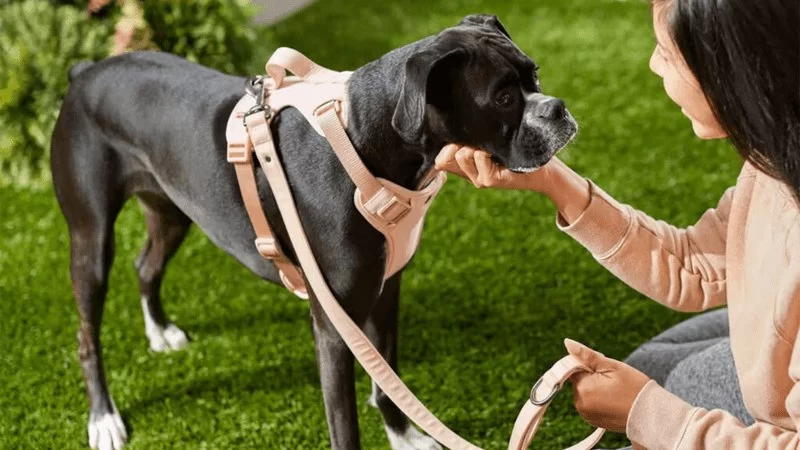
Experts recommend using harnesses designed for training rather than choke chains or retractable leashes. A front-clip harness, for example, gives more control while reducing strain on the dog’s neck. At Hidden Brook Veterinary, specialists often suggest gear adjustments as the first step in leash training success.
3. Positive Reinforcement Training Methods
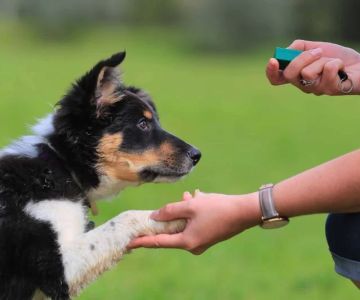
Rewarding calm walking with treats, verbal praise, or toys is more effective than punishment. One pet parent shared that after switching to positive reinforcement, their German Shepherd began walking calmly within weeks. Consistency and timing are critical—rewarding the exact moment your dog stops pulling reinforces the desired behavior.
4. Using the Stop-and-Go Technique
The stop-and-go method involves halting every time the dog pulls and only moving forward once the leash is slack. This teaches dogs that pulling delays progress. Though it requires patience, this method is widely praised by trainers for building long-term walking discipline.
5. Redirecting Attention with Commands
Teaching commands like “watch me” or “heel” helps redirect the dog’s focus back to the owner. Carrying high-value treats or a favorite toy can make this strategy more effective, particularly in environments filled with distractions like other dogs or wildlife.
6. Why Short Training Sessions Work Best
Dogs learn best in focused, short bursts rather than hour-long sessions. Five to ten minutes of structured training before a casual walk can prevent frustration for both owner and pet. Over time, these short lessons build lasting habits.
7. Managing Social Distractions During Walks
Meeting other dogs or people is a major trigger for leash pulling. Experts recommend gradually introducing these situations, rewarding calm behavior, and practicing distance control until the dog can calmly greet or ignore distractions.
8. Real-Life Stories from Pet Parents
One owner described how their Beagle pulled relentlessly until they applied a mix of positive reinforcement and the stop-and-go technique. Within two months, walks became enjoyable, and their bond with their dog strengthened. Stories like these highlight that persistence pays off.
9. Expert Insights on Building Long-Term Success
Veterinarians and trainers agree that leash training isn’t a one-time event but an ongoing process. Building trust, practicing daily, and adjusting strategies as the dog matures ensure that leash manners last a lifetime. Experts caution against shortcuts that promise instant results, as these often backfire.
10. How to Make Walks Enjoyable for Both Dog and Owner
The ultimate goal of leash training is a relaxed and enjoyable walk. Incorporating games, varying routes, and allowing sniff breaks keeps walks engaging for dogs. When owners feel less stressed about pulling, walks become a bonding activity rather than a chore.