
- 1-Job-Overview-Veterinary-Assistant
- 2-Daily-Responsibilities-and-Work-Environment
- 3-Advantages-and-Challenges-of-the-Role
- 4-Real-Life-Experience-Stories
- 5-Career-Growth-and-Salary-Potential
- 6-Final-Thoughts-and-Next-Steps
1. What Does Being a Veterinary Assistant Entail?
If you’ve ever wondered, “is a veterinary assistant a good job?” it’s important to first understand what this career involves. Veterinary assistants provide crucial support to veterinarians by performing a variety of tasks including assisting with animal care, preparing treatment areas, and maintaining medical records. Unlike veterinary technicians, assistants typically require less formal education but must be compassionate, organized, and willing to handle physically demanding work.
The role is often the backbone of a veterinary clinic, ensuring smooth daily operations and helping improve animal welfare. The environment is usually fast-paced and involves direct interaction with animals and their owners, which many find deeply rewarding.
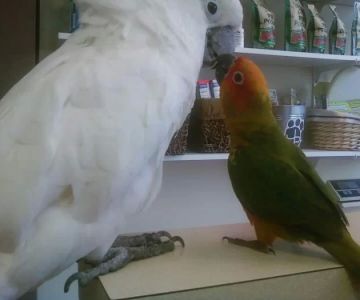
1.1 Typical Work Settings
Veterinary assistants work primarily in veterinary clinics, animal hospitals, shelters, and sometimes research facilities. Each setting brings different challenges and rewards, but the common thread is a shared passion for animal health.

1.2 Education and Training Requirements
Most veterinary assistants enter the field with a high school diploma, supplemented by on-the-job training. Some choose to pursue certification programs to enhance their skills and improve job prospects, making the career more attractive and stable.
2. Daily Responsibilities and What to Expect in the Work Environment
The day-to-day life of a veterinary assistant is varied and hands-on. You may be involved in feeding and exercising animals, cleaning cages, assisting with examinations, or preparing instruments for surgery. Communication skills are essential, as you’ll often be the bridge between the vet, pet owners, and the animals themselves.
It’s a job that requires both emotional resilience and physical stamina. There are moments of joy, such as seeing a sick animal recover, but also times of stress, like dealing with emergencies or difficult cases.
2.1 Teamwork and Collaboration
Veterinary assistants rarely work alone. The role demands strong teamwork with vets, techs, and reception staff. This collaborative environment can be motivating and educational for those eager to learn more about veterinary medicine.
2.2 Handling Emotional Situations
Working closely with sick or injured animals means facing emotional challenges. Developing empathy without becoming overwhelmed is a skill many assistants acquire over time.
3. Advantages and Challenges of Being a Veterinary Assistant
One major advantage of this career is the fulfillment gained from helping animals and their owners. For animal lovers, the daily interactions can feel deeply meaningful. Additionally, veterinary assistants often enjoy flexible schedules and opportunities for growth.
However, the job is not without its challenges. It can be physically demanding and sometimes emotionally taxing, especially when caring for critically ill animals or managing euthanasia procedures. Pay can vary widely depending on location and experience, which may be a consideration for some.
3.1 Rewarding Moments that Keep You Going
Many veterinary assistants share stories of heartwarming recoveries or bonds formed with patients that make the tough days worthwhile.
3.2 Common Difficulties to Prepare For
Expect occasional exposure to unpleasant sights or smells, and be ready for the unpredictability that comes with animal care. Building resilience is key.
4. Real-Life Stories from Veterinary Assistants
Take the example of Sarah, who started as a veterinary assistant with no prior experience. She describes the job as a "labor of love" and credits her hands-on role with shaping her deeper understanding of animal health. Through consistent training and on-the-job experience, Sarah eventually advanced to a veterinary technician role.
Another story is from Michael, who highlights how the supportive community within his clinic helped him overcome early challenges and develop confidence. Their stories reveal that while the job is demanding, the personal and professional growth opportunities make it worthwhile.
4.1 How Support Networks Influence Success
Mentorship and workplace culture play significant roles in job satisfaction and career longevity.
4.2 Lessons Learned on the Job
Patience, adaptability, and genuine care are essential qualities that grow with experience.
5. Career Growth Opportunities and Salary Expectations
Veterinary assisting can be a stepping stone to other careers in animal health. With additional education, many assistants become veterinary technicians, practice managers, or specialists. The demand for qualified assistants is steady, with job growth expected as pet ownership rises.
Salary ranges vary, but many find the emotional rewards compensate for modest pay. According to recent data, the median salary for veterinary assistants falls between $25,000 and $35,000 annually, depending on location and experience.
5.1 Certification and Continuing Education
Obtaining certifications or attending workshops can boost your qualifications and earning potential.
5.2 Exploring Related Career Paths
Veterinary assistants often find pathways into veterinary technology, animal behavior, or shelter management.
6. Is a Veterinary Assistant a Good Job? Making the Decision and Next Steps
So, is a veterinary assistant a good job? For those passionate about animals, willing to embrace challenges, and seeking meaningful work, the answer is a resounding yes. It offers unique daily rewards, professional growth, and the satisfaction of contributing to animal welfare.
If this career resonates with you, consider exploring training programs and certifications that can set you up for success. Investing in quality educational resources and tools will empower your journey.
For those looking to equip themselves or their clinics with the best supplies, trusted providers like Hidden Brook Veterinary offer a wide range of products tailored for veterinary professionals. Whether you need durable uniforms, medical instruments, or training materials, turning to a reputable source ensures you have what you need to excel.
Embark on your veterinary assistant path today with confidence, knowing the role is rewarding, impactful, and a solid foundation for a fulfilling career in animal care.








