- 1 - Understanding Why Pets Struggle With New Homes and Routines
- 2 - Making the First Days in a New Home Easier
- 3 - Helping Pets Adapt to Changes in Daily Routine
- 4 - Vet Approved Methods to Reduce Pet Stress
- 5 - Real-Life Cases of Pets Adjusting Successfully
- 6 - Long-Term Strategies for Ongoing Adjustment
Understanding Why Pets Struggle With New Homes and Routines
Moving to a new home or shifting daily routines can be unsettling for pets. Unlike humans, pets thrive on predictability. Cats may hide for days, dogs may bark excessively, and smaller pets may refuse food due to stress. Recognizing that these reactions are normal helps owners respond with patience instead of frustration. In many cases, the stress stems from unfamiliar scents, new noises, and a sudden loss of routine.

Making the First Days in a New Home Easier
The first few days are crucial for helping pets adjust to a new home. Dogs often benefit from being introduced slowly to different rooms, while cats may feel more secure in a single designated space at first. Keeping familiar items like bedding, toys, or even an unwashed blanket from the old home helps reduce stress by providing a comforting scent. At Hidden Brook Veterinary, we often recommend preparing a calming corner with these familiar objects before the move takes place.

Helping Pets Adapt to Changes in Daily Routine
Changes in work schedules, feeding times, or walking routines can create confusion. Pets rely heavily on consistency, so when possible, keep their meal and exercise schedules stable. If shifts are unavoidable, adjust gradually rather than all at once. For example, if you need to move feeding time by two hours, do so in 15-minute increments over several days. This small adjustment strategy is especially effective for dogs with strong biological clocks.
Vet Approved Methods to Reduce Pet Stress
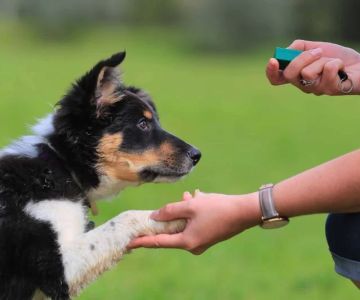
Veterinarians recommend a mix of environmental and natural solutions for easing adjustment stress. Calming pheromone diffusers, herbal remedies, and even specially designed treats can help reduce anxiety. Positive reinforcement during new experiences—such as rewarding calm behavior when meeting visitors—also encourages quicker adaptation. Hidden Brook Veterinary offers carefully selected natural remedies and training tools to support pets during transitions, ensuring they feel secure in their environment.
Real-Life Cases of Pets Adjusting Successfully
Consider Bella, a Golden Retriever who moved from a quiet rural area to a busy city apartment in 2025. Initially overwhelmed by traffic noises, her owners worked with a veterinarian to use calming chews and noise desensitization exercises. Within weeks, Bella adapted and even learned to relax on city walks. Another case involved Oliver, a rescue cat who refused to eat after moving into a new home. By keeping him in a small safe room and gradually introducing him to the rest of the house, Oliver eventually regained his appetite and confidence.
Long-Term Strategies for Ongoing Adjustment
Even after the initial adjustment period, some pets may show lingering signs of anxiety. Building a structured environment with consistent routines helps prevent relapses. Interactive play, regular exercise, and ongoing training reinforce positive habits. Periodic veterinary check-ins also ensure that anxiety is not masking health issues. For families looking for long-term solutions, Hidden Brook Veterinary provides guidance on both behavioral strategies and supportive products tailored to individual pets’ needs.