Understanding Why Your Dog Is Drinking Water But Not Eating Food
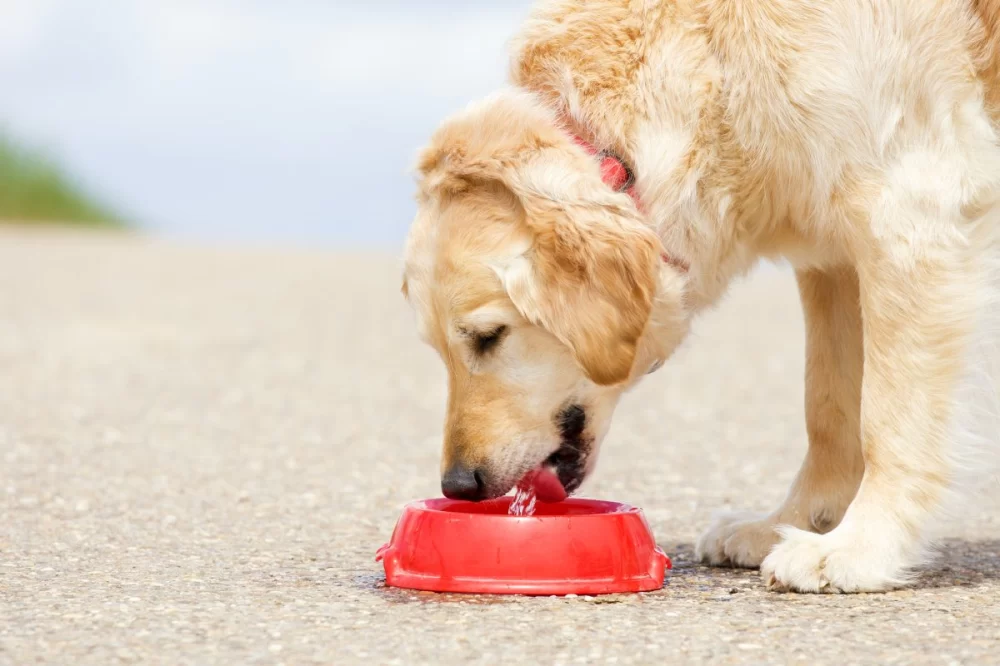
As a dog owner, it’s incredibly concerning to witness your dog drinking water but not eating food. I’ve been through this myself, and the worry can be overwhelming. A dog that refuses food but keeps drinking water might have underlying health issues or behavioral problems. In this article, I will walk you through the possible causes of this issue, share some of my own experiences with it, and provide expert advice on how to address the situation.

Possible Causes of Appetite Loss in Dogs
There are several reasons why your dog might not be eating but still drinking water. Let me take you through the most common causes, based on my research and consultations with vets over the years.
1. Health Issues and Medical Conditions
One of the most common reasons dogs stop eating is due to health problems. Illnesses like infections, gastrointestinal problems, kidney disease, liver disease, or even a simple upset stomach can lead to a decrease in appetite. My own dog, Max, once experienced this when he developed an infection in his digestive tract. He would drink water, but his food bowl remained untouched. After a vet visit and treatment, he regained his appetite.
If your dog is not eating but drinking water, it’s important to observe other symptoms such as lethargy, vomiting, diarrhea, or changes in behavior. These signs may point to a more serious issue that requires veterinary attention. You may want to consult a vet for a thorough check-up.
2. Dental Problems
Dogs, just like humans, can have dental problems that make eating painful. Conditions like periodontal disease, tooth decay, or broken teeth can cause a dog to avoid food. I noticed that my dog, Bella, started refusing kibble but still drank water when her gums became inflamed. After a dental cleaning and treatment, she was back to eating her meals with no issues.
If your dog is showing signs of drooling, pawing at the mouth, or bad breath, it could be time for a dental check-up. Regular dental care is essential for your dog’s overall health and can help prevent appetite loss caused by dental discomfort.
3. Stress and Anxiety
Stress can play a significant role in a dog’s eating habits. Major life changes, such as moving to a new home, the addition of a new pet, or a change in routine, can cause anxiety in dogs. When my family moved a few years ago, our dog Daisy stopped eating for almost a week, but she continued drinking water. She was clearly stressed out by the new environment. After we gave her some time to adjust and introduced calming routines, she started eating again.
If your dog is experiencing a change in environment or routine, give them some time to adjust. However, if the issue persists, you may want to look into stress-reducing solutions such as calming aids or anxiety-reducing techniques, like pheromone diffusers.
4. Picky Eating Habits or Change in Diet
Sometimes dogs just become picky eaters, which can be frustrating for pet owners. My dog, Charlie, once went through a phase where he refused his usual food, but he would drink plenty of water. After trying different food brands and flavors, we realized that he was tired of his regular diet. Switching to a new type of food or mixing it with something delicious like chicken or broth can help entice your dog to eat again.
If you’ve recently changed your dog’s food or feeding schedule, this might also explain their refusal to eat. In such cases, going back to their old food or making gradual transitions is often a good approach.
When to See a Veterinarian
If your dog is consistently refusing food but drinking water, and you’ve ruled out stress or behavioral issues, it’s important to seek professional help. A veterinarian will be able to run tests to determine if there is an underlying medical issue. Early detection can make a significant difference in your dog’s health and recovery.
Signs You Shouldn't Ignore
If your dog shows any of the following symptoms along with not eating, it’s time to schedule a vet visit:
- Vomiting or diarrhea
- Lethargy or decreased energy
- Weight loss
- Signs of pain or discomfort when eating or drinking
- Dehydration (indicating that they may not be drinking enough water despite appearances)
How to Help Your Dog Rebuild Its Appetite
If you’re dealing with a situation where your dog won’t eat but drinks water, there are a few things you can try at home to help stimulate their appetite:
1. Warm the Food
Warming your dog’s food can enhance its smell, which might encourage them to eat. Dogs have a strong sense of smell, and heating their food can make it more appetizing. I found that this simple trick worked wonders for my dog, Max, when he was recovering from an illness and had little interest in his food.
2. Add Tasty Toppings
Sometimes all it takes is a little extra flavor. You can try adding a small amount of low-sodium broth, cooked chicken, or mashed potatoes to your dog’s food. These additions might tempt your dog to eat and help them regain their appetite.
3. Maintain a Regular Feeding Schedule
Keeping a consistent feeding routine can help your dog feel more secure and encourage them to eat. I noticed that sticking to regular meal times and offering food in a quiet, stress-free environment helped my dogs eat better, even during stressful periods.
Conclusion
While it can be distressing to see your dog drinking water but not eating food, there are several potential causes behind this behavior. Whether it’s a medical issue, stress, or picky eating, understanding the root cause is key to solving the problem. By keeping a close eye on your dog’s overall health and consulting a veterinarian if needed, you can help ensure your dog’s well-being and restore their appetite.