
Can You Be a Veterinarian in the Air Force? A Complete Guide
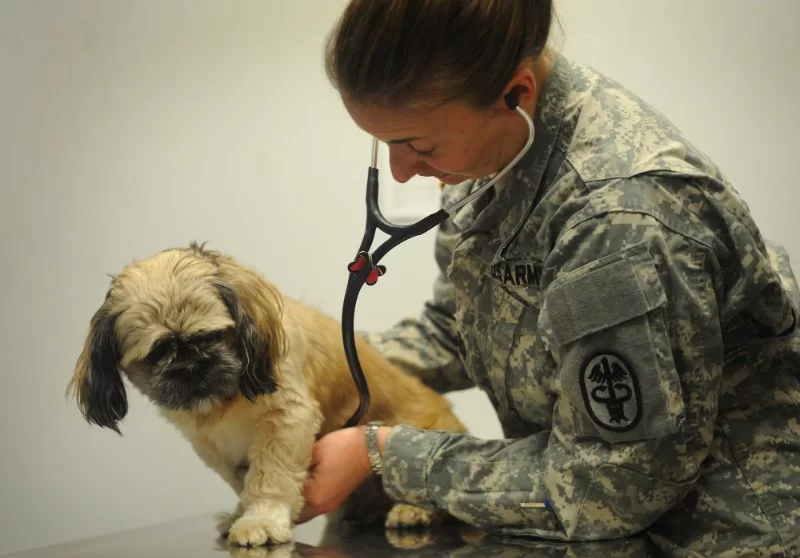
Becoming a veterinarian in the Air Force is a unique and rewarding career path that combines a passion for animal care with the opportunity to serve your country. If you’ve ever wondered, “Can you be a veterinarian in the Air Force?” the answer is yes, and in this article, we’ll explore how to make that dream a reality. We’ll discuss the requirements, training, and the benefits of pursuing a career as a veterinarian in the U.S. Air Force, along with what you can expect along the way.
- 1. What Is a Veterinarian in the Air Force?
- 2. Air Force Veterinary Career Requirements
- 3. Training and Education for Air Force Vets
- 4. Career Opportunities for Veterinarians in the Air Force
- 5. Benefits of Being a Veterinarian in the Air Force
1. What Is a Veterinarian in the Air Force?
Veterinarians in the Air Force play a crucial role in ensuring the health and well-being of military animals. This includes working with military working dogs (MWDs), conducting research related to animal health, and maintaining the health of animals used for various Air Force operations. Air Force veterinarians are part of the U.S. Air Force Medical Service and are essential to the successful functioning of the military’s operations that involve animals.

Veterinary Care for Military Working Dogs
Military working dogs are used for a variety of tasks, such as detection, search and rescue, and security. These dogs require specialized care to ensure they are fit for duty. Air Force veterinarians are responsible for their health, which includes routine check-ups, emergency care, vaccinations, and preventative treatments.

Animal Research and Health Initiatives
In addition to caring for military working dogs, veterinarians in the Air Force are often involved in animal research. This may include studying animal diseases, testing vaccines, or working with other military branches on animal health initiatives. Air Force veterinarians can also play a role in preventing zoonotic diseases, which are diseases that can be transmitted from animals to humans.
2. Air Force Veterinary Career Requirements
Becoming a veterinarian in the Air Force requires meeting certain educational and physical standards. Below are the general requirements for pursuing a veterinary career within the Air Force:
2.1. Education
To become a veterinarian in the Air Force, you must first obtain a Doctor of Veterinary Medicine (DVM) degree from an accredited veterinary school. This typically takes about eight years: four years to complete a bachelor's degree (usually in a science-related field) and four years to complete veterinary school. Additionally, you must pass the North American Veterinary Licensing Examination (NAVLE) to become licensed to practice veterinary medicine.
2.2. Age and Health Requirements
Most Air Force careers, including veterinary positions, have age limits. Applicants typically need to be under the age of 42 to join the Air Force as a veterinarian. Additionally, physical fitness and overall health are crucial, as veterinarians in the Air Force may be required to perform physically demanding tasks and work in challenging environments.
2.3. Training and Commitment
Once accepted, Air Force veterinarians undergo specialized military training, which includes learning about the unique demands of military service. You must be prepared for a career that may involve deployment, relocation, and serving in various locations around the world.
3. Training and Education for Air Force Vets
After completing your DVM and obtaining your license, you will attend the Commissioned Officer Training School (OTS) in order to become a commissioned officer in the Air Force. This training lasts approximately 9 weeks and focuses on leadership, military customs, and operational procedures. Following OTS, you’ll begin working in the veterinary field, with opportunities for additional specialized training as needed.
Advanced Training and Specializations
As a veterinarian in the Air Force, you may have the opportunity to specialize in areas such as veterinary surgery, preventive medicine, or public health. You may also be involved in veterinary research or teaching, depending on the needs of the Air Force and your area of interest.
Deployment Training
Since veterinarians in the Air Force may be deployed to various locations worldwide, deployment training is a key component of their education. This training prepares them to provide medical care in a wide variety of environments, from combat zones to remote bases, ensuring the health of military working dogs and other animals under their care.
4. Career Opportunities for Veterinarians in the Air Force
Veterinarians in the Air Force can have diverse career opportunities, with various roles and responsibilities depending on their interests and expertise. Some of the career paths include:
4.1. Military Working Dog (MWD) Care
Many veterinarians in the Air Force focus on the care of military working dogs. These dogs are essential to many missions, including detection, security, and search and rescue. MWD care involves routine health checks, emergency care, vaccinations, and sometimes even surgery.
4.2. Research and Development
Veterinarians in the Air Force can be involved in research projects, particularly those related to animal diseases, zoonotic diseases, and the development of new treatments or vaccines. This research often contributes to both military operations and the broader veterinary field.
4.3. Public Health and Disease Control
Air Force veterinarians may also be involved in public health initiatives, such as monitoring and controlling diseases that can affect animals and humans. This could include surveillance of animal diseases and ensuring the health of animals that are used in military operations.
5. Benefits of Being a Veterinarian in the Air Force
Being a veterinarian in the Air Force offers many unique benefits that go beyond financial compensation. Some of the key benefits include:
5.1. Job Security and Competitive Salary
As a military veterinarian, you will have job security and a competitive salary, along with health benefits, housing allowances, and retirement options. The pay scale for Air Force veterinarians is on par with other commissioned officers in the military, offering an attractive compensation package.
5.2. Unique Work Environment
Working as a veterinarian in the Air Force offers a unique experience, combining military service with animal care. You'll work in a variety of settings, including bases worldwide, combat zones, and research labs, making it an exciting and dynamic career choice.
5.3. Opportunities for Career Advancement
Veterinarians in the Air Force have opportunities for career advancement, with the chance to take on leadership roles, specialize in certain areas, or move into research positions. The Air Force also offers additional training and education opportunities, allowing you to grow and develop in your career.
If you’re interested in a veterinary career in the Air Force, the first step is to gain the necessary education and qualifications. Visit Hidden Brook Veterinary for more information on veterinary programs and to take the next step in your path to becoming a veterinarian in the Air Force.








