Why is My Dog Not Wagging Its Tail Like Usual?
As a dog owner, there are moments when you notice your furry friend acting a bit different than usual. One of the most concerning changes could be if your dog isn’t wagging its tail like it normally does. A wagging tail is often a sign of happiness, excitement, and friendliness, but when that tail stops moving, it could indicate something is wrong. It’s important to understand the various reasons why your dog may not be wagging its tail as usual and how you can help. Let’s dive into this behavior and explore its potential causes and solutions.

1. Understanding Tail Wagging in Dogs
Before we jump into potential causes, it's crucial to understand why dogs wag their tails in the first place. Tail wagging is a form of communication for dogs. It can express a range of emotions, including happiness, excitement, anxiety, and even frustration. Depending on the speed, direction, and intensity of the wag, your dog may be trying to communicate how they feel. For example, a slow wag might indicate a calm or unsure dog, while a fast, broad wag usually signals excitement or joy. So, when you notice your dog not wagging its tail, it’s often a sign that something is affecting this mode of communication.

2. Health Issues That Could Be Affecting Your Dog’s Tail Wagging
When your dog suddenly stops wagging its tail or appears hesitant to do so, there could be several underlying health problems at play. Here are some common health-related causes that could affect your dog’s tail behavior:
a. Pain or Injury
One of the most common reasons a dog may stop wagging its tail is due to pain or injury. Dogs can suffer from injuries like muscle strains, sprains, or fractures, especially if they’ve had an accident or a fall. If your dog seems to be avoiding movement or is more lethargic than usual, it's possible that it’s experiencing discomfort that prevents tail wagging. Additionally, an injury to the tail itself, such as a sprain or nerve damage, could make it painful for your dog to wag it.
b. Arthritis or Joint Problems
Arthritis is a common issue in older dogs and can significantly impact their mobility. If your dog has arthritis in its back, hips, or tail, it might experience stiffness and discomfort that makes it reluctant to move or wag its tail. The inflammation in the joints can restrict movement, and your dog might show signs of pain when trying to wag its tail.
c. Neurological Issues
Sometimes, neurological conditions can affect a dog’s ability to move certain parts of its body, including the tail. Conditions such as intervertebral disc disease (IVDD) or nerve damage can impact tail movement, leading to a lack of wagging. If your dog’s tail seems limp or unresponsive, a neurological issue could be to blame. This would require prompt veterinary attention to ensure proper diagnosis and treatment.
d. Infection or Inflammation
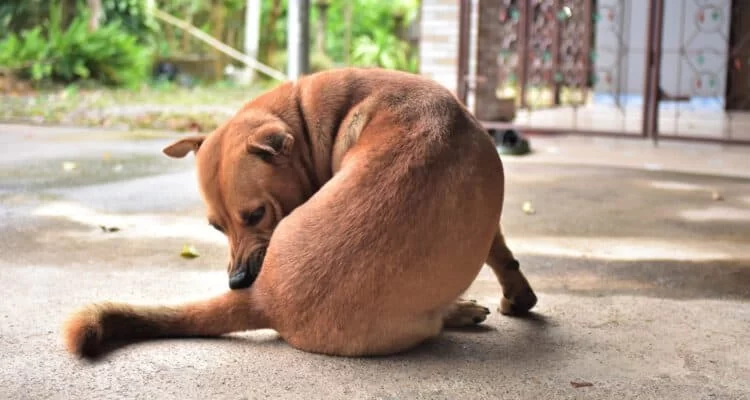
Infections or inflammation in the tail or surrounding areas could also cause your dog to stop wagging its tail. In some cases, abscesses, cuts, or even flea infestations can create enough discomfort for your dog to avoid wagging. If your dog has a visible injury or seems to be constantly licking or chewing its tail, this could be a sign of infection.
3. Emotional and Psychological Factors That Can Affect Tail Wagging
Not all reasons for your dog’s lack of tail wagging are physical. Emotional and psychological factors can also play a significant role. Here are a few non-physical reasons why your dog might not be wagging its tail:
a. Anxiety or Stress
Just like humans, dogs can experience emotional stress and anxiety. Changes in routine, new environments, or loud noises can trigger anxiety in dogs. When a dog is stressed, it may stop wagging its tail and exhibit other signs of distress, such as panting, pacing, or hiding. If your dog has recently encountered a stressful event, this could be the cause of the behavior change.
b. Depression or Sadness
Dogs can suffer from depression, just like humans. If your dog is feeling down or sad, it may not exhibit its usual excitement and energy. A lack of tail wagging can be one of the first signs that your dog is feeling unmotivated or emotionally unwell. Major life changes such as the loss of a companion or owner, moving to a new home, or lack of mental stimulation can contribute to a dog’s emotional health.
c. Fear or Submission
Sometimes, a dog may stop wagging its tail if it’s feeling fearful or submissive. If your dog has encountered a situation where it feels threatened or intimidated, it may respond by becoming still and avoiding tail movement. This is often a survival instinct that signals a dog is in a vulnerable state.
4. What You Can Do to Help
If you’ve noticed that your dog is no longer wagging its tail as usual, it’s important to take action and investigate the underlying cause. Here are some steps you can take:
a. Consult Your Veterinarian
The first step in resolving the issue is to consult with your veterinarian. They can conduct a thorough examination to rule out any physical health issues such as injury, arthritis, or neurological conditions. Your vet may recommend diagnostic tests, such as X-rays or blood work, to get to the root of the problem. Based on the diagnosis, your vet can suggest an appropriate treatment plan, including medication, physical therapy, or surgery if needed.
b. Monitor Your Dog’s Behavior
Keep a close eye on your dog’s behavior and note any other changes. Is your dog eating and drinking normally? Is it engaging in other activities, such as playing or walking? Tracking these changes can help your veterinarian assess whether the cause is physical or emotional. If your dog is displaying signs of stress or anxiety, try to identify potential triggers and work on creating a calm and secure environment.
c. Provide Comfort and Support
If emotional distress is the cause of your dog’s lack of tail wagging, providing comfort and reassurance can help. Spend quality time with your dog, offer plenty of praise, and maintain a consistent routine. If your dog is dealing with anxiety or depression, your vet may suggest specific treatments, such as behavior modification techniques or medication to alleviate stress.
5. When to Be Concerned
While a lack of tail wagging occasionally can be due to temporary discomfort or emotional stress, persistent changes in behavior or signs of pain require more immediate attention. If your dog stops wagging its tail and exhibits other concerning symptoms such as limping, vomiting, or a loss of appetite, it’s essential to seek veterinary care as soon as possible.
Final Thoughts
Noticing that your dog isn’t wagging its tail like usual can be worrying, but it’s important to approach the situation calmly and methodically. By understanding the potential causes—whether physical, emotional, or psychological—you can better address the issue and seek the appropriate help for your dog. Every dog is unique, and their behavior can change for various reasons. However, with the right care and attention, most dogs can return to their happy, wagging selves in no time.