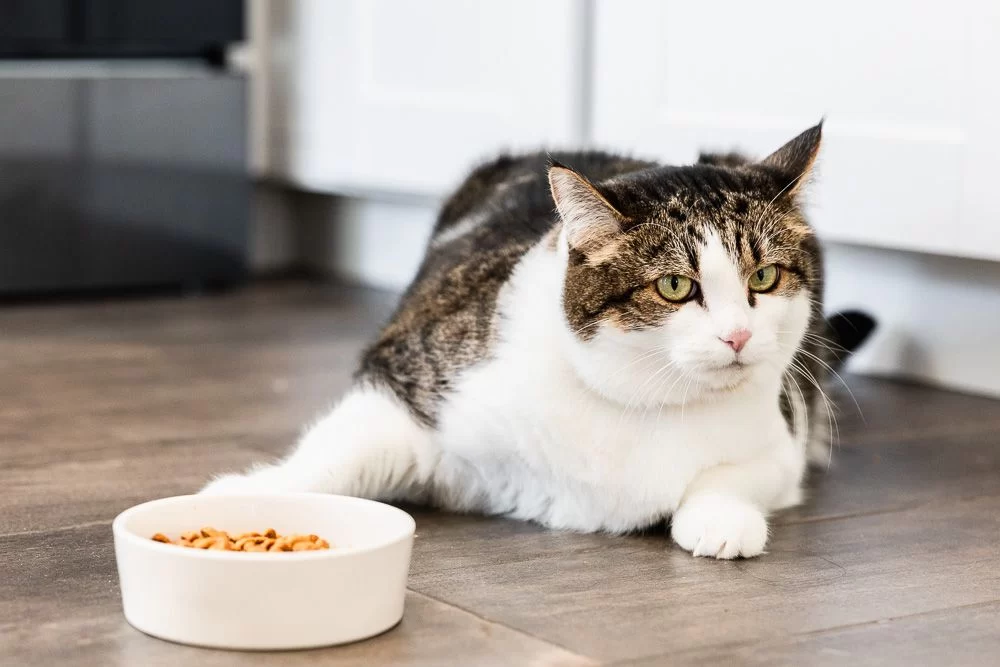
Why Is My Cat Not Eating or Drinking for Days?
If you're a cat owner, you know how concerning it can be when your feline friend refuses to eat or drink for several days. Cats are notorious for hiding their discomfort, so when they stop eating or drinking, it's often a sign that something is wrong. I faced this situation recently with my own cat, Bella, and it left me feeling helpless and worried. But understanding why cats behave this way and what steps you can take to help them is crucial for both your peace of mind and their well-being.
Possible Causes for a Cat Not Eating or Drinking
There are many reasons why a cat may suddenly stop eating or drinking. It’s important to pay attention to other symptoms your cat may be displaying, such as lethargy, vomiting, or behavioral changes. Below are some of the most common causes that could explain Bella's behavior and potentially yours as well.
1. Illness or Pain
One of the most common reasons for a cat to stop eating or drinking is illness or pain. Cats are masters at hiding their discomfort, and a sudden loss of appetite or refusal to drink is often an indication that something is seriously wrong. I learned this the hard way when Bella, my usually energetic cat, refused food for almost two days. After taking her to the vet, I discovered that she had developed a urinary tract infection (UTI), which caused her pain when urinating and affected her appetite.
Urinary tract infections, dental issues, or gastrointestinal problems can all make eating and drinking uncomfortable for a cat. If your cat is avoiding food or water for more than 24 hours, it’s a good idea to consult a veterinarian to rule out any medical conditions.
2. Stress and Environmental Changes
Stress is another major factor that can lead to a cat not eating or drinking. Cats are creatures of habit, and changes in their environment can trigger anxiety and disrupt their eating habits. For example, Bella stopped eating when we moved to a new home. The unfamiliar surroundings, new noises, and changes in routine left her feeling unsettled, and she withdrew for a while. If you've recently moved, introduced a new pet, or experienced any significant changes in your household, your cat may be stressed.
During times of stress, it’s important to provide your cat with a quiet, safe space where they can retreat and feel secure. Gradually reintroducing them to their environment and maintaining a consistent routine can also help them adjust and start eating and drinking again.
3. Food Preferences or Changes in Diet
Sometimes a cat may simply refuse food due to food preferences or changes in diet. Cats can be very picky eaters, and even a slight change in the flavor, texture, or brand of their food can cause them to reject it. I experienced this firsthand when Bella suddenly stopped eating her dry food. After trying various brands and flavors, I discovered that she had developed a strong preference for wet food. Once I switched her diet, her appetite returned, and she was back to eating and drinking normally.
If your cat is refusing food, consider whether you’ve recently changed their diet. Try offering a variety of options, such as wet food or treats, to see if they respond better to one type of food. However, if their refusal to eat continues, it’s important to consult a vet to ensure there isn’t an underlying health issue.
4. Dehydration: A Serious Concern
Dehydration is a serious issue for cats and can quickly lead to more severe health problems. If your cat isn't drinking water, they are at risk of becoming dehydrated. This can lead to lethargy, reduced kidney function, and even organ failure if left untreated. In Bella's case, when she wasn’t drinking, I noticed that her skin elasticity had decreased, and she appeared more lethargic than usual. Dehydration in cats can be hard to detect, so it’s essential to monitor your cat closely for signs like dry gums, sunken eyes, and lack of energy.
If you notice signs of dehydration, try offering wet food or using a pet water fountain to entice your cat to drink. You can also try offering ice cubes or chicken broth (without salt or seasoning) to encourage hydration. If these measures don't work, a visit to the vet is necessary to treat dehydration.
5. Feline Hepatic Lipidosis (Fatty Liver Disease)
One serious condition to consider when a cat stops eating is feline hepatic lipidosis, also known as fatty liver disease. This condition occurs when a cat’s body begins to break down fat to use as energy, leading to a buildup of fat in the liver. If not addressed, it can be fatal. Cats that stop eating for even a few days are at risk for developing this condition, which is why it's crucial to act quickly when you notice your cat not eating.
Feline hepatic lipidosis often requires urgent medical treatment, so if your cat isn’t eating for more than 48 hours, contact your veterinarian immediately for an evaluation. The sooner the condition is diagnosed, the better the chances of recovery.
What to Do If Your Cat Is Not Eating or Drinking
When your cat refuses to eat or drink, it's crucial to take action to avoid further health complications. Here are the steps I took with Bella that might help you, too:
1. Monitor for Other Symptoms
Before rushing to the vet, observe your cat for any additional symptoms. Look for signs like vomiting, lethargy, diarrhea, or changes in behavior. These symptoms can help the vet make a more accurate diagnosis. If your cat is simply stressed or picky, the solution may be simple, but if they show signs of illness, it's time to consult a veterinarian.
2. Offer Wet Food or Broth
If your cat isn't drinking, try offering them wet food, which contains more moisture and can help with hydration. You can also offer chicken or beef broth (without any added salt or seasoning) to entice them. Some cats respond better to a change in texture or taste, so offering a variety of food options can help get them eating again.
3. Ensure a Stress-Free Environment
Reduce stress by providing your cat with a calm, quiet space where they can relax. Avoid loud noises, changes in routine, or the introduction of new pets until they begin eating and drinking again. If stress is the cause, this will give your cat the time and space they need to adjust.
4. Contact a Veterinarian
If your cat refuses food or water for more than 24 to 48 hours, it’s time to consult a veterinarian. A professional will be able to perform an examination, run tests if necessary, and determine the underlying cause of your cat's behavior. Early intervention is critical to avoid any long-term health issues.
Conclusion: Your Cat’s Health Is Worth the Attention
It’s incredibly distressing when a cat stops eating or drinking for days, but by understanding the potential causes and taking the appropriate steps, you can help your feline friend recover. Whether it's illness, stress, or a dietary issue, addressing the problem quickly can prevent more serious health concerns down the line. Always remember, if you're unsure or the situation persists, a veterinarian’s guidance is invaluable in ensuring the well-being of your beloved pet.