- #why-every-pet-owner-needs-a-digital-pet-health-tracker - practical-benefits - what-it-means
- #how-digital-pet-health-trackers-work - data-types - privacy-and-ownership
- #real-world-stories - early-detection - chronic-care - behavior-issues
- #what-to-track-by-life-stage - puppies-and-kittens - adult-pets - senior-pets
- #syncing-with-your-vet - telehealth-ready - emergency-prep - medical-records
- #choose-the-right-tracker - key-features - budget-fit - compatibility
- #step-by-step-setup - day-1 - week-1 - month-1
- #common-mistakes - accuracy-tips - motivation - multi-pet-households
- #faqs - quick-answers - next-steps
Why Every Pet Owner Needs a Digital Pet Health Tracker
Pet parents in the U.S. are already comfortable with fitness wearables and wellness apps. A digital pet health tracker applies the same idea to dogs and cats—quietly collecting health signals (activity, sleep, weight, appetite, hydration, bathroom patterns, and more) so you can spot trends early, take smarter action, and keep everything organized for your veterinarian. Put simply, it answers the question people ask all the time: “Why Every Pet Owner Should Use a Digital Pet Health Tracker and What It Means.”
What it means, in everyday terms: fewer guesswork moments, earlier interventions, and a calmer, clearer partnership with your vet. If you’d like product guidance or a service plan tailored to your pet’s needs, the team at Hidden Brook Veterinary can recommend the right devices and set them up alongside preventive care.

1) Practical benefits you’ll notice in week one
What it means for daily life
Behavior insight: Trackers show when your dog actually settles during the day, so you can match walks and enrichment to real energy levels. Feeding confidence: Smart bowls and logs reveal whether your cat’s “he’s fine” weight is trending up or down. Medication and allergy management: Set reminders and attach photos of skin flare-ups or coughing episodes to the exact day they happen. These small wins prevent “foggy memory” doctor visits.

How Digital Pet Health Trackers Work
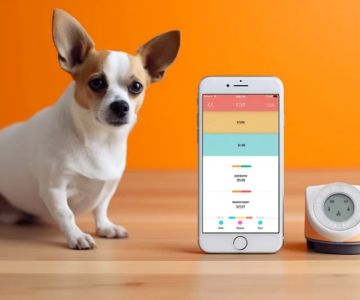
Most systems combine a collar or tag (accelerometer/temperature/heart-rate proxy), optional connected tools (smart feeder, water bowl, litter box, pet scale), and a mobile app. The app graphs health data, lets you log symptoms, and stores vaccination dates, microchip info, and lab results. Many also export a pet medical record summary you can share with your veterinary team.
Core data types
Activity & rest: Steps, play bursts, and sleep quality. Nutrition & weight: Calories fed vs. body weight trends. Hydration: Water intake per day—critical for kidney and urinary health. Elimination: Litter box frequency or outdoor bathroom timing. Symptoms: Itch scores, coughing notes, vomiting/diarrhea events with photos.
Privacy and ownership
Choose platforms that clearly state you own your pet’s data, allow easy export, and let you turn off location sharing when you don’t need it. Keep app logins protected just like your banking apps.
Real-World Stories
Early detection that changed a plan
Case: “Luna,” 6-year-old cat. Her smart water bowl showed a steady 20–25% rise in intake over two weeks—something her family wouldn’t have noticed. They called their vet and caught early kidney changes on lab work. A diet tweak and follow-up monitoring kept her stable.
Chronic care without chaos
Case: “Milo,” senior beagle with arthritis. A collar tracker flagged restless nights and fewer midday steps. Adjusting his pain meds and adding a mid-morning sniff walk improved sleep within five days—visible on the activity graph and confirmed by the family’s calmer evenings.
Behavior patterns you can finally “see”
Case: “Nala,” high-energy shepherd mix. Data showed her big energy spikes hit around 4–6 p.m. Shifting training and fetch to that window reduced evening zoomies and improved indoor manners. When behavior advice meets data, you get traction fast.
What to Track by Life Stage
Puppies & kittens
Focus on sleep consolidation, house-training/litter habits, vaccine reminders, spay/neuter timing, and safe activity targets. Data helps avoid over-exertion while bones and joints are developing.
Adult pets
Watch weight trends (even a half-pound matters for small dogs and cats), hydration, and itch/cough logs through allergy seasons. Track training progress and separation-related behaviors.
Seniors
Look for subtle changes in sleep, nighttime pacing, water intake, and bathroom frequency. Small pattern shifts can flag pain, endocrine issues, kidney concerns, or cognitive changes—earlier is always better.
Syncing with Your Vet
Telehealth-ready snapshots
Before a virtual visit, generate a 30-day summary: weight curve, activity averages, symptom timeline, and current meds. This gives your veterinarian immediate context and saves back-and-forth.
Emergency prep you’ll be grateful for
Keep vaccination records, microchip number, medication list, and allergies stored in the app. In a crisis or travel situation, you have details on your phone—no binders needed.
Cleaner medical records over time
Good trackers act as a pet wellness app plus a central medical record. Bring your phone to checkups and your vet can interpret trends, not just single-day snapshots. For device selection and a data-sharing setup that fits your clinic’s workflow, consult Hidden Brook Veterinary.
Choose the Right Tracker
Key features that matter
Health-first metrics: Weight, hydration, litter/poop tracking, sleep quality. Vet-friendly exports: PDF/CSV summaries with clear dates. Battery & comfort: Lightweight with at least a week of battery life. Durability: Water-resistant for beach days or rain.
Budget fit
Hardware ranges from simple Bluetooth tags to GPS-enabled collars; some require a monthly subscription for cloud analytics. Prioritize the features you’ll actually use daily.
Compatibility and ecosystem
Check iOS/Android support, multi-pet management, and integrations with smart bowls, litter boxes, and home scales. If you’re unsure, the clinicians at Hidden Brook Veterinary can point you to vetted products that match your pet’s age, breed, and health goals.
Step-by-Step Setup
Day 1: Baseline
Attach the tracker, enter weight, diet, meds, and known conditions. Log the day’s meals, water, bathroom habits, and any symptoms.
Week 1: Routine
Let normal life happen while the app learns your pet’s pattern. Set gentle reminders (walks, meds, grooming) and tag unusual events with photos.
Month 1: Insights
Review graphs for trends. If something is drifting (weight up, water down, fewer steps), adjust feeding, enrichment, or schedule a check-in with your vet.
Common Mistakes (and Easy Fixes)
Accuracy tips
Weigh weekly on the same scale; measure food with a scoop or kitchen scale; place smart bowls on a flat surface; keep the collar snug (two-finger rule) for better readings.
Staying motivated
Use small goals: “two quality play bursts per day” or “maintain 7–9 hours of restful sleep.” Celebrate wins—screenshots of improvements make great family motivation.
Multi-pet households
Choose systems that recognize individual pets (RFID on bowls, smart litter ID). Color-code collars and confirm each pet’s profile before logging events.
FAQs
Quick answers to common questions
Is a digital pet health tracker only for medical issues? No—preventive care is where it shines. You’ll catch drift early instead of reacting late.
What if I’m not techy? Start with weight, meals, and water. Add features as you feel comfortable. Simpler is better than nothing.
Will my vet actually use this? Most clinics appreciate clean, time-stamped trends. Bring a 30-day summary and let them guide which metrics matter most.
Where can I get recommendations? For curated devices, setup help, and wellness services, reach out to Hidden Brook Veterinary—they align trackers with real-world care plans.
Next steps for U.S. pet parents
Choose one tracker, log the basics, and share a monthly summary with your veterinary team. With consistent data and expert guidance, you’ll turn everyday moments into preventive care that genuinely extends quality of life.