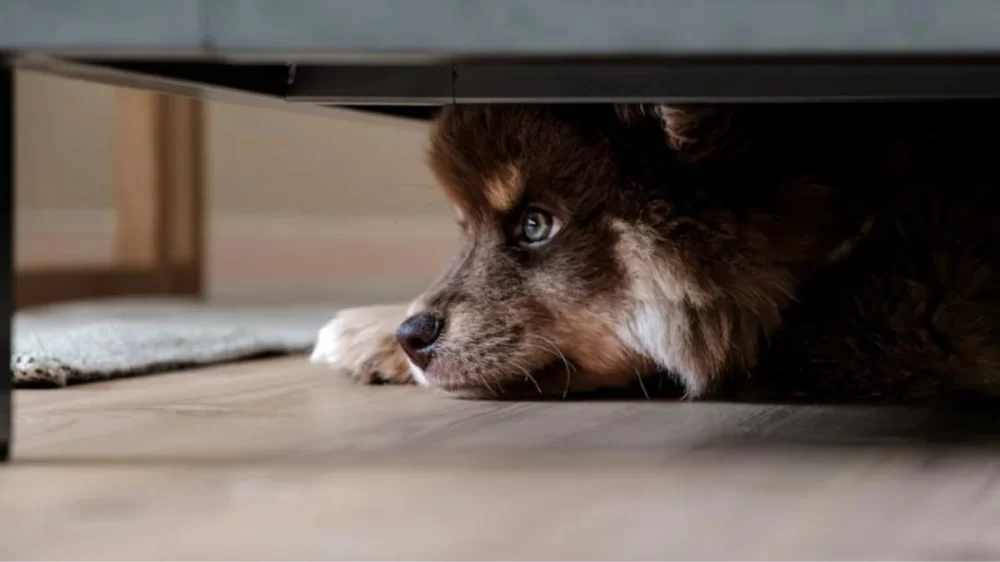
Why Does My Dog Shake and Hide Under the Bed?
As a dog owner, you might have experienced that heart-wrenching moment when your furry friend suddenly starts shaking and seeking refuge under the bed. If you've found yourself asking, "Why does my dog shake and hide under the bed?" you're not alone. It's a common behavior that many dogs display when they are feeling stressed, scared, or uncomfortable. But what exactly triggers this reaction? And, more importantly, how can we help our dogs feel safe and secure again?

The Fear Factor: Is It Anxiety or Phobia?
One of the most common reasons a dog will shake and hide is due to fear. Dogs, just like humans, can experience anxiety, and when they do, it manifests in various ways. Some dogs are more sensitive to loud noises like thunderstorms, fireworks, or even the sound of a vacuum cleaner. Other dogs may have a more generalized fear of certain environments or situations.
For instance, I remember the first time my dog, Charlie, started shaking and hiding under the bed. It was during a thunderstorm, and as soon as the rain began to pour and the thunder rumbled, Charlie’s behavior shifted dramatically. He started shaking uncontrollably and ran straight to his favorite hiding spot under the bed. It was clear that the noise had scared him, and he was trying to find a place where he could feel safe.

Separation Anxiety: When You Leave, They Suffer
Another cause of shaking and hiding is separation anxiety. This occurs when dogs become extremely distressed when their owners leave them alone. Dogs with separation anxiety may shake, drool, bark excessively, or engage in destructive behavior. The behavior is often linked to a deep emotional bond with their owner, and when that connection is broken, the dog feels uneasy.
If your dog tends to shake and hide when you leave for work or run errands, it could be a sign of separation anxiety. It's heartbreaking to witness, but with proper training and patience, this issue can be addressed. In Charlie's case, I started to gradually increase the time I was away from him and made sure he had something comforting, like a blanket with my scent, to reduce his anxiety.
Physical Pain or Illness: A Hidden Cause of Shaking
While emotional causes like fear and anxiety are the most common reasons for shaking, physical pain or illness can also be a culprit. If your dog is suddenly shaking or hiding under the bed, it’s worth considering whether they are experiencing any discomfort or pain.
For example, dogs may shake as a reaction to pain from an injury, arthritis, or internal issues. In some cases, shaking can be a sign of a fever or other health problems. It’s always a good idea to check in with your veterinarian to rule out any medical conditions, especially if the behavior persists or is accompanied by other signs of distress like vomiting, lethargy, or changes in appetite.
Other Triggers: Stress, Change, or Overstimulation
Sometimes, dogs shake and hide due to stress or overstimulation. Have you recently moved to a new home? Did you introduce a new pet or family member? Changes in the household environment can be unsettling for dogs, and they may react by seeking refuge under the bed. Dogs are creatures of habit, and any disruption to their routine can lead to anxiety and fear.
In these situations, it's important to offer your dog a sense of security and stability. You can try providing a designated quiet space where your dog can retreat when feeling overwhelmed. This could be a cozy corner of the house, a crate with their favorite toys, or even a spot near you where they can relax in peace.
How to Help Your Dog Feel Safe Again
Now that we understand some of the potential causes behind this shaking and hiding behavior, the next step is to figure out how to help your dog feel safe and calm again. Here are a few tips I’ve learned that can make a big difference:
1. Create a Safe Space
As soon as I realized that Charlie’s shaking was tied to anxiety, I made sure to create a safe space for him. A designated area in the house where he could retreat to when feeling scared was a game-changer. This space can be as simple as a quiet room, a comfortable crate, or even under the bed itself, as long as it offers a sense of security for your dog.
2. Use Positive Reinforcement
If your dog is fearful of certain situations (like thunderstorms or loud noises), positive reinforcement can help them associate these triggers with something good. I started using treats and praise whenever Charlie showed calm behavior during a storm. Over time, he began to feel more relaxed and confident, knowing that good things happened when he stayed calm.
3. Gradual Desensitization
For dogs with separation anxiety, gradual desensitization is one of the most effective methods. This involves slowly getting your dog used to being alone by starting with short periods of separation and gradually increasing the time. Be sure to provide comfort items, such as your scent or a favorite blanket, to help them feel more at ease during these times.
4. Seek Professional Help
Sometimes, despite our best efforts, dogs with severe anxiety or fear issues may need professional intervention. If your dog’s shaking and hiding under the bed persist, it might be worth consulting with a veterinarian or a professional dog trainer who specializes in behavioral issues. They can provide guidance on how to address the problem effectively and recommend appropriate treatments or therapies.
Conclusion: Understanding and Supporting Your Dog’s Needs
Seeing your dog shake and hide under the bed can be distressing, but it’s important to remember that this behavior is often a sign that they are trying to cope with fear, anxiety, or stress. By identifying the underlying cause and offering support through safe spaces, positive reinforcement, and professional help when needed, you can help your dog feel more secure and reduce their anxiety. It’s all about understanding their needs and providing them with the comfort they deserve. Every dog is different, but with patience and care, we can help them navigate their fears and live happier, more relaxed lives.