
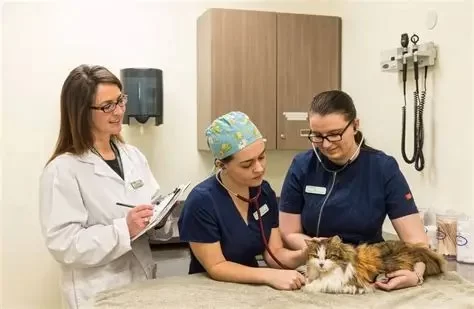
Who Is Responsible for the Actions of a Veterinary Technician? Understanding Accountability in Animal Care
- The-Structure-of-Veterinary-Teams
- Veterinary-Technician-Scope-and-Responsibilities
- Who-Is-Legally-Accountable-in-Vet-Settings
- Case-Study-Misstep-During-Anesthesia-Prep
- How-Clinics-Manage-Liability
- How-This-Impacts-Clients-and-Pet-Owners
1. The Structure of Veterinary Teams
To understand who is responsible for the actions of a veterinary technician, it’s essential to know how veterinary teams are structured. Veterinary clinics operate with a hierarchy of licensed professionals, where veterinary technicians serve as vital medical support under the direction of licensed veterinarians.
In most states, veterinary technicians cannot legally diagnose, prescribe, or perform surgeries—they carry out delegated medical procedures under supervision. That supervision is a key part of the accountability chain.
2. Veterinary Technician Scope and Responsibilities
2.1 What Techs Can Do
Veterinary technicians perform a range of duties, such as drawing blood, prepping animals for surgery, assisting in diagnostics, monitoring anesthesia, and client communication. These tasks are often highly technical, which is why formal education and licensing are required in many jurisdictions.

2.2 The Limits of Tech Autonomy
Technicians operate under either direct or indirect supervision. In direct supervision, the veterinarian is physically present. In indirect supervision, the vet is off-site but available. However, any error—even under indirect supervision—often leads to questions of who is responsible for the actions of the veterinary technician.
3. Who Is Legally Accountable in Vet Settings?
In most U.S. states and regions, the supervising veterinarian holds ultimate responsibility for the actions of the veterinary technician. This legal standard stems from the concept of “delegated authority,” meaning that whatever the technician does, it is as though the veterinarian did it themselves—at least in the eyes of the law.
This is why most clinics have strict protocols and training requirements. If a technician makes a mistake, the veterinarian and the clinic can both be liable depending on the situation and local regulations.
4. Case Study: Misstep During Anesthesia Prep
In 2022, a veterinary clinic in Texas faced a lawsuit after a dog died due to a technician’s error in anesthesia dosage. The technician prepped the dosage without double-checking with the supervising vet. While the technician was disciplined, the veterinarian and the clinic ultimately bore the brunt of the legal and financial consequences.
This incident sparked conversations nationwide about improving oversight, particularly in busy clinics where direct vet supervision isn’t always feasible. It’s a powerful example of why understanding who is responsible for the actions of a veterinary technician is not just academic—it’s practical and urgent.
5. How Clinics Manage Liability
5.1 Training and SOPs
Veterinary practices typically protect themselves by creating detailed Standard Operating Procedures (SOPs), offering continuing education for techs, and requiring liability insurance coverage. Clinics often maintain logs documenting which vet assigned which task to which technician.
5.2 Clear Delegation Saves Everyone
The clearer the delegation of responsibility, the lower the legal risk. This also ensures pet safety and quality of care. When a technician works outside of their legal scope, both their license and the supervising vet’s license could be at risk.
6. How This Impacts Clients and Pet Owners
If you’re a pet owner, it’s natural to wonder who’s handling your animal’s care. While you may speak with a technician during check-in or discharge, the veterinarian remains responsible for their actions. This structure exists to ensure accountability and to protect your pet’s well-being at every step.
Want extra assurance? Clinics like Hidden Brook Veterinary take transparency seriously—always explaining who will be involved in your pet’s care, what steps are being taken, and how safety is ensured throughout treatment.
So, who is responsible for the actions of a veterinary technician? The short answer: the veterinarian. But behind that is a system of checks, training, and accountability that’s designed to protect both pets and professionals. Understanding these dynamics can help you choose the right clinic and feel more confident about the care your animal receives. Don’t leave it to chance—choose a team that values professional standards and responsibility from start to finish.








