
- 1-Understanding-What-a-Veterinary-Health-Certificate-Is
- 2-Common-Reasons-for-Needing-a-Veterinary-Health-Certificate
- 3-Where-to-Get-a-Veterinary-Health-Certificate
- 4-Steps-to-Obtain-Your-Veterinary-Health-Certificate
- 5-Important-Tips-for-Ensuring-Validity-of-Your-Certificate
- 6-Real-Life-Experience-Getting-a-Veterinary-Health-Certificate
- 7-Why-Choose-Reliable-Providers-for-Your-Veterinary-Health-Certificate
1. Understanding What a Veterinary Health Certificate Is
A veterinary health certificate, often called a pet health certificate or animal health certificate, is an official document issued by a licensed veterinarian. It certifies that an animal has been examined and meets the health requirements for travel, sale, or entry into specific regions or countries. These certificates typically confirm vaccination status, freedom from contagious diseases, and overall good health.
Knowing where to get veterinary health certificate is crucial for pet owners planning to travel with their animals, move them interstate, or comply with shelter and boarding requirements. This document protects both the animal and the community by ensuring health standards are met.
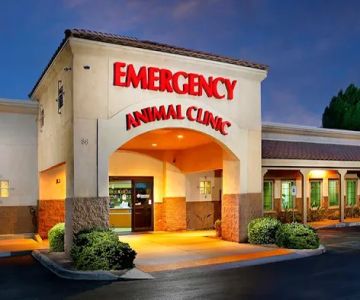
86 W Juniper Ave Suite 1, Gilbert, AZ 85233, USA
See Details2. Common Reasons for Needing a Veterinary Health Certificate
Many situations call for a veterinary health certificate, including:
- Traveling domestically or internationally with pets
- Adopting or selling an animal
- Boarding at kennels or pet daycares
- Participating in shows, competitions, or exhibitions
- Moving livestock between states or farms
Each purpose may have specific certificate requirements mandated by government agencies or institutions, emphasizing the importance of obtaining the correct documentation.

3. Where to Get a Veterinary Health Certificate
Generally, you can obtain a veterinary health certificate from:
3.1 Your Local Veterinarian
The most common and trusted place to get a veterinary health certificate is from your regular vet. They know your pet’s medical history and can conduct the required health examination and tests.
3.2 Veterinary Clinics Specializing in Travel Certifications
Some clinics specialize in preparing pets for travel, familiar with specific destination requirements and paperwork. They offer comprehensive services including vaccinations, microchipping, and certificate issuance.
3.3 State or Regional Animal Health Agencies
For livestock or large animals, state animal health departments often provide certification services or guidance on authorized veterinarians who can issue certificates compliant with regional regulations.
Knowing where to get veterinary health certificate ensures your process is smooth and your documentation is accepted by authorities.
4. Steps to Obtain Your Veterinary Health Certificate
Obtaining a veterinary health certificate typically involves:
4.1 Scheduling a Veterinary Appointment
Book a visit with a licensed vet well in advance of your travel or event date to allow time for necessary vaccinations and testing.
4.2 Undergoing a Thorough Health Examination
The vet will conduct a full physical exam and review vaccination records, checking for any signs of illness or parasites.
4.3 Completing Required Tests and Vaccinations
Depending on destination requirements, additional tests such as blood work, parasite screening, or specific vaccines may be necessary.
4.4 Receiving the Official Certificate
Once your animal passes the examination and tests, the veterinarian will complete and sign the health certificate, often including identification details like microchip numbers.
Following these steps carefully helps ensure your certificate is valid and accepted wherever you need it.
5. Important Tips for Ensuring Validity of Your Certificate
To avoid issues when using your veterinary health certificate:
- Verify specific requirements for your destination or institution, as these can vary widely.
- Obtain the certificate within the required time frame before travel—often within 10 days.
- Keep a copy of the certificate with you during travel or transportation.
- Ensure vaccinations and tests are up to date according to the certificate’s issuance date.
Attention to detail here can save you from costly delays or denied entry.
6. Real-Life Experience Getting a Veterinary Health Certificate
Jessica, a dog owner planning to move across state lines, shares her experience: “I wasn’t sure where to get a veterinary health certificate at first, but my local vet made the process straightforward. They explained the requirements for interstate travel and scheduled all necessary vaccinations. Having the certificate ready on time saved me from last-minute stress at the border.”
Such stories underline the importance of working with knowledgeable veterinarians and starting early when planning pet travel or transfers.
7. Why Choose Reliable Providers for Your Veterinary Health Certificate
Choosing a trusted veterinarian or clinic ensures your veterinary health certificate is accurate, legitimate, and compliant with regulations. Reliable providers offer peace of mind by handling the complex details and paperwork correctly.
Whether you need the certificate for travel, adoption, or boarding, investing in professional veterinary services protects your pet’s health and your plans. To make this process easier, many pet owners turn to experienced providers recommended by pet communities and animal welfare organizations.
If you’re ready to obtain a veterinary health certificate, consider reaching out to certified veterinarians or specialized clinics to ensure your pet’s health documentation meets all necessary standards.








