
What Type of Education Does a Veterinarian Need? A Detailed Guide
- 1 - starting-with-the-basics-pre-veterinary-education
- 2 - the-dvm-program-how-veterinarians-earn-their-title
- 3 - internships-specialization-and-board-certification
- 4 - real-world-journey-inside-a-student-vet-s-story
- 5 - why-the-right-education-matters-more-than-ever
- 6 - next-steps-to-your-veterinary-career
1. Starting with the Basics: Pre-Veterinary Education
When people ask, what type of education does a veterinarian need, the answer often starts long before veterinary school. In the U.S., aspiring veterinarians typically begin by earning a bachelor’s degree—though technically not required, it’s almost always expected. Most choose majors in biology, animal science, or zoology.
A competitive pre-vet student loads up on chemistry, physics, and animal biology courses. Admission committees also look for practical experience—volunteering at animal shelters, shadowing vets, or working at farms. This early hands-on exposure builds the foundation not just for academic readiness, but for emotional resilience and commitment to the profession.

2. The DVM Program: How Veterinarians Earn Their Title
The heart of a veterinarian’s education is the Doctor of Veterinary Medicine (DVM) degree. In the U.S., there are 32 accredited veterinary schools offering this 4-year program. Admission is highly competitive, with schools often requiring the GRE or specific coursework in microbiology, organic chemistry, and animal nutrition.
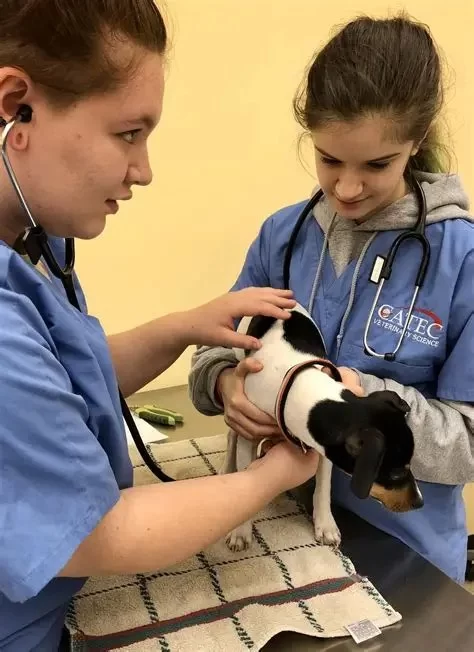
During the first two years, students tackle core science courses—anatomy, pharmacology, pathology—alongside lab work. The final two years shift to clinical rotations, where students apply their knowledge in real veterinary hospitals under supervision. It’s here that textbook concepts are brought to life, from emergency surgery to preventive wellness exams.

3. Internships, Specialization, and Board Certification
For those wondering if all veterinarians stop at the DVM level, the answer is no. Many go on to pursue 1-year internships followed by 3–4-year residencies in specialties like cardiology, oncology, or surgery. These programs are rigorous and competitive but open the door to board certification by the American College of Veterinary Internal Medicine or similar organizations.
This level of education isn’t necessary for general practice, but it’s crucial for high-level clinical or academic roles. The path varies, but for many, it’s worth it. As Dr. Lena Morgan, a board-certified veterinary neurologist, shared in a recent interview, “The years were tough, but now I get to treat patients with conditions most vets only read about. That’s rewarding.”
4. Real-World Journey: Inside a Student Vet’s Story
Take Emma Hastings, a recent Cornell University DVM graduate. She began her journey in high school, volunteering at a local equine rescue. She majored in animal science at UC Davis, where she spent summers working in both urban animal clinics and remote rural shelters.
Emma was accepted into four veterinary schools, ultimately choosing Cornell for its research opportunities. “Vet school pushed me harder than anything before,” she admits. “But I knew every hour of study, every sleepless ER shift—it was building the vet I dreamed of becoming since I was a kid.” Her story is one of thousands that echo the same theme: dedication, education, and passion.
5. Why the Right Education Matters More Than Ever
Veterinary medicine is evolving fast. From laser surgeries to genetic diagnostics, the field demands professionals who are not just compassionate—but trained at the highest level. That’s why answering what type of education does a veterinarian need isn’t just about degrees. It’s about preparing to serve a world where animals are family, and where science and empathy must work hand-in-hand.
Employers now prioritize veterinarians with specialized experience, certifications in public health, or skills in tech-driven diagnostics. In an age of rising pet care awareness and expanding livestock challenges, the right education isn’t optional—it’s essential.
6. Next Steps to Your Veterinary Career
So, what type of education does a veterinarian need? It starts with a science-focused bachelor’s degree, continues through four intensive years of veterinary school, and may extend into specialization depending on career goals. Each stage shapes not only your skills but your identity as an advocate for animal health.
If you're ready to explore tools, programs, or mentorship resources that help you take the next step, we recommend checking out the latest educational kits and professional insights from Hidden Brook Veterinary. With their curated guidance and trusted resources, your path to becoming a veterinarian becomes not just clearer—but more achievable.
Don’t wait—every journey starts with a step. Start yours today by investing in the education that builds tomorrow’s animal healers.








