
What It Really Takes: Training Needed to Be a Veterinarian in the U.S.
- understanding-the-role-of-a-veterinarian
- academic-foundation-from-high-school-to-undergrad
- vet-school-the-core-of-becoming-a-veterinarian
- clinical-training-and-internship-experience
- licensing-and-specialization-options
- personal-stories-of-veterinary-success
- is-it-worth-it-passion-vs-process
- take-the-first-step-toward-your-vet-career
1. Understanding the Role of a Veterinarian
Before diving into what training is needed to be a veterinarian, it’s crucial to understand what this role truly entails. Veterinarians diagnose, treat, and help prevent animal diseases. They perform surgeries, prescribe medications, offer vaccinations, and sometimes even deliver emergency care under high-pressure circumstances.
But it’s not just about pets. Vets may work with farm animals, wildlife, zoo creatures, and even in public health roles where they monitor disease transmission between animals and humans. Their skill set combines deep scientific knowledge with compassion, precision, and endurance.

2. Academic Foundation: From High School to Undergrad
Most students who dream of becoming a vet start planning early. In high school, a focus on biology, chemistry, and math lays the groundwork. Volunteering at shelters or shadowing local vets can also build a strong early resume.
For college, aspiring veterinarians typically pursue a pre-vet track or major in biology, animal science, or a related field. A bachelor's degree is almost always required to apply for vet school. During undergrad, students must complete prerequisite courses such as organic chemistry, physics, microbiology, and anatomy.
GPA matters. Most vet schools in the U.S. are highly competitive, accepting less than 15% of applicants. A strong academic record—especially in science courses—can make all the difference.

3. Vet School: The Core of Becoming a Veterinarian
This is where the serious training begins. A Doctor of Veterinary Medicine (DVM) degree typically takes four years to complete at an accredited veterinary college. The first two years focus on classroom-based instruction in animal anatomy, pharmacology, pathology, and physiology.
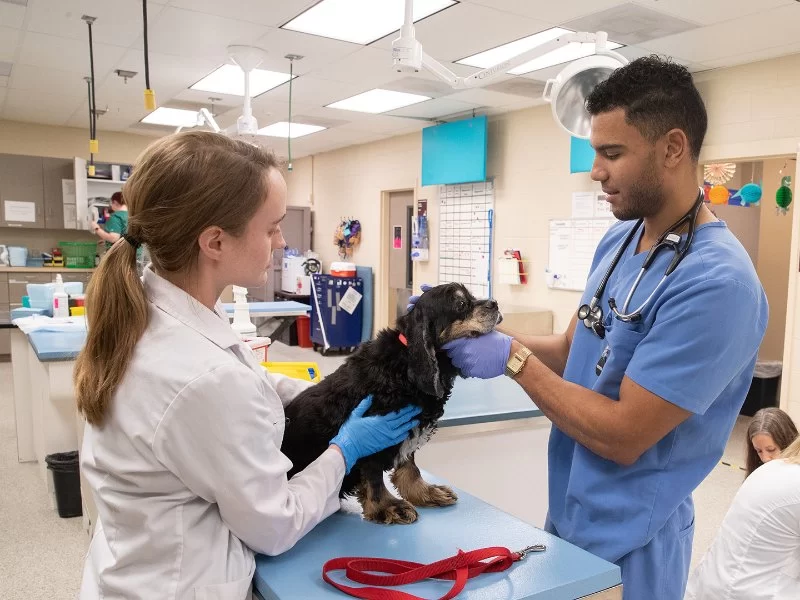
The final two years emphasize clinical rotations—hands-on training in internal medicine, surgery, radiology, and emergency care. During this time, students often find their passion—be it exotic animals, small animal surgery, equine care, or oncology.
The DVM journey is intense and demanding, both emotionally and financially. However, it forms the bedrock of veterinary expertise.
4. Clinical Training and Internship Experience
Beyond academics, future vets need real-world experience. Many choose to undertake internships or externships during school breaks or after graduation. These are typically conducted at private practices, animal hospitals, or even wildlife rehab centers.
Some opt for one-year internships post-graduation, particularly if they are pursuing specialties. For example, a vet who wants to specialize in internal medicine may need further training through a residency after their internship.
These experiences are not only resume builders—they shape your confidence and skills in high-stakes situations.
5. Licensing and Specialization Options
In the U.S., graduating from a DVM program isn’t the end of the road. You must pass the North American Veterinary Licensing Examination (NAVLE) to practice legally. Some states also require additional exams on local laws and regulations.
After licensing, some veterinarians pursue board certification in specialties like dermatology, cardiology, anesthesiology, or ophthalmology. These require years of further training, exams, and practice. But they also open doors to higher salaries and research positions.
Understanding what training is needed to be a veterinarian isn’t just about meeting minimums—it’s about preparing to thrive.
6. Personal Stories of Veterinary Success
Dr. Eliza Grant, now a zoo vet in California, recalls failing her first organic chemistry exam in undergrad. But her resilience paid off—she now treats giraffes and orangutans on a weekly basis. Another case, Dr. Marcus Yu, found his calling through an externship in rural Texas, where he helped manage large animal births.
These personal journeys show that the path to veterinary medicine is rarely linear—but always meaningful.
7. Is It Worth It? Passion vs. Process
The road to becoming a vet is long, costly, and emotionally demanding. However, if you’re driven by a love for animals and a curiosity for medical science, it’s more than worth it. Vets not only save lives—they also build relationships with families and contribute to public health and animal welfare.
Understanding what training is needed to be a veterinarian helps you plan better, prepare smarter, and enter the field with realistic expectations. Passion makes the process worthwhile.
8. Take the First Step Toward Your Vet Career
Now that you know what training is needed to be a veterinarian, it’s time to act. Whether you’re a student researching programs, a parent supporting a child’s dream, or someone considering a career change, the journey starts with informed decisions.
Explore resources, look into accredited vet schools, connect with mentors, and invest in the right preparatory materials. Choosing the right pathway can make all the difference—and open doors to a fulfilling, respected career.
If you’re serious about pursuing veterinary medicine, make sure you’re equipped with the tools and guidance to succeed. The future of animal care depends on dedicated professionals like you.








