
What to Write in a Veterinary Sympathy Card: Thoughtful Words That Matter
- why-writing-a-sympathy-card-to-a-veterinarian-matters - Why Writing a Sympathy Card to a Veterinarian Matters
- how-to-choose-your-words-carefully - How to Choose Your Words Carefully
- real-life-notes-that-made-an-impact - Real-Life Notes That Made an Impact
- what-to-write-in-a-veterinary-sympathy-card-based-on-the-relationship - What to Write in a Veterinary Sympathy Card Based on the Relationship
- the-power-of-a-handwritten-note-and-where-to-find-the-perfect-card - The Power of a Handwritten Note and Where to Find the Perfect Card
1. Why Writing a Sympathy Card to a Veterinarian Matters
Veterinarians carry emotional burdens that often go unseen. When a beloved pet passes away, the vet not only comforts the family but also feels a deep sense of loss. Writing a sympathy card to your vet isn’t just a kind gesture—it acknowledges the bond they had with your animal and the compassion they gave during its final moments. Knowing what to write in a veterinary sympathy card is a small but meaningful way to honor that shared connection.
For many pet owners, the final goodbye is one of the hardest days they’ll face. If a vet helped ease that pain—even slightly—they deserve to be recognized, remembered, and supported emotionally too.

7918 Land O' Lakes Blvd #104, Land O' Lakes, FL 34638, USA
See Details2. How to Choose Your Words Carefully
2.1 Lead with Gratitude
Begin with a heartfelt thank you. Acknowledge the care, patience, or tenderness your vet showed during your pet’s life—and especially at the end. Simple phrases like “Thank you for being there when we needed it most” go a long way.

2.2 Express Shared Grief
You can express that you understand the loss may have impacted them, too. Try something like: “I know Fluffy meant something to you as well, and I hope you’re doing okay.” This shows your awareness of the emotional connection vets form with their patients.
2.3 Keep It Personal, But Respectful
Don’t be afraid to include a memory or mention your pet by name. A line like “You always remembered Oscar’s favorite treat, and he adored you for it” adds sincerity. However, avoid overly emotional or guilt-driven messages—they can feel heavy or misdirected.
3. Real-Life Notes That Made an Impact
3.1 A Story from Dr. Megan K.
Dr. Megan, a small-animal veterinarian in Oregon, once received a handwritten card after euthanizing an elderly Labrador. The note said: “Thank you for making Max’s final moments gentle and dignified. Your kindness helped us say goodbye with peace in our hearts.” She said she still keeps the card in her desk, years later, and rereads it on difficult days.
3.2 The Card That Changed a Clinic Culture
At a vet clinic in Denver, a team was overwhelmed after a particularly tough week of losses. A client sent not just a card, but a small printout of a poem and photos of her cat. She wrote: “Thank you for loving Lucy as much as we did. You were her second family.” The clinic framed the card in the breakroom—and it led to a new practice of honoring their patients with a memorial wall.
4. What to Write in a Veterinary Sympathy Card Based on the Relationship
4.1 For a Long-Time Family Veterinarian
“Thank you for the years of compassionate care you gave to Bella. You weren’t just her vet—you were part of our family’s journey. We’re grateful beyond words.”
4.2 For a Specialist or Emergency Vet
“Even in such a brief time, your calm presence made all the difference. Knowing our pet was treated with dignity during a crisis brought us peace.”
4.3 From One Pet Professional to Another
“As a fellow caregiver, I want you to know how deeply I appreciated your clinical skill and emotional strength during this difficult case. It did not go unnoticed.”
4.4 When You're at a Loss for Words
It’s okay to be simple. One sincere sentence like “We see your heart, and we thank you for sharing it with our pet” can move someone more than you think.
5. The Power of a Handwritten Note and Where to Find the Perfect Card
5.1 Why Handwritten Cards Still Matter
Emails are easy, but handwriting a note adds weight and warmth. The physical act of choosing a card, writing it out, and mailing it shows intention and depth. Many vets say that physical cards are more memorable and often displayed in their office or saved in keepsake boxes.
5.2 Choosing the Right Card Style
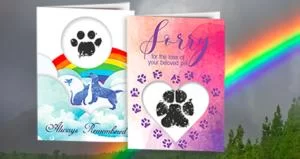
Look for designs that are elegant, minimal, and avoid clichés. Cards with soft animal imagery, watercolor art, or subtle paw print themes often work well. Humor is tricky in this context—if you're unsure, err on the side of gentle and graceful.
5.3 Where to Buy a Meaningful Veterinary Sympathy Card
At Tengerszem, we offer a curated collection of sympathy cards created specifically for veterinary professionals. Designed with empathy and insight, our cards help you say what words sometimes can't. If you’ve ever wondered what to write in a veterinary sympathy card, let our designs and sample messages guide you toward a note that truly speaks from the heart.
Your vet was there for your pet in their most vulnerable moments—now, with a few simple words, you can be there for them. Explore our collection today, and find the perfect card to carry your gratitude forward.








