- Why-Cat-Peeing-Outside-the-Litter-Box-Is-a-Serious-Sign
- Medical-Causes-and-Why-They-Could-Save-Your-Cat’s-Life
- Behavioral-Reasons-for-Cat-Peeing-Issues
- Environmental-Factors-That-Influence-Litter-Box-Use
- A-Real-Life-Case-of-Cat-Peeing-Outside-the-Litter-Box
- What-to-Do-Immediately-to-Help-Your-Cat
- When-to-Seek-Professional-Help
- Long-Term-Prevention-and-Care-Strategies
Why Cat Peeing Outside the Litter Box Is a Serious Sign
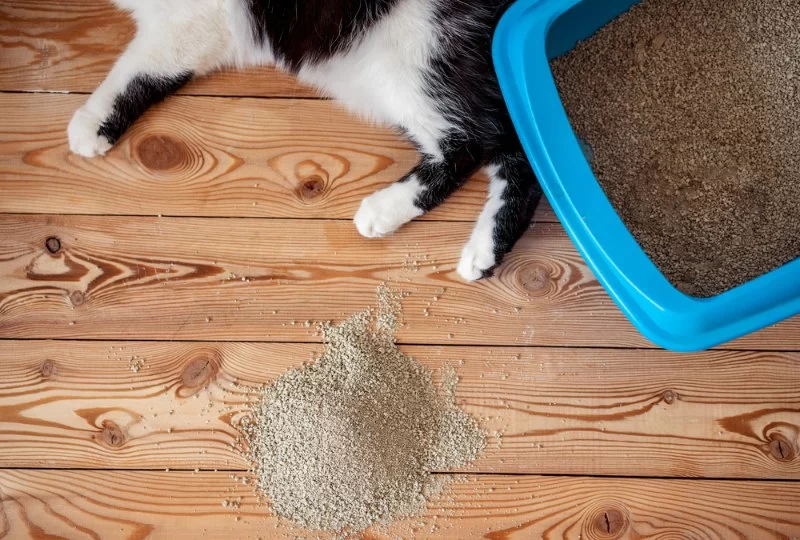
When a cat suddenly starts peeing outside the litter box, many owners assume it’s just a behavioral issue. However, this behavior often signals something more serious that could endanger your pet’s health. Ignoring it may allow medical conditions to worsen, sometimes leading to life-threatening complications. Recognizing the importance of this early warning sign could save your pet’s life.

AZ, 12020 S Warner Elliot Loop # 101, Phoenix, AZ 85044, USA
See DetailsMedical Causes and Why They Could Save Your Cat’s Life
One of the most urgent reasons a cat pees outside the litter box is a medical problem such as a urinary tract infection (UTI), bladder stones, or feline lower urinary tract disease (FLUTD). Male cats are especially at risk of life-threatening blockages that can cause kidney failure within hours. A timely veterinary exam at trusted places like Hidden Brook Veterinary could mean the difference between a treatable issue and a medical emergency.

Behavioral Reasons for Cat Peeing Issues
Not all cases are medical. Cats may urinate outside their box due to stress, changes in household routine, or conflicts with other pets. For example, a new baby in the house, moving furniture, or even a new scent can unsettle a cat. These emotional triggers are often overlooked but play a big role in litter box habits. Addressing stress through consistency, enrichment, and reassurance can restore normal behavior.
Environmental Factors That Influence Litter Box Use
The litter box itself could be part of the problem. Cats are very particular about cleanliness, scent, and accessibility. A dirty or poorly placed litter box may drive them to urinate elsewhere. Multi-cat households may also need multiple boxes to prevent territorial issues. Experimenting with litter types, ensuring regular cleaning, and placing boxes in quiet, accessible locations can solve many problems before they escalate.
A Real-Life Case of Cat Peeing Outside the Litter Box
Consider the case of a cat named Bella, whose owner thought she was “acting out” by peeing on the carpet. After delaying a vet visit, Bella was eventually diagnosed with a severe urinary blockage. Immediate treatment saved her, but the veterinarian explained that waiting even one more day could have been fatal. Stories like Bella’s highlight why taking this behavior seriously is so important for every cat parent.
What to Do Immediately to Help Your Cat
If your cat is peeing outside the litter box, the first step is observation. Check for signs such as straining, crying during urination, or blood in the urine. Keep a record of how often it happens and under what circumstances. Then, schedule a veterinary visit right away. Meanwhile, ensure the litter box is spotless and accessible. These immediate actions can help stabilize your cat’s comfort and provide crucial information for the veterinarian.
When to Seek Professional Help
Any sudden change in litter box behavior should be taken seriously. If your cat is repeatedly peeing outside the box, especially if combined with pain or vocalization, seek veterinary help immediately. Hidden Brook Veterinary offers not only diagnostic services but also guidance on environmental and behavioral adjustments. Professional care ensures you address both the physical and emotional health of your cat.
Long-Term Prevention and Care Strategies
Preventing future litter box issues involves consistency in care. Keep litter boxes clean, provide fresh water daily, and ensure your cat has outlets for play and stress relief. Annual wellness exams and prompt responses to unusual behavior play a vital role in keeping cats healthy. By investing in prevention and early care, you safeguard your cat’s health and happiness for years to come.