
- 1-Understanding-Veterinary-Careers
- 2-Educational-Pathway-to-Veterinary-School
- 3-Vet-School-Prerequisites-and-Admissions
- 4-Life-in-Veterinary-School
- 5-Professional-Training-and-Licensing
- 6-Real-Life-Example-and-Advice
- 7-Taking-the-Next-Step-in-Your-Veterinary-Journey
1. Understanding Veterinary Careers
Choosing a career as a veterinarian means committing to the care and health of animals. It’s a profession that blends science, compassion, and problem-solving. Before diving into what schooling is required to become a veterinarian, it's important to understand the scope and demands of the career.
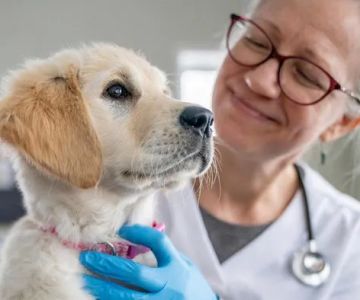
Veterinarians diagnose, treat, and help prevent diseases in animals ranging from household pets to livestock and exotic species. This career requires not only a deep knowledge of animal biology and medicine but also patience and communication skills to work closely with pet owners and animal caretakers.
1.1 The Growing Demand for Veterinarians
Recent years have seen an increased awareness of animal welfare and pet health, pushing the demand for veterinarians higher. This makes becoming a veterinarian a promising path for those passionate about animals and science.

2. Educational Pathway to Veterinary School
The journey to becoming a veterinarian starts with a strong educational foundation. Typically, this begins with obtaining a bachelor's degree, often in a science-related field such as biology, animal science, or chemistry. Many universities offer pre-veterinary tracks designed to prepare students for the rigors of vet school.
During undergraduate studies, students complete courses in biology, chemistry, physics, and mathematics, alongside electives in animal behavior and nutrition. These courses lay the groundwork for the more advanced veterinary education to come.
2.1 The Importance of Undergraduate GPA and Experience
Grades matter greatly, as veterinary schools are highly competitive. Additionally, gaining hands-on experience through internships, volunteering at animal shelters, or shadowing veterinarians significantly strengthens a candidate’s application.
3. Vet School Prerequisites and Admissions
What schooling is required to become a veterinarian? Once the undergraduate degree is complete, the next step is gaining admission to a veterinary medical school. Prerequisites often include advanced biology, organic chemistry, biochemistry, and sometimes physics.
Admission processes usually involve the Veterinary Medical College Application Service (VMCAS) and may require standardized tests such as the GRE. Applicants must demonstrate both academic excellence and a passion for veterinary medicine.
3.1 Personal Statements and Interviews
Alongside academic records, personal statements and interviews play a crucial role. They offer insight into a candidate’s motivations, communication skills, and commitment to animal care.
4. Life in Veterinary School
Veterinary school typically lasts four years and combines classroom learning with clinical rotations. The curriculum covers anatomy, pathology, pharmacology, surgery, and animal behavior, among other subjects. Students get hands-on training working with live animals in hospital settings, preparing them for real-world veterinary practice.
It’s a demanding and intense period, but also rewarding as students develop critical skills and confidence. Peer collaboration and mentorship from experienced vets often enrich the experience.
4.1 Balancing Challenges and Rewards
Many students share stories of late-night study sessions, emotional moments treating sick animals, and the joy of successful recoveries. These experiences build both professional competence and personal resilience.
5. Professional Training and Licensing
After earning a Doctor of Veterinary Medicine (DVM) degree, graduates must pass the North American Veterinary Licensing Examination (NAVLE) to practice. Additional state-specific requirements may apply.
Some veterinarians choose to specialize further in fields such as surgery, dentistry, or exotic animal care, which require internships or residencies. Continuing education remains important to stay current with veterinary advancements.
6. Real-Life Example and Advice
Consider the story of Dr. Emily, who always loved animals growing up on a farm. She pursued a biology degree, volunteered at animal clinics, and faced the challenge of competitive admissions head-on. Her advice to aspiring vets is clear: “Focus on gaining practical experience and build strong relationships with mentors. The schooling is tough, but the reward of making a difference in animal lives is unparalleled.”
7. Taking the Next Step in Your Veterinary Journey
If you’re asking yourself what schooling is required to become a veterinarian, now you have a clearer picture. This path demands dedication, academic rigor, and passion for animals. For those ready to invest in their future, exploring resources, preparatory courses, and mentorship opportunities can provide a significant advantage.
Ready to take the next step? Consider reviewing preparatory materials, vet school guides, and essential tools to succeed in this journey. For quality products that can assist students and future veterinarians alike, Scent Snob offers carefully curated selections designed to create a focused and comforting study environment. Dive into your veterinary dreams equipped with the best resources at your side.








