
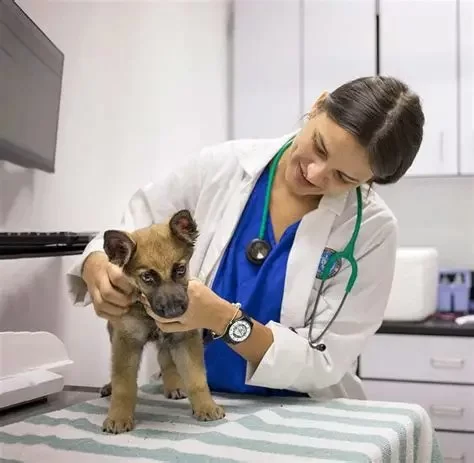
What Schooling Do You Need to Be a Veterinarian? Full Education Path Explained
- starting-the-journey-in-high-school
- college-degrees-and-pre-vet-prerequisites
- veterinary-school-core-of-the-path
- real-student-story-ashleys-dvm-journey
- post-graduate-requirements-and-licensing
- how-to-prepare-yourself-for-success-in-the-field
- take-action-now-on-your-veterinary-dream
1. Starting the Journey in High School
The answer to what schooling do you need to be a veterinarian begins earlier than most people think — in high school. Building a strong foundation in science subjects like biology, chemistry, and physics will prepare you for more advanced coursework later. Participating in science clubs, 4-H programs, or volunteering at animal shelters helps you build practical knowledge while developing a passion for animal care.
Admissions committees love to see early commitment, and these experiences can also help clarify if veterinary medicine is truly your calling. By the time you're a senior, aiming for colleges with strong pre-veterinary or animal science programs should be a top priority.
2. College Degrees and Pre-Vet Prerequisites
To get into veterinary school, most students pursue a bachelor’s degree in a related field — typically animal science, biology, or zoology. It’s not mandatory to major in a specific subject, but you do need to complete certain prerequisite courses that vet schools require, such as organic chemistry, microbiology, physics, and advanced math.
Some students choose accelerated “3+4” programs that combine undergrad and vet school into a seven-year plan. Most, however, follow the traditional route of four years of undergrad education before applying to veterinary school.
This stage is rigorous and competitive. High GPA, strong letters of recommendation, and hands-on animal experience (internships or lab work) will all make a difference when applying to a Doctor of Veterinary Medicine (DVM) program.
3. Veterinary School: Core of the Path
So, what schooling do you need to be a veterinarian after college? That’s where vet school comes in — a four-year, intensive DVM program accredited by the American Veterinary Medical Association (AVMA). The first two years focus on classroom and lab-based learning in anatomy, pharmacology, and pathology. The final two years involve clinical rotations, where students get hands-on training in surgery, emergency care, and internal medicine.
Admission into vet school is extremely competitive. In the U.S., schools like UC Davis, Cornell, and Colorado State are some of the top-ranked programs. Expect a heavy academic workload, emotional resilience, and deep financial investment — but also a fulfilling, purpose-driven environment.
4. Real Student Story: Ashley’s DVM Journey
Ashley B., now a licensed veterinarian in Oregon, began her path as a high school sophomore volunteering at a wildlife rescue center. She pursued her B.S. in Animal Science at the University of Florida, worked part-time in a vet clinic, and earned stellar grades that landed her a seat at Texas A&M’s veterinary school.
Ashley recalls the challenge of balancing coursework with overnight clinical shifts, but says the moment she saved her first patient made every sacrifice worth it. Her story is a powerful reminder that passion, planning, and perseverance all play a role in mastering the vet school steps.
5. Post-Graduate Requirements and Licensing
After earning a DVM degree, aspiring vets must pass the North American Veterinary Licensing Examination (NAVLE) to legally practice. Some states require additional jurisprudence exams or continuing education credits. Depending on the specialization — whether small animal, equine, or exotic medicine — additional internships or residencies might be required.
For those who dream big, board certification in specialties like oncology, dermatology, or cardiology is possible, but requires further years of study and testing. Licensing ensures that vets maintain clinical competence and uphold ethical standards.
6. How to Prepare Yourself for Success in the Field
Being a successful veterinarian isn’t just about schooling — it’s about mindset. Build emotional resilience, communication skills, and practical experience throughout your journey. Stay current with new medical technologies and best practices in veterinary science.
Organizations like the American Veterinary Medical Association (AVMA) and resources from Hidden Brook Veterinary can offer mentoring, internships, and professional tools that guide you at every stage — from college to clinic.
7. Take Action Now on Your Veterinary Dream
Now that you know what schooling you need to be a veterinarian, the path is clearer. It’s a long road, yes, but one filled with impact, growth, and meaningful relationships — both human and animal.
If you're serious about stepping into this rewarding profession, start now. Explore educational programs, gather hands-on experience, and check out how Hidden Brook Veterinary can help you find the right guidance, tools, and services to support your journey. Your future in veterinary medicine is waiting — take the first step today.








