
- 1-What-Major-Is-Needed-To-Become-A-Veterinarian-Overview
- 2-Common-Majors-For-Veterinary-School
- 3-Vet-School-Prerequisites-And-Preparation
- 4-Real-Life-Experience-From-A-Veterinary-Student
- 5-Career-Paths-And-Opportunities-In-Veterinary-Medicine
- 6-Choosing-The-Right-Major-For-Your-Veterinary-Goals
- 7-Taking-The-Next-Step-Towards-Veterinary-Career
1. What Major Is Needed to Become a Veterinarian? An Overview
For anyone wondering what major is needed to become a veterinarian, the straightforward answer is that there is no single required major. However, most aspiring veterinarians choose majors that provide a strong foundation in biological sciences, such as biology, animal science, or biochemistry. These majors cover essential topics that prepare students for the rigors of veterinary school and a career in veterinary medicine.
Choosing the right major is an important step, but it's equally crucial to focus on meeting veterinary school prerequisites and gaining practical experience. This combination is what veterinary admissions committees value most.
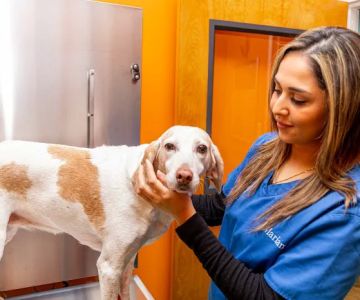
2. Common Majors for Veterinary School Applicants
Biology is the most popular major among pre-veterinary students, offering comprehensive courses in anatomy, physiology, microbiology, and genetics. Another excellent choice is animal science, which focuses specifically on animal biology, nutrition, and behavior, giving students direct insight into the species they’ll care for.
Other viable majors include chemistry, biochemistry, and zoology, each contributing a slightly different perspective but still covering core scientific principles needed for veterinary studies. Some students even pursue interdisciplinary majors or customized pre-vet tracks to align with their specific interests.

3. Veterinary School Prerequisites and How to Prepare
Regardless of your major, veterinary schools generally require certain prerequisite courses, such as general chemistry, organic chemistry, physics, biology, and sometimes biostatistics. Many programs also recommend or require courses in animal nutrition, genetics, and microbiology.
Preparation goes beyond coursework — gaining hands-on experience through internships, volunteer work, or jobs at veterinary clinics is essential. This practical exposure strengthens your application and confirms your passion for veterinary medicine.
4. Real-Life Experience: A Veterinary Student’s Journey
Emily, a current veterinary student, shares that she majored in biology but took extra courses in animal behavior and nutrition to stand out. She also spent summers volunteering at animal shelters and shadowing veterinarians, which gave her invaluable insights into the profession’s challenges and rewards.
Emily’s story highlights the importance of blending academic knowledge with real-world experience, demonstrating commitment to a demanding yet fulfilling career path.
5. Exploring Career Paths and Opportunities in Veterinary Medicine
Veterinarians can specialize in small animals, large animals, exotic species, or research. There are also opportunities in public health, pharmaceutical companies, and wildlife conservation. Understanding the broad spectrum of veterinary careers can help you tailor your major and experiences to fit your goals.
Specialized certifications or advanced degrees may be pursued after veterinary school, but a strong undergraduate foundation is always critical.
6. Choosing the Right Major to Align with Your Veterinary Goals
While biology and animal science remain top choices, consider your personal interests and strengths. For example, if you’re fascinated by genetics or molecular biology, a biochemistry major might suit you better. Alternatively, if you enjoy fieldwork and animal behavior, a zoology or ecology major could offer a unique perspective.
Ultimately, selecting a major that keeps you motivated and allows you to excel academically is vital to your success in veterinary school applications and beyond.
7. Taking the Next Step: Preparing to Become a Veterinarian
Understanding what major is needed to become a veterinarian is just the beginning. Start by planning your coursework carefully, seek internships and volunteer opportunities, and build relationships with professionals in the field. Investing in quality study materials and preparation tools can also make a huge difference.
For those serious about their veterinary career, investing in resources like comprehensive test prep guides and admissions coaching can dramatically boost your chances. By combining the right major, experience, and preparation, you’re well on your way to a rewarding career in veterinary medicine.








