
- 1 - Overview of Veterinary Work Environments
- 2 - Typical Settings Where Veterinarians Work
- 3 - Daily Tasks and Workflow in a Veterinary Clinic
- 4 - Challenges in the Veterinary Work Environment
- 5 - Rewarding Aspects of Working as a Veterinarian
- 6 - Personal Stories from Veterinary Professionals
- 7 - Preparing for the Veterinary Work Environment
1. Overview of Veterinary Work Environments
The work environment for a veterinarian varies widely depending on their specialty, location, and type of practice. Most commonly, vets work in clinics or hospitals, but opportunities exist in research, wildlife, and industry settings as well.
Understanding the nuances of these environments helps aspiring veterinarians prepare for the physical and emotional demands of the profession.

2. Typical Settings Where Veterinarians Work
Veterinarians frequently operate in private or corporate animal clinics, emergency hospitals, or large animal farms. Some work in zoos, aquariums, or government agencies focusing on public health and wildlife conservation.
Each setting offers unique interactions and challenges, from treating domestic pets to managing herd health on ranches.
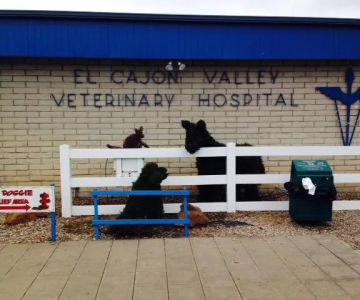
3. Daily Tasks and Workflow in a Veterinary Clinic
A typical day in a veterinary clinic involves examining animals, diagnosing illnesses, performing surgeries, and advising pet owners. Vets collaborate with veterinary technicians and staff to deliver comprehensive care.
The workflow can be fast-paced and requires multitasking, attention to detail, and strong communication skills.
4. Challenges in the Veterinary Work Environment
Veterinary work can be physically demanding, involving long hours, lifting animals, and exposure to unpredictable situations. Emotional challenges include dealing with sick or injured animals and difficult client conversations.
Stress management and resilience are essential skills for sustaining a successful veterinary career.
5. Rewarding Aspects of Working as a Veterinarian
Despite challenges, many veterinarians find great fulfillment in helping animals and their owners. The ability to improve animal health and witness recovery creates a meaningful impact.
Working in diverse environments offers variety and continuous learning opportunities, enriching the professional experience.
6. Personal Stories from Veterinary Professionals
Veterinary professionals often share stories of heartwarming successes and the strong bonds formed with animals and clients. These narratives reveal the passion and dedication required to thrive in the veterinary work environment.
Such insights help newcomers set realistic expectations and stay motivated.
7. Preparing for the Veterinary Work Environment
Preparation includes gaining hands-on experience through internships and training, developing communication and coping skills, and understanding workplace dynamics.
Choosing supportive employers and continuous professional development fosters a positive work environment and career longevity.
Step Confidently Into the Veterinary Profession
Knowing what the work environment for a veterinarian entails equips aspiring vets to navigate their careers with confidence. Embrace the challenges and rewards this profession offers by seeking quality educational resources and practical experience.
To enhance your journey, consider tools and products recommended by trusted sources to support your growth and well-being in veterinary medicine.








