
- 1-Defining-the-Job-of-a-Veterinarian
- 2-Daily-Responsibilities-and-Specializations
- 3-The-Impact-of-Veterinarians-on-Animal-Health
- 4-Real-Life-Stories-from-Veterinary-Practice
- 5-Skills-and-Education-Required-for-Veterinarians
- 6-Veterinarians-Role-in-Public-Health-and-Research
- 7-How-Veterinarians-Can-Help-You-and-Your-Pet
1. Defining the Job of a Veterinarian
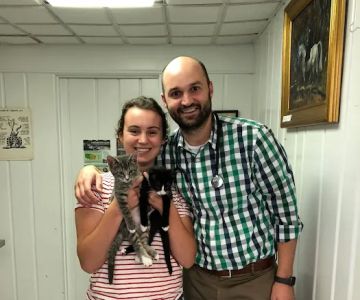
What is the job of a veterinarian? At its core, a veterinarian is a medical professional dedicated to diagnosing, treating, and preventing diseases in animals. Their scope spans from household pets like cats and dogs to livestock, exotic animals, and wildlife. Veterinarians ensure the health and well-being of animals while also considering public health implications.
This role goes beyond simple care — veterinarians often act as educators, advocates, and researchers. They provide guidance to pet owners, assist farmers in animal husbandry, and participate in controlling zoonotic diseases that could impact humans.
2. Daily Responsibilities and Specializations
A veterinarian’s daily work varies widely based on their specialization. Typical responsibilities include physical exams, surgeries, vaccinations, prescribing medications, and emergency care. Some focus on small animals, others on large animals or specialized fields like dermatology, cardiology, or oncology.
For instance, a small animal vet may spend hours with pet owners addressing chronic conditions or performing wellness checks, while an equine vet might travel extensively to farms for reproductive services or injury treatment. Veterinary dentists focus specifically on oral health, an often overlooked but critical area.

3. The Impact of Veterinarians on Animal Health
Veterinarians play a vital role in extending animals' lives and improving their quality of life. By detecting illnesses early and implementing preventive care, they reduce suffering and help control outbreaks. Their efforts in vaccination campaigns have eradicated diseases like rabies in many regions.
Their work also supports the agriculture industry by maintaining the health of livestock, which is essential for food security and economic stability. Without veterinarians, animal populations would face significant threats from disease, affecting ecosystems and human livelihoods alike.
4. Real-Life Stories from Veterinary Practice
One memorable case involved a veterinarian who saved a dog hit by a car, performing complex surgery and rehabilitation over several months. The dog’s recovery was a testament to the vet’s skill and compassion, deeply affecting both the owner and the community.
Another story comes from a wildlife vet who worked tirelessly to rescue and rehabilitate injured eagles, highlighting the dedication required in wildlife veterinary medicine. These stories bring to life what is the job of a veterinarian — a blend of science, empathy, and resilience.
5. Skills and Education Required for Veterinarians
Becoming a veterinarian requires rigorous education, including a Doctor of Veterinary Medicine (DVM) degree, licensing exams, and often internships or residencies for specialization. Key skills include strong scientific knowledge, manual dexterity, problem-solving, and excellent communication abilities.
Emotional resilience and patience are equally important, as vets deal with sick animals and anxious owners daily. Continuous learning is vital to keep up with advancements in veterinary medicine.
6. Veterinarians' Role in Public Health and Research
Beyond individual animal care, veterinarians contribute significantly to public health by monitoring zoonotic diseases and ensuring food safety. They collaborate with government agencies to track outbreaks and implement control measures.
Research veterinarians develop vaccines, study animal diseases, and improve medical treatments. Their work has global implications, advancing both veterinary and human medicine through the One Health approach.
7. How Veterinarians Can Help You and Your Pet
Understanding what is the job of a veterinarian helps pet owners appreciate their role as partners in animal health. From routine checkups to complex treatments, veterinarians provide indispensable services that enhance your pet’s life.
If you seek trusted veterinary care, consider reaching out to professionals who combine expertise with compassion. You can also explore tailored products and services from providers like Dentistry Toothtruth to support your pet’s health comprehensively.








