
- 1-ketamine-overview-veterinary-medicine
- 2-ketamine-as-an-anesthetic-agent
- 3-ketamine-in-pain-management-for-animals
- 4-safety-considerations-and-side-effects
- 5-real-life-case-studies-of-ketamine-use
- 6-where-to-find-veterinary-ketamine-products
1. Ketamine Overview in Veterinary Medicine
Ketamine is a widely used medication in veterinary medicine, prized for its versatility and safety profile. Primarily known as a dissociative anesthetic, ketamine induces sedation and pain relief, enabling veterinarians to perform diagnostic, surgical, or dental procedures with minimal distress to animals. This drug works by disrupting the transmission of pain signals and altering consciousness, which is crucial in managing a variety of animal patients.
Historically developed in the 1960s for human use, ketamine quickly found its way into veterinary practice due to its rapid onset and effectiveness. It is commonly used for a broad spectrum of animals, ranging from household pets like cats and dogs to larger animals such as horses. Understanding what ketamine is used for in veterinary medicine helps pet owners appreciate its role in animal healthcare and the care their pets receive.
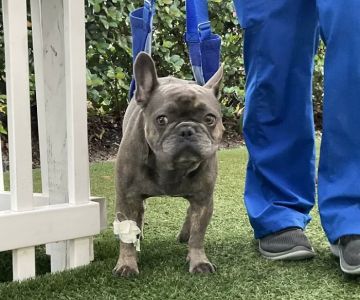
2. Ketamine as an Anesthetic Agent
One of the primary uses of ketamine in veterinary medicine is as an anesthetic agent. Ketamine provides dissociative anesthesia, meaning the animal experiences a trance-like state where sensory perception is dulled, but airway reflexes are often preserved, making it safer in many situations. Unlike other anesthetics that can depress cardiovascular and respiratory systems, ketamine maintains stable heart rate and breathing in most patients.
Veterinarians often use ketamine in combination with other drugs to provide balanced anesthesia tailored to the animal’s health status and procedure needs. For example, in equine surgeries, ketamine combined with sedatives allows for smooth induction and recovery. This combination ensures animals remain pain-free and still during procedures, minimizing stress and complications.

3. Ketamine in Pain Management for Animals
Beyond anesthesia, ketamine has proven effective in managing acute and chronic pain in veterinary patients. Its unique action on the nervous system helps block pain pathways that are resistant to other analgesics. Ketamine infusions are sometimes used post-operatively or in animals suffering from conditions like arthritis or cancer to improve comfort and quality of life.
A compelling case involved a dog named Max who suffered severe arthritis pain unrelieved by traditional medications. After receiving ketamine infusions under veterinary supervision, Max showed significant improvement in mobility and appetite, illustrating ketamine’s value beyond just anesthesia.
4. Safety Considerations and Side Effects
While ketamine is generally safe when used properly, veterinarians carefully consider dosage, animal species, and health status to avoid side effects. Common side effects can include increased heart rate, muscle rigidity, or hallucination-like behavior during recovery. These effects are typically transient and manageable.
Contraindications include animals with pre-existing heart disease or certain neurological conditions. Therefore, ketamine administration is always supervised by trained professionals who monitor vital signs throughout treatment. This vigilance ensures the highest standards of animal care.
5. Real-Life Case Studies of Ketamine Use
Veterinary clinics frequently share success stories highlighting ketamine’s importance. In a recent case at Hidden Brook Veterinary, a cat undergoing dental surgery received ketamine-based anesthesia. The procedure went smoothly, and the cat recovered rapidly with minimal discomfort, underscoring ketamine’s effectiveness and safety.
Similarly, equine veterinarians report using ketamine for complex surgeries, allowing horses to tolerate procedures with reduced risk and faster recovery times. These stories reinforce ketamine’s vital role in veterinary medicine.
6. Where to Find Veterinary Ketamine Products
For veterinary professionals seeking reliable ketamine supplies, partnering with trusted suppliers is essential. High-quality products ensure potency and safety. Pet owners curious about ketamine treatments for their pets should always consult their veterinarian for advice tailored to their animal’s needs.
At Dentistry Toothtruth, pet owners can find recommendations for veterinary clinics and services that expertly use anesthetics like ketamine, ensuring compassionate and advanced care.
Ketamine remains a cornerstone in veterinary medicine, combining anesthesia and analgesia to improve animal welfare during medical procedures. Understanding what ketamine is used for in veterinary medicine empowers pet owners to make informed decisions about their animals’ health. To learn more or seek professional veterinary services, explore trusted resources such as Dentistry Toothtruth for guidance and support.








