

What Is a CVT in Veterinary Medicine? Role, Training, and Why It Matters
- what-is-a-cvt-in-veterinary-medicine - What is a CVT in veterinary medicine?
- daily-responsibilities-and-skills - What a certified veterinary technician actually does day-to-day
- training-and-education-needed-to-become-a-cvt - The training and certification path for a CVT
- real-examples-of-cvts-making-a-difference - Real stories of CVTs making a difference in veterinary care
- how-cvts-impact-your-pet-experience - How CVTs improve your pet’s experience at the vet
- choosing-clinics-that-value-cvts - Why choosing a clinic with skilled CVTs matters
1. What is a CVT in veterinary medicine?
When people search “what is a CVT veterinary,” they’re often surprised to learn how essential this role is in animal healthcare. CVT stands for Certified Veterinary Technician, a credentialed professional who assists veterinarians in delivering top-quality medical care. Think of a CVT as the veterinary world’s version of a registered nurse—but with a focus on animals.
A CVT isn’t just an assistant handing tools—they’re trained professionals with medical knowledge, hands-on skills, and a vital presence during exams, surgeries, dental procedures, diagnostics, and more. Without CVTs, modern vet clinics simply wouldn’t function efficiently.

2. What a certified veterinary technician actually does day-to-day
2.1 Clinical duties beyond the basics
A CVT monitors anesthesia during surgeries, takes and processes X-rays, draws blood, administers medications, and communicates medical information to pet parents. They’re responsible for patient prep, lab work, charting, post-operative care, and sometimes even grief support.
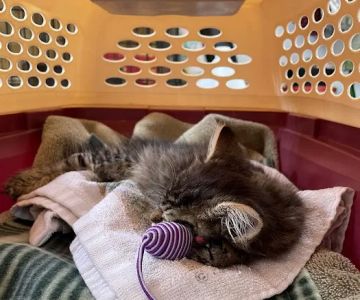
2.2 Emotional intelligence and animal handling
CVTs must master calm, confident animal handling—even when pets are scared, in pain, or aggressive. Their ability to read body language and respond empathetically makes them a critical bridge between the animal and the veterinary team.
3. The training and certification path for a CVT
3.1 Academic and hands-on education
To become a CVT, a person must graduate from an AVMA-accredited veterinary technician program, typically a 2–4 year degree, and pass the VTNE (Veterinary Technician National Exam). States may have additional licensing requirements, but the CVT title indicates formal education and national board certification.
3.2 Ongoing education and specialization
Certified veterinary technicians often pursue specialties in emergency and critical care, dentistry, anesthesia, or behavior. They must complete continuing education to maintain their credentials, staying updated on advances in veterinary science.
4. Real stories of CVTs making a difference in veterinary care
Emma, a CVT in Colorado, once noticed subtle signs of internal bleeding in a Labrador post-spay surgery. Her fast action saved the dog’s life. “It was just a slight change in gum color,” she said, “but I trusted my training.”
Another CVT, David from Oregon, helped implement a low-stress handling protocol at his clinic, drastically improving outcomes for anxious cats. “It’s not just about physical care—it’s about emotional wellbeing too,” he explained.
5. How CVTs improve your pet’s experience at the vet
5.1 More than assistants—they’re animal advocates
When you take your pet to a clinic staffed with certified veterinary technicians, you’re getting care that’s safer, more efficient, and often more compassionate. CVTs are trained to spot early warning signs, explain procedures, and comfort both animals and humans.
5.2 Trust and communication with pet parents
CVTs often spend more time with pet owners than veterinarians themselves. They answer questions, explain medications, and demonstrate at-home care techniques. Their combination of technical skill and personal warmth builds lasting trust.
6. Why choosing a clinic with skilled CVTs matters
6.1 High-quality care is a team effort
Veterinary care is not a one-person show. Behind every great vet is a team—and CVTs are the core of it. Clinics that prioritize hiring and supporting CVTs tend to deliver better care, invest more in education, and maintain higher standards.
6.2 Where to find clinics that prioritize CVT-led care
Looking for a clinic where CVTs are trusted and empowered? At Hidden Brook Veterinary, we believe in the value of certified veterinary technicians and make them central to every patient’s care. If you're serious about your pet’s health, start by choosing a veterinary team with qualified CVTs who bring both science and heart to the table.
6.3 The next step in pet care confidence
Now that you know what a CVT in veterinary medicine is, make your next vet visit count. Choose a clinic with CVTs. Ask questions. Engage with the team. And if you're considering a career in vet medicine—maybe becoming a CVT yourself—there’s no better time to begin.








