
- 1-Definition-of-CVA-in-Veterinary-Medicine
- 2-Key-Roles-and-Responsibilities-of-a-CVA
- 3-Certification-Process-and-Requirements-for-CVAs
- 4-Benefits-of-Being-a-Certified-Veterinary-Assistant
- 5-Real-Life-Examples-and-Case-Studies-of-CVAs-in-Action
- 6-Career-Opportunities-and-Advancement-for-Certified-Veterinary-Assistants
- 7-Getting-Started-and-Resources-for-Prospective-CVAs
1. Definition of CVA in Veterinary Medicine
The term what is a CVA in veterinary medicine refers to a Certified Veterinary Assistant, a professional who has undergone specific training and certification to support veterinarians in clinical and hospital settings. A CVA plays a vital role in animal care, bridging the gap between veterinary technicians and support staff by providing skilled assistance during medical procedures and routine care.
This certification distinguishes a veterinary assistant who has met established standards of knowledge and competency, ensuring high-quality care and professionalism in veterinary practices.
2. Key Roles and Responsibilities of a CVA
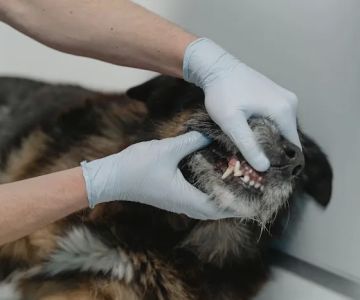
A CVA’s responsibilities include preparing animals for examinations, assisting with restraint and sample collection, administering medications under supervision, and maintaining cleanliness of treatment areas. They also handle administrative tasks such as scheduling appointments and communicating with pet owners.
Their work supports veterinarians and technicians by ensuring smooth operations and attentive care, ultimately improving patient outcomes and client satisfaction.

3. Certification Process and Requirements for CVAs
To become a CVA, candidates must complete an approved veterinary assistant training program and pass a certification exam. These programs cover topics such as animal anatomy, medical terminology, clinical procedures, and safety protocols. Some states may have specific licensing requirements or continuing education mandates to maintain certification.
The certification process validates the assistant’s capabilities and commitment to the profession, making it a valuable credential in the competitive veterinary job market.
4. Benefits of Being a Certified Veterinary Assistant
Certification enhances employment opportunities, increases earning potential, and fosters professional credibility. CVAs are often entrusted with more complex tasks and responsibilities, reflecting their advanced skills and knowledge. This recognition boosts confidence in clients and colleagues alike.
Moreover, certified assistants frequently report greater job satisfaction due to their expanded role and ability to contribute meaningfully to animal health care teams.
5. Real-Life Examples and Case Studies of CVAs in Action
Veterinary clinics regularly highlight how CVAs make a difference in patient care. For example, a CVA’s quick action during a critical procedure helped stabilize a distressed pet, demonstrating the importance of their training. Stories like these showcase the essential presence of CVAs in everyday veterinary medicine.
Such real-life cases inspire aspiring veterinary assistants and emphasize the practical value of certification.
6. Career Opportunities and Advancement for Certified Veterinary Assistants
CVAs can pursue career advancement by gaining additional certifications, specializing in areas like anesthesia or surgical assistance, or continuing education to become veterinary technicians. The field offers diverse pathways and growth potential, catering to various interests and skills.
Veterinary medicine’s ongoing expansion ensures sustained demand for qualified assistants, making certification a wise investment in a rewarding career.
7. Getting Started and Resources for Prospective CVAs
For those curious about what is a CVA in veterinary medicine, exploring accredited programs and connecting with experienced professionals is a great first step. Utilizing resources from trusted providers can help candidates prepare effectively for certification and beyond.
Discover quality study materials, practice exams, and mentorship opportunities through recommended platforms to confidently begin your journey as a Certified Veterinary Assistant.








