
- 1-Understanding-the-Credentialing-Exam-for-Veterinary-Technicians
- 2-Overview-of-the-Veterinary-Technician-National-Examination-VTNE
- 3-Preparation-Strategies-for-the-VTNE-Exam
- 4-Eligibility-Requirements-and-Application-Process
- 5-Real-Stories-from-Successful-VTNE-Candidates
- 6-Next-Steps-After-Becoming-a-Credentialed-Veterinary-Technician
1. Understanding the Credentialing Exam for Veterinary Technicians
For veterinary technicians aspiring to become credentialed professionals, the key step is passing a recognized licensing exam. This exam validates their knowledge, skills, and readiness to perform essential veterinary tasks under a licensed veterinarian’s supervision. It is critical to know exactly what exam veterinary technicians need to take to become credentialed to plan an effective preparation strategy and advance their career.
The credentialing exam assesses a broad spectrum of competencies, including animal nursing, anesthesia, pharmacology, lab procedures, and client communication. This ensures that technicians meet national standards for veterinary care.

19507 Interstate 45 N STE 700, Spring, TX 77388, USA
See Details2. Overview of the Veterinary Technician National Examination (VTNE)
The primary exam veterinary technicians take to become credentialed is the Veterinary Technician National Examination, commonly known as the VTNE. Administered by the American Association of Veterinary State Boards (AAVSB), the VTNE is a comprehensive standardized test required by most states and provinces for licensure or certification.
The VTNE consists of 150 multiple-choice questions covering various veterinary technician responsibilities. Candidates have three hours to complete the exam, which tests practical and theoretical knowledge vital to the profession.
Passing the VTNE signifies that a technician has met national competency standards, enhancing employment opportunities and professional credibility.
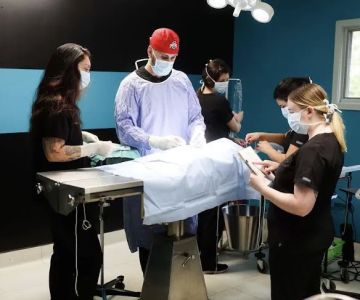
3. Preparation Strategies for the VTNE Exam
Successfully passing the VTNE requires careful planning and disciplined study. Many candidates use a combination of study guides, practice exams, and review courses tailored to the VTNE’s structure. Key strategies include:
- Establishing a study schedule months before the exam date to cover all subjects thoroughly.
- Utilizing official AAVSB resources and recommended textbooks for accurate information.
- Participating in study groups or forums to clarify difficult topics and share insights.
- Taking multiple practice exams to build familiarity with question formats and timing.
Effective preparation boosts confidence and reduces exam anxiety, increasing the likelihood of success.
4. Eligibility Requirements and Application Process
To sit for the VTNE, candidates must meet specific eligibility criteria, typically including graduation from an accredited veterinary technology program. Applicants must submit transcripts and official documentation during registration with the AAVSB.
The application process involves creating an account on the AAVSB’s website, selecting a testing window, and paying the exam fee. Some states require additional state-specific exams or background checks as part of licensure.
Understanding and fulfilling these requirements early ensures a smooth application experience and timely exam scheduling.
5. Real Stories from Successful VTNE Candidates
Jessica, a recent graduate from a veterinary technology college, credits her success on the VTNE to consistent study and group sessions with peers. She describes feeling overwhelmed initially but found that breaking down the content into manageable sections made the process more achievable.
Another candidate, Mark, emphasizes the importance of practical experience. He supplemented his study with hands-on work at a veterinary clinic, which helped him understand complex procedures and terminology tested on the VTNE.
These stories reflect the common challenges and triumphs faced by aspiring credentialed veterinary technicians and highlight the importance of both academic preparation and real-world experience.
6. Next Steps After Becoming a Credentialed Veterinary Technician
Passing the VTNE and becoming credentialed opens the door to numerous career opportunities, including positions in veterinary clinics, research facilities, and animal shelters. Many credentialed veterinary technicians pursue continuing education to specialize in areas such as anesthesia, dentistry, or emergency care.
Maintaining credentials requires compliance with state regulations, often including renewal fees and ongoing education. Staying informed about industry developments and networking with professionals can enhance career growth.
If you are preparing to take the exam veterinary technicians need to become credentialed, investing in quality study materials and support can make a significant difference. Explore trusted resources that offer comprehensive guides and practice tests to give you the edge you need for success.
Taking this important exam is your first step toward a rewarding career in veterinary technology—equip yourself with the best preparation tools and guidance to confidently achieve your credentialing goals.








