
What Do You Need to Know to Be a Veterinarian: Skills, School & Realities
- 1 - understanding-the-road-ahead
- 2 - what-do-you-need-to-know-to-be-a-veterinarian-academically
- 3 - beyond-books-real-skills-you-need-as-a-vet
- 4 - the-emotional-side-of-veterinary-work
- 5 - a-day-in-the-life-of-a-real-veterinarian
- 6 - is-veterinary-medicine-really-for-you
1. Understanding the Road Ahead
Before diving into veterinary medicine, it’s essential to ask: what do you need to know to be a veterinarian? The answer isn't just "a love for animals." It involves years of rigorous education, emotional resilience, technical mastery, and deep dedication to both animals and their human companions.
Veterinarians are medical professionals. Just like doctors for humans, they diagnose diseases, perform surgeries, and make life-or-death decisions every day. The journey from student to veterinarian is long—but for many, it's worth every step.

2. What Do You Need to Know to Be a Veterinarian Academically?
2.1 High School and Pre-Vet Foundation
If you're starting in high school, focus on biology, chemistry, and math. These will prepare you for the tough college-level science you'll need. Joining animal-related clubs or volunteering at local shelters gives you a head start.

2.2 College: The Pre-Veterinary Path
While there’s no official “pre-vet” major, most students choose animal science, biology, or zoology. To apply to veterinary school, you’ll need courses in:
- General biology and chemistry
- Organic chemistry
- Physics
- Animal nutrition and anatomy
- Microbiology and biochemistry
Veterinary school admissions are highly competitive. You’ll also need letters of recommendation, relevant animal experience, and a good GRE score (if required by the program).
2.3 Veterinary School: Four Intense Years
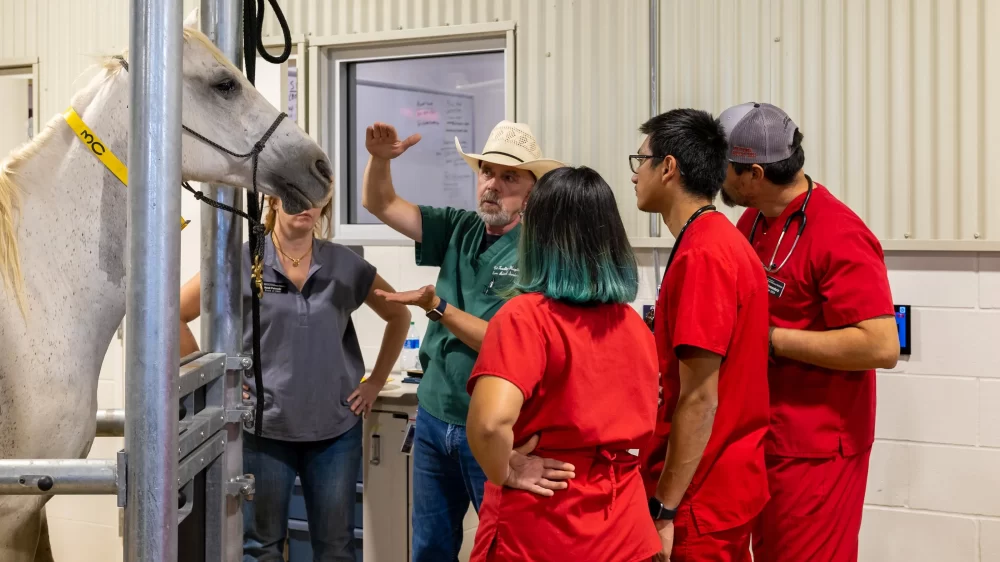
Once accepted, expect four years of hands-on, demanding education. Students learn everything from diagnosing animal diseases to surgical skills, ethics, and client communication. Clinical rotations let students work in real-world vet settings.
3. Beyond Books: Real Skills You Need as a Vet
3.1 Communication Is as Important as Medical Knowledge
You’re not just treating animals—you’re guiding their owners. Being able to explain complex issues in simple, compassionate terms is a daily challenge. One mistake in tone or timing can erode trust fast.
3.2 Problem-Solving and Critical Thinking
Animals can’t talk. You’ll need to assess symptoms, interpret lab results, and make judgment calls based on incomplete information. Fast thinking can literally save lives.
3.3 Physical and Technical Dexterity
Whether you're restraining a scared Great Dane or performing delicate surgery on a cat’s intestines, your hands need to be skilled and steady. Training in vet internships and clinics provides the real-world experience needed to develop these skills.
4. The Emotional Side of Veterinary Work
4.1 Compassion Fatigue Is Real
Veterinary professionals see a lot of hard things—neglected animals, terminal diagnoses, tough financial decisions from owners. Some days involve more grief counseling than medicine. Burnout and emotional fatigue are serious concerns in this field.
4.2 Finding Balance
To thrive, vets often develop support systems among colleagues and seek therapy or professional support when needed. Work-life balance, especially in busy clinics or ER settings, must be consciously protected.
5. A Day in the Life of a Real Veterinarian
Dr. Elena, a small-animal vet in Ohio, starts her day reviewing lab results and returning calls to concerned pet owners. By noon, she’s completed three spays, managed an emergency parvo case, and helped a family say goodbye to a senior dog.
Her afternoon includes dental cleanings, allergy consults, and behavior assessments. “Every day is different,” she says, “and that’s what keeps it exciting. But it’s not always easy.”
Dr. Elena mentors vet students, sharing her journey through vet school experience and private practice. “It’s more than a job—it’s a calling. But you have to walk in with eyes open.”
6. Is Veterinary Medicine Really for You?
If you're still wondering what do you need to know to be a veterinarian, ask yourself a few honest questions: Can you handle long hours and emotional weight? Are you curious, resilient, and eager to keep learning for life?
Veterinary medicine is evolving—telehealth, exotic animal care, advanced imaging, and surgical robotics are just some of the emerging areas. Whether your dream is working in small animal care, large animal practice, or even public health, there’s space for many types of vets.
If you’re ready to take the first step toward this rewarding path, start by exploring schools, shadowing vets, or even applying for vet tech roles to gain firsthand experience. Your journey starts with one question—then a hundred more answers along the way.
Curious about the tools and support that make this path easier? Discover books, online prep courses, anatomy models, and clinical gear designed for future vets like you. If you're serious about this career, don’t wait—invest in your education and explore the best veterinary training resources today.








