
- 1-Understanding-The-Role-Of-A-Veterinarian
- 2-Educational-Path-To-Becoming-A-Veterinarian
- 3-Gaining-Experience-And-Specialization
- 4-Personal-Stories-From-Veterinary-Professionals
- 5-Taking-The-Next-Steps-Towards-Your-Veterinary-Career
1. Understanding the Role of a Veterinarian
Becoming a veterinarian involves more than just a love for animals; it requires a commitment to medical science and animal welfare. Veterinarians diagnose, treat, and prevent illnesses in animals ranging from pets to livestock. Their role demands strong problem-solving skills, compassion, and the ability to work in diverse environments.
Understanding this role is the first step in determining what you need to do to be a veterinarian and preparing yourself mentally and academically for the journey.
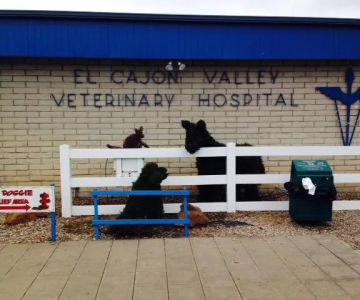
1.1 The Impact Veterinarians Have on Communities
Vets contribute to public health by managing zoonotic diseases and ensuring food safety, which adds a broader societal dimension to the profession.

2. Educational Path to Becoming a Veterinarian
The educational journey typically begins with a bachelor's degree emphasizing biology, chemistry, and animal science, which prepares students for veterinary school. Admission to veterinary programs is competitive and requires excellent academic performance and relevant experience.
Veterinary school itself usually spans four years, covering advanced medical, surgical, and diagnostic training. Graduates earn a Doctor of Veterinary Medicine (DVM) degree.
2.1 Licensing and Certification
After graduation, passing a national licensing exam is mandatory to practice. Additional certifications may be pursued for specialization in fields like surgery or anesthesiology.
3. Gaining Experience and Specialization
Hands-on experience through internships, externships, or residencies is crucial. This practical exposure helps refine skills and knowledge while determining specific veterinary interests. Specializing can open doors to focused careers such as wildlife medicine, equine care, or veterinary dentistry.
Continuing education is vital to stay current with medical advancements and evolving animal care techniques.
4. Personal Stories from Veterinary Professionals
Dr. Emily, a wildlife veterinarian, recalls her first fieldwork in remote conservation areas where her training was tested and her passion ignited. Her story illustrates the rewarding yet challenging realities of veterinary medicine.
Another vet, John, shares how early mentorship and volunteering shaped his path, emphasizing that perseverance and curiosity are key qualities in this career.
4.1 Lessons from Experience
These stories highlight the importance of practical exposure and the personal growth that accompanies the veterinary journey.
5. Taking the Next Steps Towards Your Veterinary Career
If you’re inspired and wondering what you need to do to be a veterinarian, start by researching accredited veterinary schools and gaining relevant experience with animals. Resources and support networks are available to guide you through applications and career planning.
For tailored advice, products, or services related to veterinary studies and career preparation, explore options at Rescue & Towing, your partner in professional growth.
Embarking on the path to becoming a veterinarian is a fulfilling challenge. With dedication, education, and hands-on experience, you can turn your passion for animals into a lifelong, impactful career.








