
- 1-Overview-of-Veterinary-Career-Path
- 2-Undergraduate-Degree-Requirements-for-Veterinary-School
- 3-Veterinary-Medical-Degree-and-Schooling
- 4-Additional-Certifications-and-Specializations
- 5-Tips-for-Success-in-Veterinary-Education
- 6-Real-Life-Stories-from-Veterinary-Students
- 7-Where-to-Find-Veterinary-Education-Resources
1. Overview of Veterinary Career Path
Becoming a veterinarian is a rewarding journey that requires dedication, education, and practical experience. The path typically starts with completing specific undergraduate coursework before applying to veterinary medical school. The goal is to gain the knowledge and skills needed to diagnose, treat, and care for animals.
This profession demands a strong foundation in sciences, passion for animal welfare, and commitment to continuous learning throughout your career.
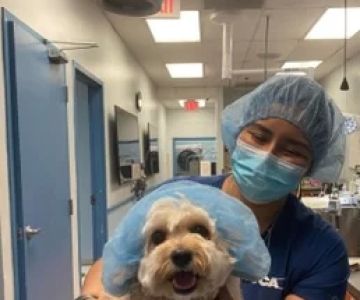
2. Undergraduate Degree Requirements for Veterinary School
Most veterinary schools require applicants to have completed a bachelor’s degree, often with a focus on biology, animal science, chemistry, or related fields. Core prerequisite courses include biology, chemistry, physics, mathematics, and animal biology.
Strong academic performance in these subjects is essential. Some students choose degrees like Animal Science or Biochemistry to align closely with veterinary prerequisites. Hands-on experience through internships or volunteering at animal clinics enhances your application.

3. Veterinary Medical Degree and Schooling
After completing undergraduate studies, aspiring veterinarians must earn a Doctor of Veterinary Medicine (DVM) degree from an accredited veterinary school. This program typically lasts four years and includes coursework in anatomy, physiology, pharmacology, surgery, and clinical practice.
Students gain practical experience through rotations in animal hospitals and clinics, preparing them for diverse veterinary careers in small animal care, livestock, research, or public health.
4. Additional Certifications and Specializations
Beyond the DVM, veterinarians can pursue certifications in specialties such as surgery, dermatology, dentistry, or exotic animal care. These require additional training, residencies, and board exams but open opportunities for advanced practice and higher salaries.
Continuing education is vital to stay updated with veterinary medicine’s evolving techniques and technologies.
5. Tips for Success in Veterinary Education
Success in veterinary education hinges on strong study habits, time management, and gaining clinical experience early. Building relationships with mentors and networking with professionals can guide your career development.
Balance academic demands with self-care to maintain motivation and prevent burnout during this rigorous path.
6. Real-Life Stories from Veterinary Students
Jessica, a current veterinary student, shares how her undergraduate research in animal physiology helped her excel in vet school. She emphasizes the importance of perseverance and passion in overcoming challenging coursework and clinical rotations.
Stories like Jessica’s illustrate the human side of the veterinary journey, inspiring prospective students to pursue their goals.
7. Where to Find Veterinary Education Resources
Prospective veterinarians can find comprehensive resources through professional organizations, veterinary school websites, and educational platforms. These sources provide guidance on degree requirements, application processes, and scholarship opportunities.
Explore trusted sites and connect with advisors to tailor your path to becoming a successful veterinarian.








