
What Degree Is Veterinary Medicine? Your Complete Guide to Becoming a Veterinarian
- What-Degree-Is-Veterinary-Medicine-in-the-USA
- Understanding-the-DVM-and-Its-Global-Equivalents
- What-It-Takes-to-Earn-a-Veterinary-Medicine-Degree
- Real-Life-Student-Stories-Vet-School-in-Action
- Career-Paths-and-Why-the-Degree-Matters
- How-to-Get-Started-on-Your-Path-to-Veterinary-Medicine
1. What Degree Is Veterinary Medicine in the USA?
In the United States, the degree required to practice as a veterinarian is called the Doctor of Veterinary Medicine (DVM). This professional doctorate typically takes four years to complete after a bachelor’s degree. It's the veterinary equivalent of an MD (Doctor of Medicine) in human healthcare.
When people ask, “What degree is veterinary medicine?” they’re usually referring to the DVM. It's the gold standard for practicing veterinary medicine in the U.S., and it's also recognized globally—though the title may vary in other countries (more on that below).

4019 South Old St Rd 37, Bloomington, IN 47401, USA
See Details2. Understanding the DVM and Its Global Equivalents
While the DVM is the standard in the U.S., other countries use different designations. For example:
- In the UK, the equivalent degree might be titled BVSc (Bachelor of Veterinary Science) or MRCVS, depending on the university and licensing board.
- In Australia, it may be BVetMed or BVSc as well.
- In Canada, it’s also commonly referred to as DVM, aligned with U.S. standards.
Despite the different names, all of these programs meet the rigorous standards necessary for licensure and practice. However, to work in the U.S., even foreign graduates must pass the North American Veterinary Licensing Examination (NAVLE).

3. What It Takes to Earn a Veterinary Medicine Degree
Earning a veterinary medicine degree is no small feat. Before you even begin vet school, you’ll need:
- A bachelor’s degree (usually in biology, animal science, or related fields)
- Strong grades, especially in science courses
- Letters of recommendation
- Volunteer or work experience in animal care settings (veterinary clinics, shelters, farms, etc.)
- Competitive GRE or relevant exam scores (though some schools are phasing these out)
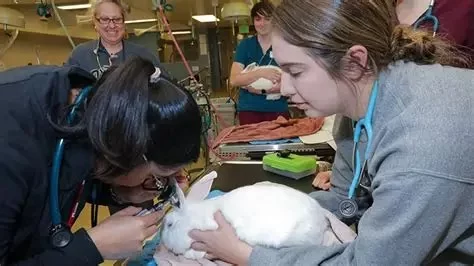
Once admitted, DVM programs cover everything from anatomy and pathology to pharmacology and clinical rotations. The final year is usually hands-on in veterinary hospitals, where students treat real patients under supervision.
4. Real-Life Student Stories: Vet School in Action
Take Sarah, a recent DVM graduate from Texas. She spent her undergrad volunteering at animal shelters and shadowing a local equine vet. “The journey was long,” she says, “but the moment I assisted in my first surgery, I knew I was exactly where I was supposed to be.”
Or James, a military veteran who decided to pursue veterinary medicine after retiring. He documented his journey online, sharing both the grueling exam weeks and the joy of helping rehabilitate injured K9 dogs.
These stories aren’t just inspiring—they’re proof that with passion and planning, a veterinary medicine degree is within reach for many.
5. Career Paths and Why the Degree Matters
A DVM degree opens more doors than just general practice. Veterinary professionals can specialize in fields like:
- Surgery
- Dermatology
- Oncology
- Emergency and critical care
- Exotic animal medicine
- Public health and epidemiology
Beyond private clinics, veterinarians also work in government agencies (like the USDA), research, education, wildlife conservation, and biotech companies. Your degree isn’t just a certificate—it’s a gateway to a wide-ranging, impactful career.
6. How to Get Started on Your Path to Veterinary Medicine
If you’ve been asking, “What degree is veterinary medicine?” and you feel inspired to take the next step, now is the time to act. Start by researching accredited DVM programs, checking prerequisites, and gaining experience in animal care.
Equally important is finding support and the right resources. Whether you're a future vet student or an animal lover wanting to learn more, Hidden Brook Veterinary offers educational content, trusted advice, and the tools to help you understand and appreciate the veterinary world better.
A veterinary medicine degree is more than academic—it’s a commitment to healing, compassion, and lifelong learning. If you’re ready to begin your journey, explore how to prepare, apply, and thrive in this extraordinary field.
And when you're ready to take that next leap—whether it's choosing your first stethoscope or learning about clinical tools—trust Hidden Brook Veterinary to guide you every step of the way.








