
- 1-understanding-the-veterinarian-career-path
- 2-educational-requirements-for-veterinarians
- 3-the-veterinary-school-experience
- 4-real-life-stories-from-veterinary-professionals
- 5-taking-the-next-step-towards-a-veterinary-career
1. Understanding the Veterinarian Career Path
Becoming a veterinarian is a rewarding yet challenging journey that requires passion for animal care combined with rigorous education. Many aspiring vets often ask, "what degree is needed to become a veterinarian?" The answer begins with understanding that veterinary medicine is a specialized field requiring advanced academic training and hands-on clinical experience.
Veterinarians diagnose and treat illnesses, perform surgeries, and promote animal health in various settings, from private clinics to research labs. Knowing the career path helps clarify the education and training needed to excel.

1.1 The Importance of Commitment and Preparation
Because veterinarians hold critical responsibilities in animal health and public safety, the training is demanding. This career requires dedication, strong science foundations, and excellent interpersonal skills to work with pet owners and animal handlers.
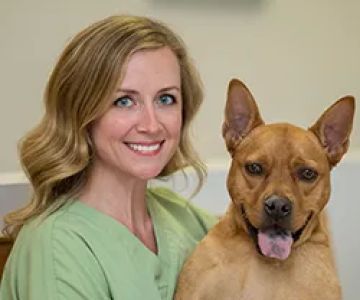
1.2 Diverse Opportunities in Veterinary Medicine
From small animal care to wildlife conservation and food animal medicine, veterinarians have diverse specialties. This variety influences the specific skills and knowledge one must acquire during their education.
2. Educational Requirements for Veterinarians
The essential degree to become a veterinarian is a Doctor of Veterinary Medicine (DVM) or Veterinary Medical Doctor (VMD), depending on the institution. Before entering veterinary school, students must complete undergraduate coursework in sciences such as biology, chemistry, and physics.
2.1 Pre-Veterinary Undergraduate Studies
Most veterinary schools require applicants to have a bachelor’s degree or at least complete prerequisite courses. Typical majors include biology, animal science, or biochemistry, providing a strong scientific base.
2.2 Veterinary School Curriculum
Once admitted, students undergo four years of veterinary education covering anatomy, pharmacology, pathology, surgery, and clinical practice. The curriculum balances classroom learning with practical experience through internships and externships.
2.3 Licensing and Certification
After graduation, candidates must pass the North American Veterinary Licensing Examination (NAVLE) and meet state-specific requirements to practice legally. Continuing education is also vital to maintain licensure and stay updated with medical advances.
3. The Veterinary School Experience
Veterinary school is intense but transformative. Students gain expertise through lectures, labs, and clinical rotations treating various animal species. Developing diagnostic and surgical skills is a significant focus, often under the supervision of experienced veterinarians.
3.1 Challenges and Rewards
While the coursework is demanding, many students find the hands-on work deeply fulfilling. The ability to heal and improve animal lives offers tremendous personal satisfaction.
3.2 Building Professional Networks
Veterinary school also provides opportunities to connect with mentors, researchers, and peers, laying the foundation for lifelong professional relationships and career advancement.
4. Real-Life Stories from Veterinary Professionals
Dr. Emily Parker, a small animal veterinarian in California, recalls her journey vividly: “Knowing early on what degree is needed to become a veterinarian helped me plan my education carefully. The undergraduate years were challenging, but they prepared me well for vet school. The hands-on experience during clinical rotations was invaluable, teaching me to connect with animals and their owners.”
Stories like Dr. Parker’s show how a clear educational path combined with passion creates a successful veterinary career.
4.1 Lessons from Veterinary Graduates
Many graduates emphasize time management, resilience, and networking as keys to success. They also stress the importance of choosing the right school and specialty to match personal interests and career goals.
5. Taking the Next Step Towards a Veterinary Career
Understanding what degree is needed to become a veterinarian is just the beginning. If you’re passionate about animal health and ready to embark on this rewarding path, exploring accredited veterinary programs is your next step.
Additionally, specialized preparatory courses and resources can enhance your application and readiness for vet school challenges.
For those committed to this career, investing in quality educational materials, study aids, and exam preparation tools can make a significant difference. Whether you are a prospective student or looking to advance, consider trusted resources that guide you step-by-step through your veterinary journey.
Embark on your path today to become the compassionate, skilled veterinarian you aspire to be.








