
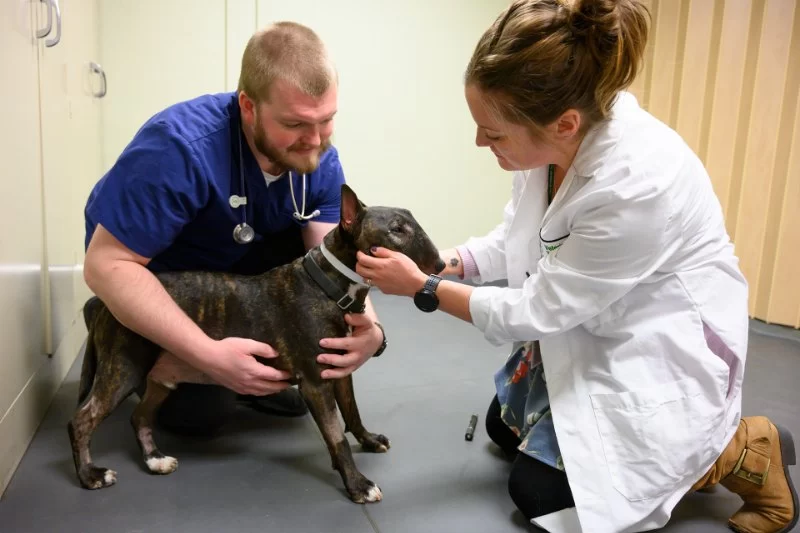
What Degree Does a Veterinarian Have? Learn the DVM Path from Start to Finish
- the-basics-of-veterinary-education-what-you-need-to-know
- understanding-the-dvm-degree-and-its-importance
- real-world-journey-to-becoming-a-vet-a-personal-case-study
- beyond-the-degree-certifications-specializations-and-continuing-education
- choosing-the-right-school-for-your-veterinary-degree
- turn-your-goal-into-action-ready-to-start-your-vet-career
1. The Basics of Veterinary Education: What You Need to Know
So, what degree does a veterinarian have? The answer is the Doctor of Veterinary Medicine, commonly known as the DVM degree. Before reaching this milestone, aspiring vets must complete a bachelor’s degree—typically in a science-related field like biology or animal science. This foundation prepares students for the demanding veterinary school curriculum that follows.
The path is not short. Most veterinarians spend 3 to 4 years in undergraduate school followed by another 4 years in a DVM program. But for those who truly love animals and are passionate about animal health, this journey is worth every minute.

2. Understanding the DVM Degree and Its Importance
The DVM degree is the cornerstone of any veterinary career. Awarded by accredited veterinary schools, it equips graduates with the clinical skills and knowledge necessary to diagnose, treat, and prevent diseases in a wide range of animals—from household pets to livestock and wildlife.
Veterinarians must pass the North American Veterinary Licensing Examination (NAVLE) after completing their DVM degree to legally practice in the U.S. This rigorous exam ensures that only those with sufficient medical expertise can treat animals professionally.
If you’re asking “what degree does a veterinarian have,” the DVM is your answer—and it’s far more than just a title. It’s a commitment to animal welfare, science, and public health.

3. Real-World Journey to Becoming a Vet: A Personal Case Study
Take the story of Rachel S., now a practicing small-animal veterinarian in Denver. Her journey started with a love for wildlife documentaries as a child. She earned her undergraduate degree in animal science from UC Davis, then went on to complete her DVM at Colorado State University.
“Vet school was the hardest thing I’ve ever done,” Rachel says. “But it was also the most rewarding. I still remember the first time I saved a dog in emergency surgery. That moment made every sleepless night worth it.”
Her story is proof that behind every vet’s white coat is years of intense education, sacrifice, and unwavering commitment. Understanding what degree a veterinarian has helps us appreciate the depth of knowledge they bring to every appointment.
4. Beyond the Degree: Certifications, Specializations, and Continuing Education
While the DVM degree allows veterinarians to begin practicing, many pursue further specialization. From oncology and cardiology to exotic animal medicine and surgery, post-DVM residencies and board certifications allow vets to deepen their expertise.
Continuing education is also a requirement to maintain licensure. This ensures that veterinarians stay up to date with new treatment methods, technologies, and health risks. The veterinary field evolves quickly—especially with emerging zoonotic diseases—and staying current is essential.
So when we ask “what degree does a veterinarian have,” it’s important to also ask, “how far have they chosen to go?” The learning never truly ends.
5. Choosing the Right School for Your Veterinary Degree
If you’re seriously considering becoming a veterinarian, choosing the right school matters. Accredited veterinary schools in the U.S. include institutions like Cornell University, UC Davis, and the University of Florida. Each school has its strengths—some excel in small animal medicine, while others offer unique research opportunities or international programs.
Admission is competitive, with most schools requiring high GPAs, GRE scores, letters of recommendation, and extensive animal care experience. Volunteering at clinics, animal shelters, or zoos can give you a huge advantage.
Schools also vary in tuition and residency requirements. Research is key. Make sure the program not only offers a solid education but also aligns with your long-term career goals.
6. Turn Your Goal Into Action: Ready to Start Your Vet Career?
Understanding what degree a veterinarian has is the first step—but what comes next is up to you. If you’ve felt a calling to help animals, whether it’s through clinical work, research, or wildlife conservation, there’s never been a better time to pursue veterinary medicine.
The world needs compassionate, skilled veterinarians more than ever. If you're ready to explore trusted vet-recommended supplies, educational resources, or even schedule guidance for your pet’s care, check out Hidden Brook Veterinary. Whether you're on the path to becoming a vet or seeking one, expert guidance makes all the difference.
Your future—or your pet’s future—deserves nothing less than care backed by education and passion. Take the leap today.








