
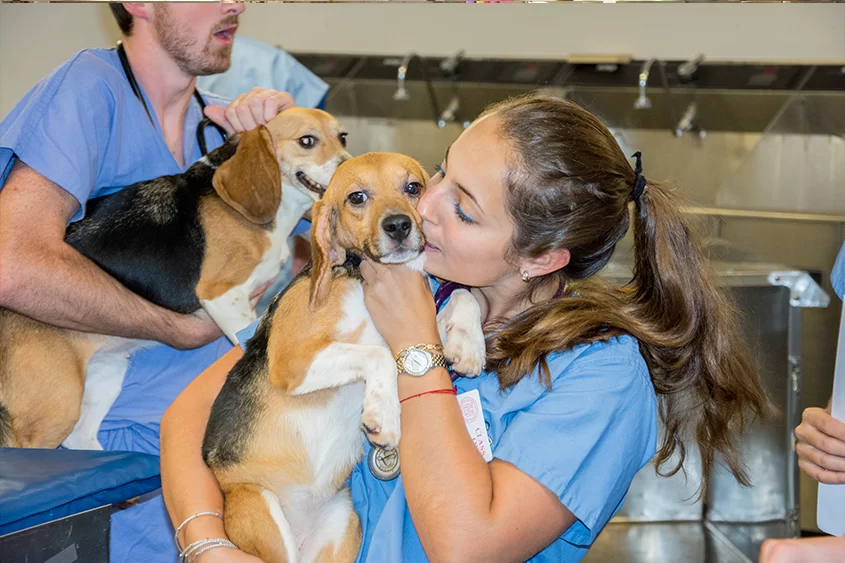
What Degree Do You Need to Be a Zoo Veterinarian? A Realistic Look at the Journey Behind the Dream
- understanding-the-career-path-of-a-zoo-veterinarian
- educational-foundation-what-degree-do-you-need-to-be-a-zoo-veterinarian
- advanced-training-certifications-and-specialization
- the-role-of-real-world-experience-and-volunteering
- real-case-study-of-a-zoo-veterinarian-career-journey
- how-to-know-if-zoo-veterinary-medicine-is-right-for-you
1. Understanding the Career Path of a Zoo Veterinarian
Before diving into the specifics of what degree you need to be a zoo veterinarian, it’s important to understand the unique nature of the job. Zoo veterinarians work with a broad range of exotic and sometimes dangerous animals—think tigers, giraffes, penguins, and pythons. Their role isn’t just medical; it’s about conservation, ethics, species management, and collaboration with zookeepers and biologists.
110 Marketside Avenue #203, Ponte Vedra Beach, FL 32081, USA
See Details1.1 It’s More Than a Love of Animals
Many aspiring zoo vets start with a passion for animals, but this field demands more: scientific rigor, calm under pressure, and willingness to work outside of a typical clinic environment. This is why the path to becoming one is both demanding and competitive.

3405 Hancock Bridge Pkwy, North Fort Myers, FL 33903, USA
See Details2. Educational Foundation: What Degree Do You Need to Be a Zoo Veterinarian?
The essential answer to what degree do you need to be a zoo veterinarian is straightforward: you must earn a Doctor of Veterinary Medicine (DVM or VMD) degree from an accredited veterinary school. But the journey starts earlier and goes deeper.
2.1 Undergraduate Preparation
Before vet school, you’ll need a bachelor’s degree, typically in a related field such as biology, animal science, zoology, or chemistry. Pre-vet programs help align your coursework with vet school prerequisites, including biology, organic chemistry, and animal physiology.
2.2 Veterinary School (DVM)
Veterinary school typically lasts four years and includes rigorous training in anatomy, pharmacology, pathology, and clinical skills. If your goal is to become a zoo veterinarian, look for electives or externships in wildlife or exotic animal care.
3. Advanced Training: Certifications and Specialization
After earning your DVM, the road continues. Most zoos won’t hire general veterinarians for wildlife care—they want specialists. That’s where residencies, internships, and board certification come in.
3.1 Wildlife Internships and Residencies
Completing a 1-year internship in zoo or wildlife medicine followed by a 3-4 year residency is a common path. These programs are highly competitive and often require applicants to have experience in both general practice and exotic animal care.
3.2 ACZM Certification
The American College of Zoological Medicine (ACZM) offers board certification for zoo and wildlife veterinarians. This credential can be a game-changer in getting hired by major zoos or wildlife parks.
4. The Role of Real-World Experience and Volunteering
Getting into vet school and then into a zoo specialization program requires more than good grades—it takes real hands-on experience. Volunteering at local animal shelters, wildlife rehab centers, or even interning at zoos can make all the difference.
4.1 Start Early, Start Small
Dr. Hannah, now a staff veterinarian at a U.S. coastal zoo, started by volunteering at her local pet shelter at 14. She told us, “It wasn’t glamorous. But I learned how to clean, observe, care, and most importantly—show up. That foundation still sticks with me today.”
4.2 Build Relationships
Networking with mentors, attending zoo medicine conferences, and staying active in veterinary forums can open unexpected doors. The path may be long, but relationships will take you further than a resume ever could.
5. Real Case Study of a Zoo Veterinarian Career Journey
Dr. Miguel Alvarez dreamed of working with wild cats since childhood. After finishing a biology degree, he attended Cornell’s College of Veterinary Medicine. He then interned at a wildlife rehab center in Costa Rica and completed his residency in zoo medicine in California.
Today, Dr. Alvarez leads the big-cat health program at a major zoo in Texas. When asked “what degree do you need to be a zoo veterinarian”, he laughs: “A DVM is just the entry ticket. What you do outside the classroom—that’s where the real preparation begins.”
6. How to Know If Zoo Veterinary Medicine Is Right for You
This field isn’t for the faint of heart. The work is physically demanding, emotionally intense, and sometimes dangerous. But if you’re passionate about conservation, science, and working with majestic creatures of all kinds, it can be life-changing.
6.1 Self-Reflection and Long-Term Vision
Ask yourself: Can I commit to over a decade of education and training? Do I enjoy problem-solving in complex, unpredictable environments? Am I okay with earning less than small-animal vets for years before reaching my goals?
6.2 Get the Right Tools from Day One
If you’ve decided to pursue this path, start preparing now. Equip yourself with high-quality learning tools, professional-grade equipment, and resources curated for future exotic animal vets. At Dentistry Toothtruth, we offer top-reviewed gear and study resources for aspiring wildlife professionals ready to take that first real step.
So next time you wonder what degree do you need to be a zoo veterinarian, remember: the DVM is crucial, but your passion, persistence, and preparation will truly shape your journey. Start building that foundation today—with the right guidance and the right gear.








