
- 1-What-Degree-Do-You-Need-To-Be-A-Zoo-Veterinarian-Overview
- 2-Educational-Path-To-Zoo-Veterinary-Medicine
- 3-Veterinary-School-And-Specialization
- 4-Real-Life-Zoo-Veterinarian-Experience
- 5-Career-Outlook-For-Zoo-Veterinarians
- 6-Choosing-The-Right-Degree-And-Preparation
- 7-Next-Steps-For-Aspiring-Zoo-Veterinarians
1. What Degree Do You Need to Be a Zoo Veterinarian? An Overview
One of the most common questions for aspiring animal health professionals is, “What degree do you need to be a zoo veterinarian?” The clear answer is that becoming a zoo veterinarian requires earning a Doctor of Veterinary Medicine (DVM) degree from an accredited veterinary school. This professional degree provides the comprehensive medical training necessary to care for a wide range of exotic and wild animals found in zoos.
Before entering veterinary school, candidates typically complete an undergraduate degree focused on biological sciences or animal-related fields. This foundational education prepares students for the rigorous coursework of veterinary medicine.
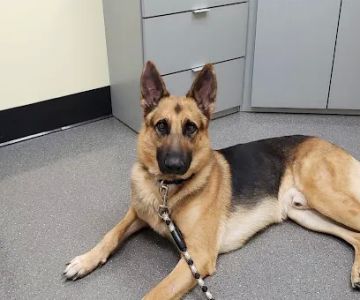
2. Educational Path to Zoo Veterinary Medicine
Most students interested in becoming zoo veterinarians start with a bachelor’s degree in majors such as biology, zoology, animal science, or wildlife biology. These majors offer courses in anatomy, physiology, animal behavior, and ecology, laying the groundwork for veterinary studies.
Additionally, aspiring zoo vets often seek hands-on experiences through internships or volunteer work at zoos, wildlife rehabilitation centers, or research institutions. These opportunities enhance understanding of exotic species care and increase competitiveness for veterinary school admissions.

3. Veterinary School and Specialization for Zoo Veterinarians
After completing prerequisites and earning a bachelor's degree, the next critical step is admission to veterinary school. The DVM program typically spans four years and covers general veterinary medicine, surgery, pharmacology, and pathology.
While veterinary school provides broad training, specializing in zoo or exotic animal medicine usually occurs during clinical rotations or through internships and residencies post-graduation. Many zoo vets pursue additional certifications or advanced degrees focusing on wildlife medicine or exotic species care to sharpen their expertise.
4. Real-Life Experience from a Zoo Veterinarian
Dr. Laura Bennett, a practicing zoo veterinarian, shares her journey starting with a biology major, followed by extensive volunteer work at a local zoo. She credits these early experiences for cementing her passion and preparing her for the challenges of veterinary school.
During vet school, Laura focused her clinical rotations on exotic animals and completed a residency in zoo medicine. Her story illustrates the dedication required to succeed and the rewarding nature of working closely with diverse species every day.
5. Career Outlook and Opportunities in Zoo Veterinary Medicine
Zoo veterinarians play an essential role in animal health, conservation, and education. Job opportunities exist at zoos, aquariums, wildlife parks, and research organizations worldwide.
Demand for zoo veterinarians is steady but competitive, emphasizing the importance of specialized training, practical experience, and strong professional networks to advance in this field.
6. Choosing the Right Degree and Preparation for Your Goals
While the DVM degree is mandatory, tailoring your undergraduate education to your interests and strengths is equally important. A degree in biology or animal science is traditional, but degrees in wildlife biology or ecology can offer unique perspectives valuable in zoo medicine.
Focusing on gaining relevant experiences, building relationships with mentors, and maintaining strong academic performance will set you apart in this specialized veterinary path.
7. Taking the Next Step Towards Becoming a Zoo Veterinarian
Understanding what degree you need to be a zoo veterinarian is only the beginning. Begin by selecting an undergraduate program aligned with veterinary prerequisites, seek volunteer opportunities in zoological settings, and prepare thoroughly for veterinary school applications.
Investing in preparation resources, including test prep and admissions guidance, can significantly improve your chances. By committing to the right degree path and gaining targeted experience, you are well-positioned to enter the exciting and impactful career of a zoo veterinarian.








