
- 1-defining-the-veterinarian-career-cluster
- 2-key-skills-and-education-for-veterinarians
- 3-real-life-veterinarian-career-stories
- 4-how-to-pursue-a-veterinary-career
- 5-why-choose-veterinary-careers-and-next-steps
1. Defining the Veterinarian Career Cluster
Veterinarians fall under the Agriculture, Food & Natural Resources career cluster, which encompasses professions related to animal care, agriculture, and environmental sciences. This cluster includes roles that focus on the health and well-being of animals and sustainable management of natural resources.
Understanding this cluster helps clarify the broad scope of veterinarian roles, from clinical animal care to research and public health.
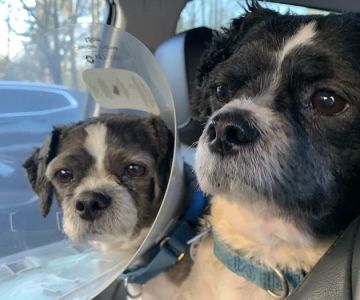
1.1 The Scope of Veterinary Careers
Beyond treating pets, veterinarians also work with livestock, wildlife, and in specialized fields like food safety and biomedical research. The career cluster reflects this diverse range of responsibilities.

2. Key Skills and Education for Veterinarians
Successful veterinarians combine scientific knowledge, empathy, and strong communication skills. A Doctor of Veterinary Medicine (DVM) degree is essential, along with licensure and continuous education to keep up with advances in veterinary medicine.
Technical skills, problem-solving, and a passion for animal welfare are fundamental.
2.1 Educational Pathways and Certifications
Students typically complete undergraduate studies in biology or animal sciences before entering veterinary school. Internships and residencies provide practical experience.
3. Real-Life Veterinarian Career Stories
Dr. Sarah Thompson shares her journey from childhood fascination with animals to becoming a leading vet specializing in exotic pets. Her story illustrates dedication and the impact of veterinarians on animal health and human communities.
Another example is Dr. Mark Rivera, who works in public health monitoring zoonotic diseases, showcasing the wider societal role veterinarians play.
4. How to Pursue a Veterinary Career
Begin with strong academic performance in sciences, volunteer or work with animals, and prepare for the Veterinary College Admission Test (VCAT). Seeking mentorship and attending veterinary career fairs can provide valuable insights and networking opportunities.
Joining veterinary associations enhances professional development and access to resources.
5. Why Choose Veterinary Careers and Next Steps
Choosing a veterinary career offers the chance to make a tangible difference in animals' lives while contributing to public health and environmental stewardship. The demand for qualified veterinarians continues to grow, presenting diverse career opportunities.
Explore relevant programs, connect with professionals, and consider products and services at Fred Miller Lawyer that support aspiring and practicing veterinarians in their journey.








