
- 1-Understanding-the-Veterinary-Technician-Degree
- 2-Career-Paths-for-Veterinary-Technicians
- 3-Specializations-and-Job-Opportunities
- 4-Skills-and-Real-World-Examples
- 5-How-to-Leverage-Your-Degree-for-Success
1. Understanding the Veterinary Technician Degree
A veterinary technician degree opens the door to a dynamic and fulfilling career in animal healthcare. This degree equips graduates with the knowledge and hands-on skills needed to assist veterinarians in a variety of clinical settings. Understanding the scope of this qualification is the first step to recognizing what you can do with a veterinary technician degree.
Typically, the program covers animal anatomy, pharmacology, laboratory procedures, and patient care, preparing graduates to handle both routine and emergency veterinary tasks.
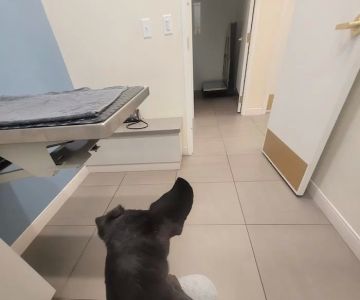
1.1 Accreditation and Certification
Completing an accredited veterinary technician program and obtaining certification, such as the Licensed Veterinary Technician (LVT) credential, significantly enhances job prospects and professional credibility.

2. Career Paths for Veterinary Technicians
With a veterinary technician degree, a wide range of career options become available. Beyond traditional veterinary clinics, graduates find opportunities in diverse environments.
2.1 Clinical Practice
Most vet techs work alongside veterinarians, performing duties like preparing animals for surgery, administering medications, and conducting laboratory tests.
2.2 Specialty Areas
Some choose to specialize in fields such as dentistry, anesthesia, or emergency care, offering higher expertise and often increased compensation.
2.3 Alternative Roles
Veterinary technicians also find roles in research labs, animal shelters, wildlife rehabilitation, and even veterinary sales and education.
3. Specializations and Job Opportunities
Specializing can broaden your career horizons significantly. Certifications in behavior, nutrition, or exotic animal care open doors to unique job settings and responsibilities.
3.1 Emerging Fields
With growing focus on animal welfare and biomedical research, vet techs skilled in lab work or animal behavior are increasingly sought after.
3.2 Geographic and Industry Growth
Certain regions and sectors, like urban pet hospitals or biotechnology firms, offer robust demand and competitive salaries for veterinary technicians.
4. Skills and Real-World Examples
Success in this field requires technical proficiency, communication skills, and compassion.
4.1 Practical Experience Matters
Internships and hands-on training during your degree program provide vital real-world skills that employers value highly.
4.2 Case Study: A Vet Tech’s Journey
Consider Emily, who leveraged her veterinary technician degree to specialize in emergency care. Her quick thinking and advanced skills saved countless lives, leading to recognition and career advancement.
5. How to Leverage Your Degree for Success
To maximize the benefits of your veterinary technician degree, continuous learning and networking are essential.
5.1 Pursue Certifications
Additional certifications boost your qualifications and open doors to specialized positions.
5.2 Connect with Professional Communities
Joining organizations such as the National Association of Veterinary Technicians helps you stay updated and connected.
5.3 Explore Further Education
Some choose to advance into veterinary technology management or pursue veterinary medicine degrees for expanded roles.
Ultimately, what you can do with a veterinary technician degree depends on your interests and ambitions. This versatile degree offers a pathway into a growing, meaningful profession where your skills directly improve animal health and wellbeing.
If you're ready to start or advance your career as a veterinary technician, exploring trusted educational resources and career support like ESPLawyers can help guide you toward the best programs and opportunities. Take the next step with confidence and make a real impact in the animal care world.








