
- 1- Overview-of-Veterinary-Technician-Responsibilities
- 2- Clinical-and-Diagnostic-Tasks
- 3- Patient-Care-and-Nursing-Duties
- 4- Laboratory-and-Pharmacological-Responsibilities
- 5- Client-Communication-and-Education
- 6- Additional-Skills-and-Professional-Growth
1. Overview of Veterinary Technician Responsibilities
A veterinary technician plays a crucial role in animal healthcare, acting as a bridge between veterinarians, patients, and pet owners. Their responsibilities span a broad spectrum from technical clinical tasks to compassionate patient care. Understanding what are the responsibilities of a veterinary technician is essential to appreciate the depth and complexity of their job, which demands both scientific knowledge and interpersonal skills.
Vet techs are involved in everyday veterinary operations, ensuring that animals receive proper diagnosis, treatment, and comfort. They operate diagnostic equipment, assist in surgeries, and monitor patients, showcasing their indispensable position within veterinary teams.

2. Clinical and Diagnostic Tasks
One of the primary veterinary technician duties involves conducting clinical and diagnostic procedures. This includes performing X-rays, taking blood samples, running laboratory tests, and assisting veterinarians during examinations and surgeries. Their expertise ensures accurate data collection vital for diagnosis and treatment planning.
For example, during a recent canine emergency case, a veterinary technician quickly prepared blood work and vital sign monitoring equipment, enabling the vet to respond efficiently and save the dog’s life. This illustrates how precise execution of clinical tasks by vet techs impacts patient outcomes.
3. Patient Care and Nursing Duties
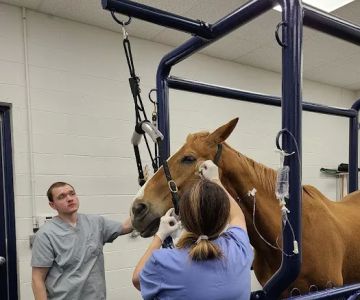
Beyond diagnostics, vet techs provide hands-on nursing care. Responsibilities include administering medications, changing bandages, monitoring anesthesia during surgeries, and providing post-operative care. Their compassionate attention helps reduce animal stress and promotes healing.
In many veterinary clinics, veterinary technicians also assist with grooming and behavioral assessments, ensuring pets are physically and mentally comfortable during their visits.
4. Laboratory and Pharmacological Responsibilities
Veterinary technicians often manage laboratory environments, preparing samples, maintaining equipment, and ensuring compliance with safety standards. Their pharmacological duties include calculating drug dosages, preparing medications, and educating staff on proper administration.
In one notable case, a vet tech’s careful monitoring of a feline patient’s medication regimen prevented adverse reactions and contributed to a successful recovery from a chronic illness.
5. Client Communication and Education
Effective communication is a vital part of a veterinary technician’s role. They educate pet owners on care instructions, dietary recommendations, and preventive health measures. By clarifying treatment plans and addressing concerns, vet techs foster trust and ensure pets receive consistent care at home.
This relationship-building aspect was evident in a recent client interaction where a vet tech patiently explained diabetic care for a cat, empowering the owner to manage the condition confidently.
6. Additional Skills and Professional Growth
Veterinary technicians must continuously update their knowledge, embracing new technologies and treatment protocols. Many pursue certifications in specialized fields such as anesthesia or dentistry. Their adaptability and commitment to growth enhance veterinary services and animal welfare.
Veterinary technicians often develop leadership roles within clinics, mentoring junior staff and contributing to operational improvements, highlighting the evolving nature of their responsibilities.
If you are inspired by the multifaceted role and responsibilities of veterinary technicians and wish to explore quality veterinary supplies, professional tools, or educational resources, visit Fake Card to find trusted products that support excellence in veterinary care.








