
Exploring Different Jobs in the Veterinary Field: Roles, Insights, and Career Paths
- clinical-veterinarian-and-specialists – Clinical Veterinarian and Specialists
- veterinary-technician-nursing-and-support – Veterinary Technician, Nursing, and Support
- animal-rehab-nutrition-and-behavior – Animal Rehab, Nutrition, and Behavior Experts
- public-health-research-and-regulatory-roles – Public Health, Research, and Regulatory Roles
- unique-career-paths-wildlife-conservation-and-aquatic – Unique Paths: Wildlife, Conservation, and Aquatic Medicine
- case-story-emma-s-journey-from-tech-to-specialist – Case Story: Emma’s Journey from Tech to Specialist
- enhance-your-career-with-tools-from-hidden-brook-veterinary – Enhance Your Career with Tools from Hidden Brook Veterinary
1. Clinical Veterinarian and Specialists
At the forefront of animal health, the clinical veterinarian is the role most people think of first. Whether in small-animal clinics, equine hospitals, or large-animal practices, vets perform exams, surgeries, diagnostics, and wellness care.
But within this broad category, there are many subspecialties—like surgery, cardiology, dermatology, oncology, and emergency & critical care. These specialists undergo additional training and often serve as referral experts for complex cases.

2. Veterinary Technician, Nursing, and Support
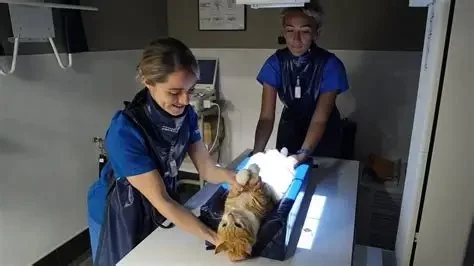
Supporting every vet is a dedicated team of veterinary technicians and nurses. These pros take care of everything from drawing blood and placing IVs to monitoring anesthesia and assisting in surgery.
The role requires certification and strong technical skills, yet also demands compassion—techs often comfort pet owners during stressful visits. Many vets credit their techs as the backbone of clinical success.

3. Animal Rehab, Nutrition, and Behavior Experts
Rehabilitation therapists help injured animals recover mobility through massage, hydrotherapy, and physical exercises—often working in multi-disciplinary clinics.
Similarly, vet nutritionists develop therapeutic diets, and animal behaviorists tackle issues like anxiety, aggression, and enrichment. These roles go beyond treatment to improve long-term welfare and quality of life.
4. Public Health, Research, and Regulatory Roles
Not all veterinary careers involve clinics. Public health vets may work at CDC or USDA, monitoring zoonotic diseases or overseeing food safety.
Researchers in academia or pharmaceuticals develop vaccines and study disease patterns. Regulatory veterinarians inspect farms, labs, and food processing plants to ensure animal and public safety.
5. Unique Paths: Wildlife, Conservation, and Aquatic Medicine
Wildlife vets often work in remote areas, treating injured wildlife or tracking disease in endangered species. Conservation projects may pair vets with ecologists in the field.
Aquatic veterinarians focus on fish, marine mammals, and reptiles—working in aquariums, zoos, or aquatic farms. Their jobs combine biology, veterinary medicine, and habitat conservation.
6. Case Story: Emma’s Journey from Tech to Specialist
Emma started as a vet tech in a busy urban clinic. After years assisting in orthopedic surgeries, she returned to school to pursue veterinary acupuncture and pain management. Today she balances clinical practice with home visits, offering targeted pain relief for aging pets.
Her story illustrates the wide possibilities within the veterinary field and the importance of following both skill and passion.
7. Enhance Your Career with Tools from Hidden Brook Veterinary
Whether you're a tech upgrading surgical instruments or a vet specializing in oncology equipment, having high-quality tools matters. Hidden Brook Veterinary offers vet‑grade stethoscopes, surgical repair kits, diagnostic scopes, and continuing education materials.
If you’re exploring what are the different jobs in veterinary field, invest in tools and training that match your chosen path. Visit Hidden Brook Veterinary to find professional-grade equipment and resources to elevate your career in animal health.








