
- why-pet-vaccinations-are-crucial-for-health
- dog-vaccination-schedule-from-puppy-to-senior
- cat-vaccine-guide-essential-shots-and-timing
- real-pet-owner-stories-and-vet-perspectives
- how-to-stay-on-track-with-vaccinations
- where-to-get-reliable-pet-vaccination-care
1. Why Pet Vaccinations Are Crucial for Health
1.1 The Role of Vaccines in Disease Prevention
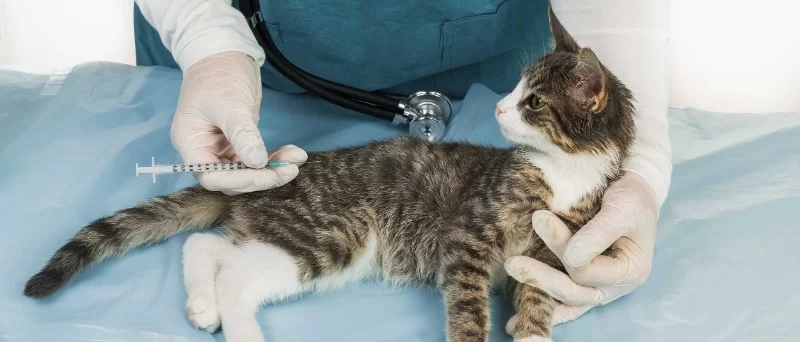
Vaccinations are one of the most effective tools in preventive veterinary medicine. They protect pets from life-threatening diseases such as rabies, parvovirus, distemper, and feline leukemia. Vaccines also contribute to community-wide immunity, keeping not only your pet safe but other animals as well.

1.2 Risks of Skipping or Delaying Vaccines
Delaying core vaccinations can leave your pet vulnerable during their most sensitive growth periods. For instance, a puppy unvaccinated against parvo may face severe illness after a routine walk. These risks are entirely preventable with a consistent, vet-approved pet vaccination schedule.
2. Dog Vaccination Schedule from Puppy to Senior
2.1 Puppy Vaccinations (6–16 Weeks)
Puppies need a series of shots beginning around 6 to 8 weeks. This typically includes distemper, adenovirus, parvovirus, and sometimes bordetella. Boosters are administered every 3–4 weeks until about 16 weeks of age.
2.2 Adult Dogs (1–7 Years)
Adult dogs require booster shots annually or triennially depending on vaccine type. Rabies is legally required in most U.S. states. Other vaccines like leptospirosis or canine influenza may be recommended based on lifestyle.
2.3 Senior Dogs (7+ Years)
For senior pets, your veterinarian may adjust the vaccine schedule based on health history and immune status. Some older dogs may receive less frequent boosters if titers show sufficient immunity.
3. Cat Vaccine Guide: Essential Shots and Timing
3.1 Kitten Immunization Plan
Kittens begin vaccinations between 6–8 weeks with core vaccines like FVRCP (feline viral rhinotracheitis, calicivirus, panleukopenia). Rabies is administered around 12–16 weeks, depending on local laws.
3.2 Adult Cat Maintenance
Indoor cats may need fewer non-core vaccines, but FVRCP and rabies remain essential. Outdoor or multi-cat households may require FeLV (feline leukemia virus) shots and regular checkups.
3.3 Special Cases: Rescue and Feral Cats
Cats adopted from shelters or rescues often need an updated vaccine series. A visit to a trusted clinic like Hidden Brook Veterinary ensures they receive tailored, up-to-date protection.
4. Real Pet Owner Stories and Vet Perspectives
4.1 Bella’s Close Call with Parvo
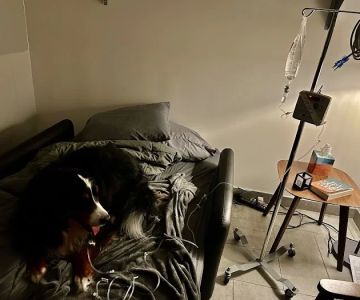
Bella, a 10-week-old Lab, was brought into a Texas emergency clinic after vomiting and lethargy. Her owners hadn’t completed her vaccine series. Luckily, swift intervention saved her—but the vet emphasized how easily this could’ve been avoided.
4.2 Vet-Approved Protocols from Hidden Brook Veterinary
According to Dr. Marin of Hidden Brook Veterinary, "Most vaccine-preventable diseases we see are in pets with lapsed schedules. Consistency is the best form of protection." The clinic uses digital reminders and personalized vaccine timelines for every pet.
5. How to Stay on Track with Vaccinations
5.1 Use a Digital Health Log
Track your pet’s vaccinations using apps or vet portals that send reminders when shots are due. It’s easy to overlook a booster without proper organization.
5.2 Know the Core vs. Lifestyle Vaccines
Core vaccines are essential for all pets, while lifestyle vaccines depend on factors like travel, boarding, or exposure to wildlife. A veterinary professional can help build a schedule that fits your pet's needs.
5.3 Regular Vet Checkups
Annual wellness exams aren’t just about vaccines—they allow vets to monitor health changes and update recommendations based on age and lifestyle.
6. Where to Get Reliable Pet Vaccination Care
6.1 Trusted Veterinary Partners
Choosing a clinic that prioritizes tailored care is essential. At Hidden Brook Veterinary, personalized plans, transparent vaccine protocols, and compassionate staff ensure your pet gets the right protection at the right time.
6.2 Affordable and Effective Options
Vaccines don’t have to be expensive to be effective. Ask about combination vaccines or wellness plans that include immunizations, exams, and preventative treatments bundled for value and convenience.








