
Veterinary Surgery for Pets: Procedures & Recovery Tips in 2025
Whether your dog needs a torn knee repaired or your cat is scheduled for a dental, understanding veterinary surgery for pets helps you make confident decisions. This 2025 guide explains common procedures and gives recovery tips that real families use. You’ll also find small, practical details—like how to keep an e-collar on a Houdini-level escape artist, or why a quiet, comfy den speeds healing. If you want a personalized plan or second opinion, the team at Hidden Brook Veterinary can walk you through options and post-op care tailored to your pet.
To help search engines and readers alike, we’ll naturally weave in the key topic—Veterinary Surgery for Pets: Common Procedures and Recovery Tips in 2025—while keeping the tone friendly, specific, and useful.
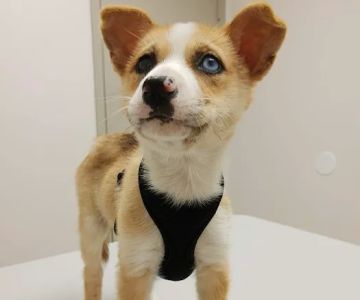
Pre-Op Checklist and Safety
1) Health screening that actually protects your pet
Pre-anesthetic bloodwork, a recent physical exam, and sometimes chest X-rays or an echocardiogram are not upsells—they reduce anesthesia risk and guide drug choices. Senior pets or brachycephalic breeds (e.g., French Bulldogs) benefit from extra airway planning.
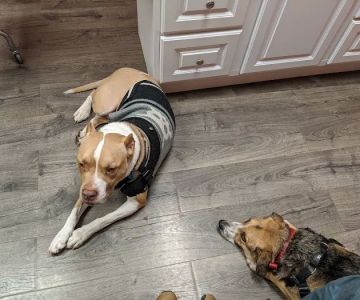
2) The night before: fasting and medications
Most dogs and cats fast from food for 8–12 hours; water is often allowed until a few hours pre-op unless your veterinarian says otherwise. Never give human pain medicine unless your vet prescribes it—several are toxic to pets.
3) Day-of drop-off: what to expect
Your pet receives a tailored sedation plan, an IV catheter for fluids, and continuous monitoring (ECG, blood pressure, oxygen). Many 2025 clinics also use warming blankets and CO₂ monitoring during even “simple” procedures because warmth and oxygenation speed recovery. If you’re unsure, ask about the monitoring checklist—Hidden Brook Veterinary can share theirs so you know exactly what’s happening.
Common Procedures in Dogs
Cruciate ligament repair (TPLO/TTA)
When the cranial cruciate ligament (like the human ACL) tears, the knee becomes unstable and painful. Procedures such as TPLO or TTA change knee mechanics to restore stability. Typical activity restriction runs 8–12 weeks with staged increases in leash walks.
Mass removal and biopsy
Lumps are common. The gold standard is to sample first (fine-needle aspirate). If removal is recommended, your vet aims for clean margins and sends tissue to a pathologist. This informs whether additional therapy is needed.
Dental surgery and extractions
Periodontal disease is painful and affects organs. Full-mouth radiographs find hidden root problems, and nerve blocks reduce anesthesia doses. Pets typically eat soft food the same evening and feel better within days.
Brachycephalic airway surgery
Breeds with short noses may benefit from nostril widening and palate trimming to improve airflow. In 2025, many clinics use advanced airway monitoring and recovery positioning to keep these patients comfortable.
Common Procedures in Cats
Spay/neuter, hernia repair, and mass removal
Modern protocols emphasize gentle handling, heat support, and long-acting pain relief for cats. Dissolvable sutures and skin glue often mean no suture removal visit.
Foreign body removal
String and hair ties are frequent culprits. Timing matters: prompt surgery improves outcomes. Aftercare focuses on hydration, gut rest, and slow diet reintroduction.
Dental disease management
Resorptive lesions are unique to cats and very painful. Dental X-rays guide extractions and speed recovery. Expect a soft-food plan and a recheck in 7–14 days.
Anesthesia and Pain Management
Personalized protocols (2025 standard of care)
Balanced anesthesia uses multiple small-dose medications instead of one heavy hitter. That means smoother induction, stable blood pressure, and a faster, less groggy wake-up.
Multimodal pain control
Local nerve blocks, anti-inflammatories, opioids when appropriate, and adjuncts like gabapentin reduce pain while minimizing side effects. Some clinics add laser therapy or cryotherapy in the first 48 hours.
At-home comfort plan
Plan a quiet, draft-free recovery space; use non-slip rugs; and set reminders for medications. If you need a simple, printed schedule, Hidden Brook Veterinary can provide one customized to your pet’s dosing times.
Recovery Timeline: Week by Week
Days 0–3: protect the incision
Expect mild grogginess. Keep the e-collar on 24/7, even at night. Short, leashed potty breaks only. A small appetite dip can be normal the first evening.
Days 4–14: controlled movement
Incision should be dry and closed—no redness spreading, no discharge, no odor. Increase 5-minute leash walks to 3–4 times daily. No running, stairs, or furniture jumps.
Weeks 3–6: rebuild strength
Introduce leash-assisted figure-8s, sit-to-stand drills, and slow inclines if your vet approves. Hydrotherapy or underwater treadmill can start after wound closure for orthopedic cases.
Weeks 7–12: gradual return to normal
For orthopedic surgeries, vets often clear controlled off-leash time in fenced yards near week 10–12. Recheck X-rays may confirm bone healing after procedures like TPLO.
Nutrition, Mobility, and Wound Care
Feeding that supports healing
Small, frequent meals are easier post-anesthesia. Protein-rich, highly digestible diets support tissue repair. Ask about joint supplements (e.g., omega-3s) for orthopedic cases.
Safe home modifications
Use ramps, block stairs, and add area rugs. A crate or playpen creates a calm “healing zone.” Recovery suits can be alternatives to cones for calm pets.
Incision basics
Keep it dry (no baths until cleared), prevent licking, and check twice daily under good light. A tiny, firm line is normal; swelling, heat, or gapping is not.
Costs and Insurance in 2025
Typical U.S. price ranges (will vary by region and case)
Spay/neuter: $150–$800; dental with extractions: $400–$1,200; mass removal: $300–$1,000; TPLO: $3,500–$6,000. Estimates depend on size, complexity, diagnostics, and aftercare. Written treatment plans make costs predictable—Hidden Brook Veterinary can break down line items before you decide.
Insurance and payment options
Most pet insurance reimburses for non-pre-existing surgical issues after deductibles. Ask your clinic for claim-friendly invoices with diagnosis codes and op notes attached.
When to Call Your Veterinarian
Warning signs that are never “wait and see”
Continuous vomiting, severe lethargy, uncontrolled pain (crying, hiding, panting), bleeding or foul discharge from the incision, pale gums, or labored breathing. If any appear, contact your vet immediately or head to emergency care.
Real Stories and What They Teach
Case 1: “Daisy,” a 6-year-old Lab with a cruciate tear
Daisy’s family kept a daily log, used a belly sling for stairs, and scheduled brief, frequent leash walks. At week 8, X-rays showed solid progress, and she earned backyard freedom. The takeaway: consistent, boring routines beat weekend heroics.
Case 2: “Whiskers,” a 4-year-old cat after foreign-body surgery
Whiskers refused the cone, so the family used a recovery suit and fed warmed, watered-down food. A puzzle feeder reduced post-op zoomies. The takeaway: behavior-friendly tweaks keep incisions safe.
If you want this kind of step-by-step plan, Hidden Brook Veterinary can tailor crate sizing, rehab milestones, and diet choices to your pet and home layout.
FAQ
How much activity is okay the first week?
Only leashed potty breaks unless your veterinarian says otherwise. Even “just one zoomie” can pop sutures.
Can I sleep with my pet on the bed?
Not during the first two weeks—jumps and twists happen fast at night. Set up a floor-level sleeping area nearby instead.
Do pets really need the cone?
Yes. Licking introduces bacteria and can reopen wounds. If the cone causes distress, ask about inflatable collars or recovery suits.
When will my pet eat normally again?
Many eat a half meal the first night and are fully back to normal within 24–48 hours. Call your vet if appetite is poor beyond that or if vomiting occurs.
Final note
This guide is educational and not a substitute for an in-person veterinary exam. For customized recommendations, surgery second opinions, or a written recovery calendar, reach out to Hidden Brook Veterinary for guidance aligned with your pet’s age, breed, and lifestyle.








