- why-monitoring-your-pets-vital-signs-matters
- tech-tools-that-track-vital-signs-at-home
- combining-technology-with-natural-remedies
- how-to-use-data-to-improve-your-pets-health
- when-to-consult-a-veterinary-expert
1. Why Monitoring Your Pet’s Vital Signs Matters
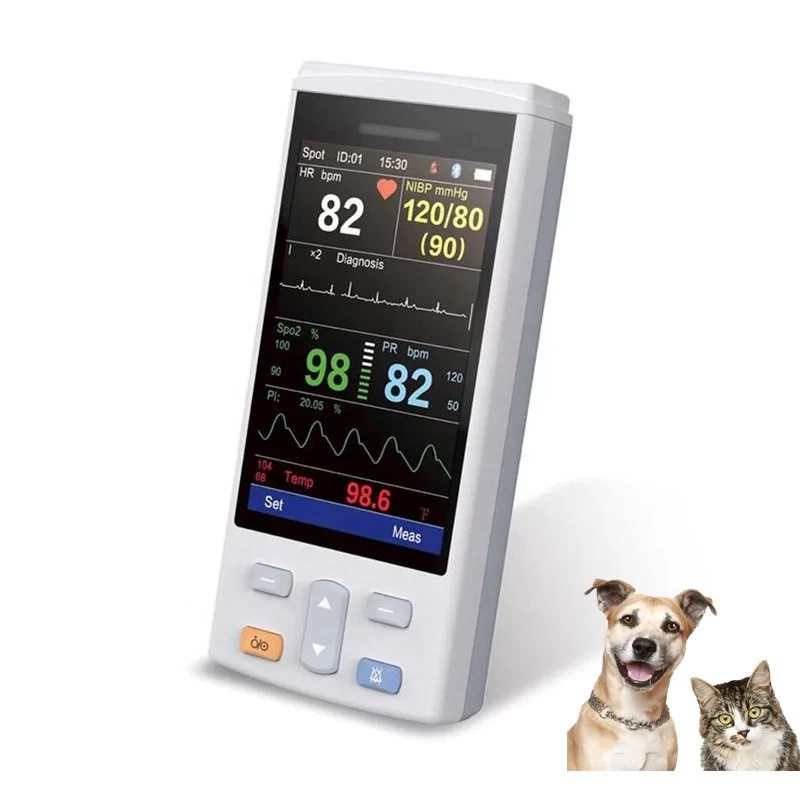
Pet owners today are more empowered than ever. With the right tools, you can now track your pet’s health in real time—from the comfort of your home. Monitoring your pet’s vital signs like heart rate, respiration, temperature, and activity levels helps detect early signs of illness, stress, or behavioral changes. Whether you're caring for an aging dog or keeping tabs on a curious kitten, staying in tune with their health is key to early intervention.
Take for example, Sophie—a 12-year-old beagle whose owner noticed subtle changes in her resting heart rate. Using a wearable pet monitor, she caught early signs of a heart condition. Thanks to prompt action and expert guidance from Hidden Brook Veterinary, Sophie received the care she needed before symptoms escalated.

10645 N Tatum Blvd ste 200 454, Phoenix, AZ 85028, USA
See Details2. Tech Tools That Track Vital Signs at Home
2.1 Wearable Monitors and Smart Collars
Modern pet wearables are more than fitness trackers. Devices like smart collars and pet monitors can measure heart rate variability, detect temperature fluctuations, and even monitor sleep patterns. These insights are invaluable, especially for pets recovering from surgery or suffering from chronic illnesses.

2.2 Pet Health Apps and Cloud Dashboards
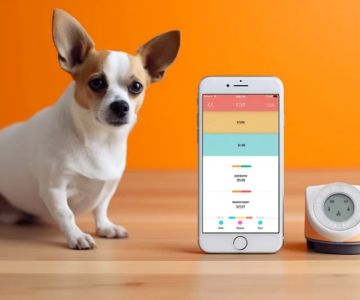
Many pet health devices come with companion apps that sync data to your phone or computer. These dashboards help track long-term health trends and alert you to sudden changes. Some apps even allow you to share reports directly with your vet—making virtual consultations more effective.
2.3 Smart Thermometers and At-Home ECGs
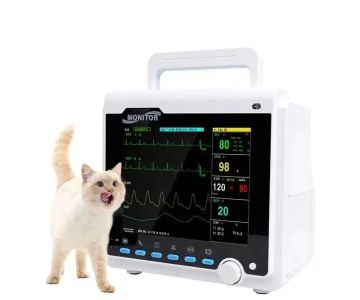
For those with senior pets or animals prone to illness, smart thermometers and portable ECG devices can provide fast and accurate diagnostics at home. When paired with natural remedies and ongoing care, this level of insight can significantly improve outcomes.
3. Combining Technology with Natural Remedies
3.1 Monitoring Stress Levels to Guide Natural Therapies
If your pet’s device indicates elevated heart rates during thunderstorms or visitors, it might be time to consider calming natural remedies. Herbal supplements like chamomile or valerian root, and pheromone diffusers, can reduce anxiety when used in tandem with data-backed stress identification.
3.2 Real Case: Max the Anxious Lab
Max, a five-year-old Labrador, showed spikes in heart rate and pacing during car rides. His owner used data from a wearable monitor to identify patterns and consulted Hidden Brook Veterinary for a natural treatment plan. With CBD treats and a calming collar, Max’s travel anxiety drastically reduced—validated through measurable physiological improvements.
3.3 Enhancing Pain Management for Aging Pets
Natural anti-inflammatories like turmeric and omega-3 supplements are increasingly popular for managing joint pain. By tracking your pet’s activity levels and mobility through technology, you can adjust dosages more effectively and respond faster when something changes.
4. How to Use Data to Improve Your Pet’s Health
4.1 Establishing Baselines and Recognizing Deviations
Healthy pets have unique “normal” ranges for their vital signs. By monitoring these consistently, you can establish a baseline that helps you notice when something is off—long before symptoms become visible.
4.2 Building a Personalized Care Plan
Data from home monitoring can help you and your vet develop personalized plans tailored to your pet’s specific needs. Whether it’s managing feline asthma or canine arthritis, combining natural therapies with digital tracking ensures more effective treatment.
4.3 Integrating Natural Remedies into a Routine
Natural solutions work best when administered consistently and with purpose. Use your pet’s behavior and health data to time supplements, schedule exercise, and set relaxation routines. It’s a modern, holistic approach that prioritizes prevention over crisis management.
5. When to Consult a Veterinary Expert
5.1 Red Flags That Require Immediate Attention
While home technology provides incredible insights, it’s not a substitute for professional care. Sudden temperature spikes, erratic heart rhythms, or dramatic drops in activity should always prompt a visit to your veterinarian.
5.2 Interpreting Complex Data with Expert Help
If you're unsure what the data means—or how to act on it—contact the team at Hidden Brook Veterinary. Our experts can review your pet's tracking history and help you understand what’s normal, what’s concerning, and what steps to take next.
5.3 Creating a Hybrid Health Strategy
Your pet’s wellness thrives on collaboration between you, your vet, and smart tech. By using tools at home and working with professionals, you can create a hybrid care strategy that blends convenience, natural wellness, and medical science for truly modern pet parenting.