Using Health Dashboards to Catch Early Signs of Pet Illness Explained Simply
- 1- Understanding Pet Health Dashboards
- 2- How Health Dashboards Work for Pets
- 3- Early Detection of Pet Illness Using Health Dashboards
- 4- Benefits of Using Health Dashboards for Pets
- 5- Choosing the Right Health Dashboard for Your Pet
1. Understanding Pet Health Dashboards
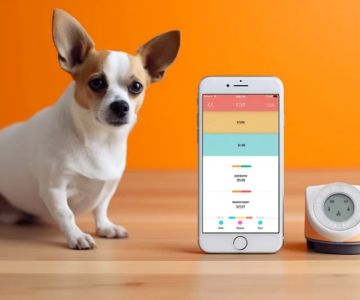
Pet health dashboards are digital tools designed to track and monitor the health of your pet in real time. These systems compile data from wearable devices, veterinary visits, and daily activities to give you a comprehensive view of your pet’s health. Think of them as the "fitbit" for your pet, but with much more detailed insights into their well-being.
These health dashboards allow pet owners to keep track of various health metrics such as heart rate, activity levels, sleep patterns, and more. They provide a centralized place to access important health data, helping you stay on top of any potential issues with your pet’s health.
2. How Health Dashboards Work for Pets
Health dashboards work by collecting data from wearable devices, sensors, and other health-tracking gadgets that are attached to your pet. These devices monitor key health indicators, including:

2.1. Activity Levels
Wearables track how much physical activity your pet gets throughout the day, which can help identify any changes in their energy levels. A sudden decrease in activity could indicate a potential health issue such as pain or lethargy.

2.2. Heart Rate and Respiratory Rate
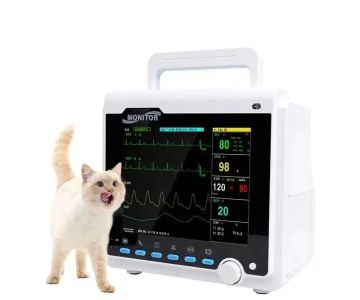
Monitoring heart and respiratory rates provides insight into your pet’s cardiovascular and overall health. Abnormalities in these rates could be early signs of health problems, such as heart disease or respiratory issues.
2.3. Sleep Patterns
Pets that are stressed or unwell often have disrupted sleep patterns. Monitoring your pet’s sleep can help you detect if they are not resting as usual, which could indicate an underlying problem.
3. Early Detection of Pet Illness Using Health Dashboards
Early detection is one of the most significant advantages of using health dashboards for pets. By regularly tracking health metrics, you can catch warning signs of illness before they become serious. Here are some ways health dashboards assist in early detection:
3.1. Identifying Changes in Behavior
Health dashboards can track changes in your pet’s behavior, such as an increase in restlessness, lethargy, or difficulty moving. These behavioral changes can be early signs of pain or discomfort, often related to conditions such as arthritis, infections, or injury.
3.2. Monitoring Chronic Conditions
For pets with pre-existing conditions, health dashboards provide a useful way to monitor their health over time. For example, a pet with heart disease may need regular monitoring of heart rate and activity levels, allowing for timely interventions if the condition worsens.
3.3. Identifying Stress or Anxiety
Stress and anxiety are common in pets, but they often go unnoticed until they manifest as physical symptoms. Wearable health trackers can monitor changes in your pet’s behavior, helping you identify stress early and take appropriate action, such as adjusting their environment or seeking behavioral therapy.
4. Benefits of Using Health Dashboards for Pets
Using a health dashboard for your pet provides several benefits, including:
4.1. Peace of Mind
One of the biggest benefits is peace of mind. Knowing that you have real-time access to your pet’s health data allows you to address any issues immediately and avoid potentially serious health problems down the line.
4.2. Easy Access to Health Data
Health dashboards make it easier to monitor your pet’s health over time. You can access all of your pet’s health data in one place, which simplifies tracking trends and discussing your pet’s health with your veterinarian.
4.3. Preventive Care
By identifying health issues early, health dashboards help you take a preventive approach to your pet’s care. Timely intervention can prevent conditions from worsening, improving your pet’s quality of life and reducing overall healthcare costs.
5. Choosing the Right Health Dashboard for Your Pet
When selecting a health dashboard for your pet, consider the following factors:
5.1. Features and Functionality
Look for a health dashboard that offers the features that are most important for your pet’s specific health needs. Some systems track only basic activity levels, while others monitor heart rate, sleep patterns, and more. Choose a system that aligns with your pet’s health requirements.
5.2. Compatibility with Devices
Ensure that the health dashboard is compatible with your pet’s wearable devices. Many dashboards integrate with popular pet trackers, allowing for seamless tracking and easy access to data.
5.3. Ease of Use
Choose a dashboard that is user-friendly and easy to navigate. You should be able to view your pet’s data, set alerts, and track trends without difficulty.
If you’re interested in using a health dashboard to monitor your pet’s health, visit Hidden Brook Veterinary to explore the best devices and services available to help you detect early signs of illness in your pet.