Understanding Separation Anxiety in Dogs and How to Treat It With Natural Remedies
Separation anxiety is one of the most common behavioral issues faced by dog owners. It occurs when dogs experience stress, panic, and fear when left alone or separated from their primary caregivers. This anxiety can lead to destructive behaviors such as excessive barking, chewing, and even accidents inside the house. Fortunately, there are various natural remedies to treat separation anxiety in dogs. In this article, we'll delve into the causes of separation anxiety and explore effective natural treatments that can help alleviate your dog’s distress.

1. What is Separation Anxiety in Dogs?
Separation anxiety in dogs is a condition where a dog becomes overly attached to its owner and cannot cope with being left alone. The anxiety experienced can vary in severity, ranging from mild stress to extreme panic. Some common signs of separation anxiety include:
- Excessive barking or howling when left alone
- Destructive behavior, such as chewing furniture or scratching doors
- Accidents inside the house, even if the dog is housetrained
- Pacing or restlessness when the owner prepares to leave
- Drooling or excessive salivation
This condition can be triggered by various factors, such as changes in routine, recent rehoming, or traumatic experiences, and it typically requires a combination of behavioral modifications and treatments.
2. The Causes of Separation Anxiety in Dogs
Understanding the root causes of separation anxiety is essential to treating it effectively. The condition can stem from different factors, such as:
- Previous traumatic experiences: Dogs that have experienced abandonment, abuse, or frequent changes in ownership are more likely to develop separation anxiety.
- Lack of socialization: Puppies that have not been properly socialized or left alone for extended periods during their formative years may develop anxiety when faced with isolation.
- Environmental changes: Moving to a new home or introducing a new member into the family can be stressful for dogs, triggering anxiety.
- Changes in routine: Dogs thrive on routine, and any abrupt changes, like new work schedules or travel, can increase stress levels.
While separation anxiety can be frustrating for both dogs and their owners, understanding the underlying causes allows for more targeted and effective treatment strategies.
3. Natural Remedies for Treating Separation Anxiety in Dogs
There are several natural remedies and techniques that can help reduce the symptoms of separation anxiety in dogs. These methods focus on calming your dog without the use of medications, offering a more holistic approach to treatment.
3.1: Creating a Calm and Comfortable Environment
The first step in addressing separation anxiety is to ensure that your dog’s environment is calm and comfortable when left alone. Here are some ways to help:
- Designate a safe space: Create a designated area in your home where your dog feels secure. This could be a crate or a cozy corner with their favorite blanket or toys.
- Soothing music: Playing calming music or leaving the TV on can help mask external noises and provide comfort when you're not home.
- Comfort items: Leave behind a piece of your clothing or a familiar scent to provide reassurance while you’re away.
3.2: Using Natural Supplements
Natural supplements are another great option to help reduce anxiety in dogs. Some popular supplements that can promote relaxation include:
- CBD oil: Cannabidiol (CBD) oil has been shown to have calming effects on dogs and can help with anxiety-related symptoms. Always consult your vet before using CBD for your pet.
- Valerian root: Valerian root is known for its calming properties and can help ease nervousness in dogs. This supplement can be given as a treat or mixed with their food.
- Lavender: Lavender essential oil, when diffused or applied topically (in a diluted form), has calming properties and can help alleviate anxiety.
3.3: Behavioral Training Techniques
Behavioral modification is one of the most effective ways to treat separation anxiety in dogs. Some techniques include:
- Gradual desensitization: Slowly get your dog used to being alone by starting with short periods of separation and gradually increasing the time.
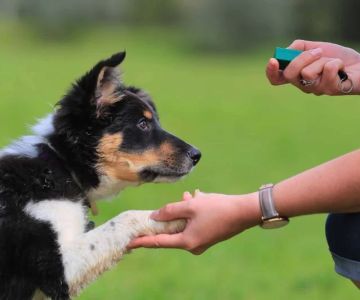
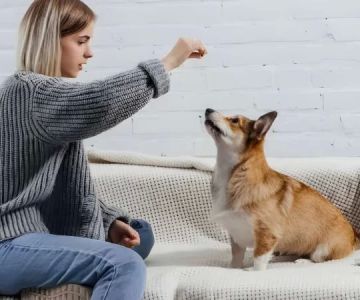
- Positive reinforcement: Reward your dog for calm behavior when you leave and return, helping them associate your absence with positive experiences.
- Counter-conditioning: Teach your dog that your departure is not a negative event by associating your absence with a positive reward, like a tasty treat or interactive toy.
3.4: Regular Exercise and Mental Stimulation
Regular physical exercise and mental stimulation are essential for reducing anxiety in dogs. A tired dog is less likely to engage in destructive behaviors when left alone. Some ways to keep your dog mentally and physically stimulated include:
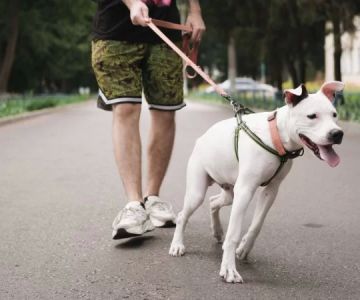
- Daily walks and playtime: Ensure your dog gets plenty of exercise before you leave the house. A long walk or an active play session can tire them out and make them more relaxed during your absence.
- Interactive toys: Puzzle toys or treat-dispensing toys can keep your dog entertained and mentally engaged while you're gone.
4. When to Seek Professional Help
While natural remedies and training techniques can work wonders for many dogs, severe cases of separation anxiety may require professional intervention. If your dog’s anxiety persists despite your best efforts, it’s important to consult a veterinarian or a certified animal behaviorist. In some cases, behavioral therapy or medication may be necessary to help your pet cope.
5. Real-Life Case Study: How Natural Remedies Helped Bella Overcome Separation Anxiety
Bella, a 4-year-old Border Collie, had severe separation anxiety after her owner, Sarah, moved to a new city. Bella would bark uncontrollably, chew furniture, and have accidents in the house whenever Sarah left for work. Sarah turned to natural remedies after traditional training methods didn’t help.
By using a combination of calming supplements, soothing music, and gradual desensitization techniques, Bella’s anxiety improved over time. Sarah also provided Bella with interactive toys and ensured she got enough exercise before leaving. Within a few weeks, Bella began to feel more comfortable being alone, and the destructive behaviors decreased significantly.
This success story highlights the effectiveness of using natural remedies and a personalized approach to treating separation anxiety in dogs.