
- 1-veterinary-spinal-manipulative-therapy-overview
- 2-common-patient-responses-immediately-following-therapy
- 3-causes-of-blankness-after-spinal-manipulation-in-animals
- 4-safety-and-management-during-post-therapy-recovery
- 5-expert-insights-and-advice-for-owners
1. Veterinary Spinal Manipulative Therapy Overview
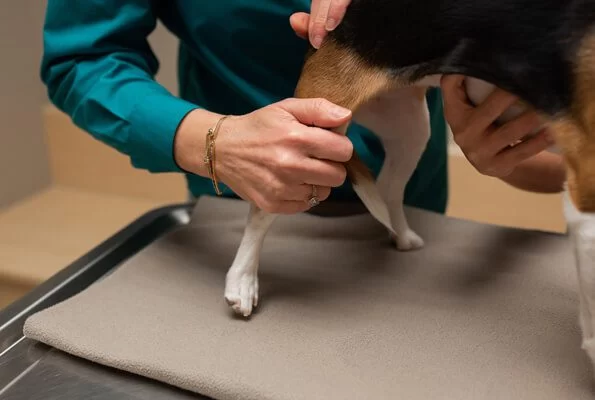
Veterinary spinal manipulative therapy is a specialized form of chiropractic care aimed at improving mobility and reducing pain in animals. This therapy involves manual adjustments of the spine to correct misalignments and improve nervous system function. Commonly applied to dogs, horses, and other animals, it has shown benefits in enhancing overall well-being and performance.
2. Common Patient Responses Immediately Following Therapy
It is not unusual for a patient to exhibit unusual behaviors immediately after therapy. A patient is blank immediately following veterinary spinal manipulative therapy is one such response observed in some animals. This blank or vacant stare may be a temporary reaction as the nervous system processes the adjustments. Similar to how humans might feel lightheaded or spaced out post-treatment, animals too may demonstrate brief moments of altered awareness.

3. Causes of Blankness After Spinal Manipulation in Animals
The blankness seen post-therapy can stem from several factors. The spinal adjustment may temporarily affect neural signaling, leading to transient disorientation. Additionally, the animal’s stress response to manual manipulation or underlying health issues can contribute. For example, a Labrador named Max showed a blank expression for a few minutes post-treatment, which resolved naturally with rest and hydration.
4. Safety and Management During Post-Therapy Recovery
While a brief blank state is generally harmless, monitoring is essential. Ensuring the animal rests in a calm environment and avoids strenuous activity post-therapy helps recovery. Veterinary professionals recommend gentle observation and gradual reintroduction to normal activities. Should blankness persist or other symptoms arise, immediate veterinary consultation is advised to rule out complications.
5. Expert Insights and Advice for Owners
Understanding what to expect can ease owner concerns when a patient is blank immediately following veterinary spinal manipulative therapy. Experienced veterinary chiropractors stress that this response is often a normal part of the healing process. They advise owners to maintain clear communication with their veterinary care team and to seek guidance on post-treatment care. For those interested in exploring therapeutic options or veterinary spinal manipulative therapy products, visiting Fred Miller Lawyer offers reliable connections to trusted services and expert advice.








