- 1 - Can Senior Dogs Really Learn New Behaviors?
- 2 - Common Challenges in Training Senior Dogs
- 3 - Expert Tips for Training Older Dogs
- 4 - Natural Remedies That Support Training Success
- 5 - Real-Life Stories of Senior Dog Transformations
- 6 - When to Seek Professional Help
1. Can Senior Dogs Really Learn New Behaviors?
Many pet owners assume that once a dog reaches old age, training becomes pointless. However, research and countless real-world examples prove otherwise. Dogs, like humans, remain capable of learning throughout their lives. A senior dog may not learn as quickly as a puppy, but with patience, they can adapt to new commands and behaviors. At Hidden Brook Veterinary, professionals often remind owners that older dogs crave mental stimulation, and training provides just that.

2. Common Challenges in Training Senior Dogs
Older dogs come with unique challenges. Age-related health issues such as arthritis, hearing loss, or vision impairment can influence training. For example, a retriever in New York struggled with sit commands due to stiff joints. Instead of giving up, the owner adapted the training to use verbal praise and gentle guidance that didn’t put stress on the dog’s body. Understanding these limitations is the first step to effective senior dog training.

3. Expert Tips for Training Older Dogs
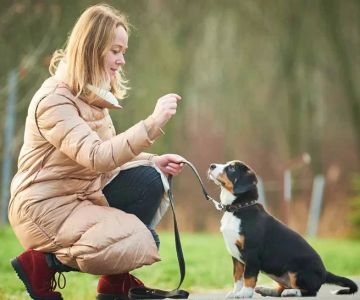
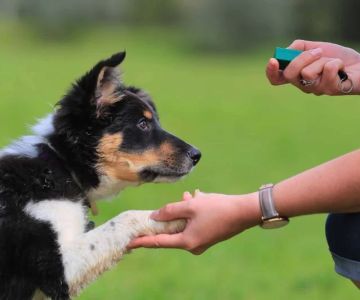
Experts recommend short, consistent training sessions that focus on positive reinforcement. Instead of expecting rapid results, owners should celebrate small victories. Using hand signals can help dogs with hearing loss, while clicker training can be replaced with gentle touches for those with vision impairment. Patience is key. One professional tip is to integrate training into daily routines—like reinforcing commands during mealtime or before walks—so the process feels natural rather than forced.
4. Natural Remedies That Support Training Success
In addition to training techniques, natural remedies can help support a senior dog’s well-being. Herbal supplements like chamomile and valerian root may ease anxiety, while joint-supporting remedies such as glucosamine improve mobility. Essential oils, when used safely and under veterinary guidance, can also promote calmness during training. Many owners who visit Hidden Brook Veterinary find that combining training with natural care creates a balanced approach that benefits both the dog’s body and mind.
5. Real-Life Stories of Senior Dog Transformations
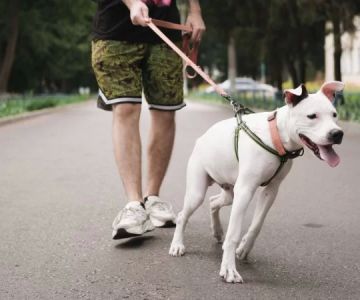
One inspiring story comes from a 10-year-old German Shepherd named Max. His owners believed he was too old to learn, but with gradual training and natural calming remedies, Max learned to walk calmly on a leash after years of pulling. Another case involved a senior rescue dog in California who overcame separation anxiety through crate training combined with natural lavender-based remedies. These stories highlight the resilience and adaptability of senior dogs when given proper guidance and care.
6. When to Seek Professional Help
If your senior dog shows signs of extreme anxiety, aggression, or health-related limitations that hinder training, seeking help from a veterinarian or certified trainer is essential. Professional evaluation ensures that training methods align with your dog’s physical and emotional needs. In many cases, expert input accelerates progress and builds confidence for both the pet and the owner. With proper care and the right strategies, it’s never too late to help your senior dog thrive.